Best Paint for Cedar Siding in Portland: A PNW Homeowner Guide
KEY FEATURES
- Cedar-specific paint system guidance
Explains why cedar siding needs stain-blocking primer, flexible coatings and moisture-conscious prep. - Portland climate relevance
Connects cedar siding performance to rain, humidity, moss, mildew, shade and UV exposure in the Pacific Northwest. - Strong conversion pathway
Guides homeowners from product research to inspection, estimate requests and Lightmen Painting’s exterior painting service page.
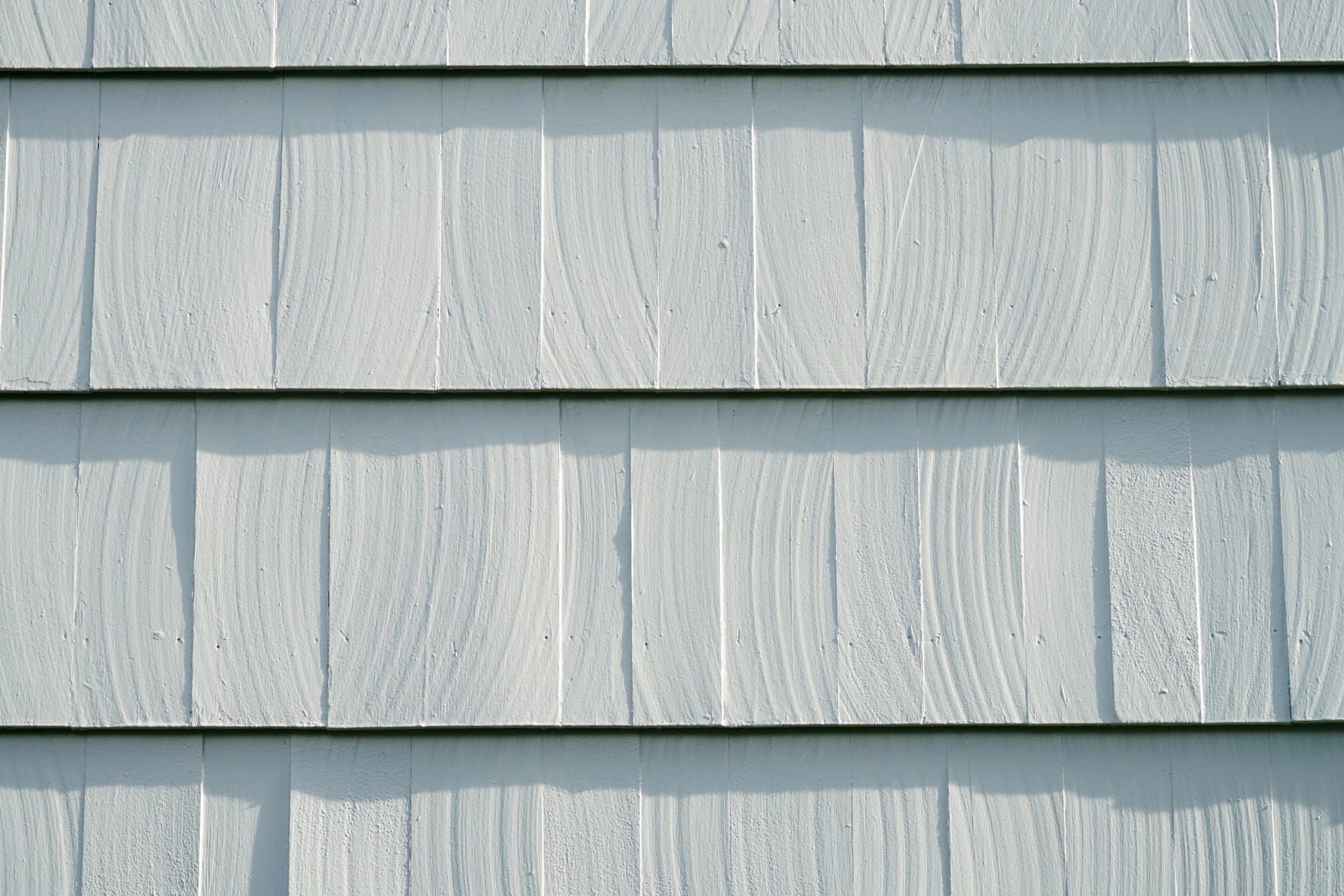
Cedar siding is beautiful, durable and extremely common on Portland homes. You see it on older Craftsman houses, Northwest-style homes, bungalows, custom builds and plenty of properties tucked under trees where the house looks like it belongs in the landscape.
But cedar siding is also picky.
The best paint for cedar siding Portland homeowners can use is not just “good exterior paint.” Cedar needs a complete paint system built around moisture control, tannin blocking, flexible coatings and proper prep. If the wrong primer or paint is used, cedar can stain, peel, blister or fail way earlier than it should.
And in Portland’s wet climate, shortcuts get exposed fast.Rain, shade, humidity, moss, mildew and seasonal wood movement all work against exterior paint. Cedar siding absorbs moisture, expands and contracts, releases natural tannins and punishes lazy prep like it has a personal grudge.
This guide breaks down what makes cedar siding different, which paint systems work best in Portland, why primer matters so much and how to get the longest life from a cedar siding paint job.
Why does cedar siding need special paint in Portland?
Cedar siding needs special paint in Portland because cedar absorbs moisture, expands and contracts, and contains natural tannins that can bleed through paint if the wrong primer or coating system is used.
That is the clean answer.
The field answer is this: cedar is not drywall, fiber cement or vinyl. It is real wood. It moves, breathes, stains, swells, dries and reacts to weather. That means the paint system has to work with the material instead of pretending it is a flat plastic panel.
Portland makes this even more important because homes here deal with:
- frequent rain
- long damp seasons
- shaded siding
- moss and mildew growth
- high humidity
- wet winters
- dry summer UV exposure
- older wood siding conditions
Cedar can perform extremely well when painted correctly. But when it is cleaned poorly, primed wrong or coated with cheap paint, the failure usually shows up in obvious ways.
Peeling. Staining. Blistering. Uneven fading. Discoloration. The whole little horror show.
THINGS TO KNOW
- Cedar siding absorbs moisture more than many other siding types.
- Cedar contains tannins that can bleed through paint without proper primer.
- Acrylic latex exterior paint usually performs well on properly primed cedar.
- Portland’s wet climate makes mildew resistance and prep quality extremely important.
- Paint lifespan depends heavily on exposure, maintenance and surface preparation.
What makes cedar siding different from other siding?
Cedar siding is porous, moisture-sensitive and naturally rich in tannins. That combination makes it beautiful, but it also makes it more demanding than many other siding materials.
Cedar absorbs moisture
Cedar is a porous wood. That means it can absorb water from rain, humidity and damp conditions.
In Portland, cedar siding goes through constant cycles:
- absorbs moisture during rainy weather
- swells slightly as moisture content rises
- dries out when temperatures climb
- contracts as moisture leaves the wood
This repeated movement stresses paint.
If the coating is not flexible enough, it can crack or pull away from the surface. Once that happens, moisture finds the weak spot and starts doing what moisture does best: causing expensive nonsense.
Cedar contains tannins
Cedar naturally contains oils and tannins. Tannins are compounds in the wood that can migrate through paint and create brown, yellow or dark stains on the surface.
This is called tannin bleed.
Tannin bleed usually happens when cedar is painted without the right stain-blocking primer.
It often shows up as:
- brown staining
- yellow discoloration
- dark streaking
- uneven patches
- bleed-through around knots or grain
Once tannin bleed comes through a finish coat, it is annoying to fix. It is much smarter to block it before the paint goes on.
Cedar siding expands and contracts
Wood moves. That is not a defect. That is just wood being wood.
Cedar expands and contracts with changes in moisture and temperature. A paint system for cedar siding has to stay flexible enough to handle that movement.
Rigid, cheap or poorly bonded coatings can fail early because they cannot keep up.
What is the best paint for cedar siding in Portland?
The best paint for cedar siding in Portland is usually a high-quality acrylic latex exterior paint applied over the right stain-blocking primer. The primer handles tannins and adhesion. The acrylic finish coats provide flexibility, moisture resistance and durability.
For most Portland homes, a strong cedar siding paint system looks like this:
| Step | Purpose |
| Controlled exterior washing | Removes dirt, mildew, pollen and loose contaminants |
| Scraping and sanding | Removes failing paint and smooths rough edges |
| Stain-blocking primer | Seals cedar and blocks tannin bleed |
| Exterior caulking | Seals joints, gaps and trim transitions |
| Two finish coats | Builds durable color and weather protection |
| Final inspection | Checks coverage, joints, edges and vulnerable areas |
That system matters more than brand loyalty.
A premium paint product helps, but paint alone does not save bad prep. A good cedar paint job is built in layers.
Is acrylic latex paint good for cedar siding?
Yes. High-quality acrylic latex exterior paint is usually one of the best finish coat options for cedar siding because it stays flexible, bonds well to properly primed wood and handles moisture movement better than many older coating types.
Modern acrylic exterior paints are popular for cedar siding because they offer:
- flexibility
- strong adhesion
- moisture resistance
- mildew resistance
- better color retention
- easier maintenance
- good performance in wet climates
For Portland homes, those qualities matter.
The coating needs to move with the cedar, resist damp conditions and hold up through repeated weather swings.
Acrylic latex exterior paint is not magic, though. It still needs the right prep and primer underneath it.
Do you need primer before painting cedar siding?
Yes. Cedar siding should usually be primed before painting, especially if there is bare wood, stained areas, tannin bleed risk or exposed grain. A stain-blocking primer helps prevent discoloration and improves paint adhesion.
Skipping primer on cedar is one of the fastest ways to create problems.
Primer helps:
- seal porous wood
- block tannins
- improve adhesion
- even out surface absorption
- reduce staining
- create a better base for finish coats
If cedar is bare or weathered, primer is not optional. It is part of the system.
What kind of primer works best on cedar?
A high-quality stain-blocking primer is usually best for cedar siding. In many cases, oil-based or specialized exterior stain-blocking primers are used because they seal tannins more effectively than standard wall primer.
Primer choice depends on:
- bare cedar exposure
- existing coating condition
- tannin staining
- moisture history
- previous paint type
- siding age
- manufacturer recommendations
For cedar, the primer has to do more than help paint stick. It has to block what is inside the wood from bleeding through the finish.
That is where inexperienced painters get themselves in trouble. They treat primer like a polite suggestion. Cedar treats skipped primer like an invitation to ruin your week.
What is tannin bleed on cedar siding?
Tannin bleed is discoloration caused by natural compounds in cedar migrating through primer or paint. It often appears as brown, yellow or dark staining on the painted surface.
Tannin bleed can happen when:
- cedar is painted without primer
- the wrong primer is used
- the wood is damp when painted
- old stains are not sealed properly
- knots or grain areas are not blocked
- moisture pulls tannins through the coating
It can show up soon after painting or gradually over time.
The fix usually involves cleaning, sealing with the right stain-blocking primer and repainting the affected area. But again, prevention beats repair.
Can you use elastomeric paint on cedar siding?
Elastomeric coatings can sometimes be used on problem areas, older siding or specific exterior conditions, but they are not always the default choice for cedar siding. They should be used carefully because cedar needs the right balance of flexibility, moisture management and breathability.
Elastomeric coatings are thicker and more flexible than standard exterior paints. They can bridge tiny cracks and create a strong moisture-resistant film.
Potential benefits include:
- high elasticity
- strong water resistance
- crack-bridging ability
- durability on problem surfaces
But they are not automatically the best choice for every cedar home.
Used incorrectly, thick coatings can trap moisture or create future maintenance headaches. Cedar siding needs a system that protects the wood while allowing the wall assembly to behave properly.
This is where a professional assessment matters. The answer depends on the condition of the siding, previous coatings and exposure.
What paint features matter most for cedar siding in Portland?
For cedar siding in Portland, the most important paint features are flexibility, mildew resistance, adhesion, UV resistance, color retention and compatibility with a stain-blocking primer.
Here is the practical breakdown:
| Paint Feature | Why It Matters for Cedar |
| Flexibility | Helps coating move with wood |
| Mildew resistance | Helps fight damp Portland conditions |
| Adhesion | Keeps paint bonded to primed cedar |
| UV resistance | Reduces fading from summer sun |
| Color retention | Keeps exterior color looking better longer |
| Breathability | Helps manage moisture movement |
| Durability | Extends repaint cycle |
| Stain-blocking compatibility | Works with primer to prevent tannin bleed |
A cedar siding paint system has to handle both water and movement. That is the job.
How does Portland weather affect cedar siding paint?
Portland weather affects cedar siding paint by creating long moisture cycles, slow drying conditions, moss growth, mildew risk and seasonal expansion and contraction. These conditions can shorten paint lifespan if the paint system is weak.
The biggest weather-related problems are:
Long damp seasons
Portland homes stay damp for long stretches of the year. Shaded sides may not fully dry between rain events, especially in tree-covered neighborhoods.
Moss and mildew
Moss and mildew hold moisture against siding. That can stain paint and speed up coating breakdown.
Winter rain
Repeated rain exposure increases the chance of water finding gaps, failed caulk or exposed wood.
Summer sun
Even in Oregon, summer UV exposure can fade paint and dry out exposed wood surfaces.
Temperature swings
Seasonal changes cause siding and coatings to move. Flexible coatings handle this better than brittle ones.
That is why cedar siding paint in Portland needs to be selected for a wet, shifting climate.
For a deeper related article, link to Best Exterior Paint for Rainy Climates.
How long does paint last on cedar siding in Portland?
Paint on cedar siding in Portland typically lasts around 6–12 years depending on exposure, prep quality, product choice, maintenance and moisture conditions.
Here is a realistic lifespan table:
| Exposure Level | Typical Paint Lifespan |
| Full sun and weather exposure | 6–8 years |
| Moderate exposure | 8–10 years |
| Shaded but maintained areas | 8–12 years |
| Poor prep or cheap paint | 3–6 years |
| Premium system with maintenance | 10+ years possible |
Shaded areas can last longer in terms of UV fading, but they may develop mildew faster. Full sun areas may dry faster, but they can fade sooner.
No side of the house gets a free pass. Portland finds a way.
What causes cedar siding paint to fail early?
Cedar siding paint fails early when the surface is not cleaned, dried, primed, sealed or coated properly. Moisture problems, tannin bleed, cheap paint and poor prep are the biggest causes.
Common failure causes include:
- skipping primer
- painting over damp cedar
- using cheap exterior paint
- not removing mildew
- failing to sand loose edges
- painting over failing coatings
- ignoring cracked caulk
- leaving exposed end grain unsealed
- not addressing gutter runoff
- poor ventilation around siding
- using the wrong product system
Most early paint failure is not mysterious. It usually traces back to bad prep, wrong products or moisture getting into the system.
Paint fails like a detective story, except the villain is usually “we skipped steps to save time.”
What is the best cedar siding paint system?
The best cedar siding paint system includes cleaning, repair, sanding, stain-blocking primer, caulking and two high-quality acrylic exterior finish coats.
A strong system usually follows this sequence:
Step 1: Inspect the cedar siding
Check for:
- rot
- soft wood
- failing paint
- open joints
- mildew
- tannin stains
- cracked caulk
- exposed end grain
- moisture damage
Step 2: Wash the exterior
Remove dirt, pollen, mildew and surface contamination. Use controlled washing, not reckless blasting.
Step 3: Scrape loose paint
Failing paint has to come off. Painting over loose paint is just scheduling a future callback.
Step 4: Sand rough edges
Sanding helps smooth transitions where old paint was scraped away.
Step 5: Prime bare cedar
Use the correct stain-blocking primer on bare wood, stained areas and vulnerable surfaces.
Step 6: Caulk joints and gaps
Seal trim joints, cracks and transitions with quality exterior caulk.
A helpful homeowner maintenance item is a paintable exterior caulk for sealing cedar siding and trim gaps.
Quick note: this may be an affiliate link, which means Lightmen Painting may earn a small commission if you purchase through it, at no extra cost to you.
Step 7: Apply two finish coats
Two properly applied finish coats usually provide better coverage, durability and color consistency than one heavy coat.
Step 8: Final walkthrough
Check coverage, edges, joints, exposed areas and cleanup.
That is the difference between “we painted it” and “we protected it.”
Should cedar siding be painted or stained?
Cedar siding can be painted or stained, but paint usually offers stronger color coverage and surface protection, while stain shows more natural wood grain. The right choice depends on the look, siding condition and maintenance goals.
| Option | Best For | Pros | Cons |
| Paint | Full color change and protection | Strong coverage, wide color options, good protection | Can peel if poorly prepped |
| Solid stain | Wood texture with more coverage | Good for cedar, less film build than paint | Fewer color-depth options |
| Semi-transparent stain | Natural cedar appearance | Shows grain, classic look | More frequent maintenance |
| Clear finish | Natural wood look | Preserves cedar tone temporarily | High maintenance, UV exposure issues |
For many Portland homes, paint is chosen when homeowners want a cleaner, more finished look or need to cover older siding. Stain may be preferred when the goal is to preserve the natural cedar appearance.
The key is not forcing the wrong system onto the wrong surface.
What colors work best on cedar siding in Portland?
The best exterior colors for cedar siding in Portland are usually warm neutrals, earth tones, muted greens, soft grays, taupes, off-whites and mid-tone colors that handle moisture, shade and seasonal light well.
Strong options include:
- warm white
- soft taupe
- greige
- muted sage
- olive green
- cedar brown
- charcoal accents
- soft gray
- warm beige
- clay-inspired neutrals
For cedar siding, color choice should account for:
- architecture
- roof color
- surrounding trees
- shade
- resale goals
- UV exposure
- neighborhood character
- HOA rules if applicable
Dark colors can look beautiful on cedar homes, but they may fade faster in direct sun and absorb more heat. Lighter and mid-tone colors usually hide aging better.
Can homeowners paint cedar siding themselves?
Homeowners can paint cedar siding themselves, but it is easy to get wrong if they do not understand moisture, primer, tannins and prep. Cedar is less forgiving than basic siding.
DIY might make sense for:
- small touch-ups
- limited trim repairs
- minor maintenance
- detached structures
- low-risk areas
Hiring a professional makes more sense when:
- the whole house needs repainting
- old paint is peeling
- bare cedar is exposed
- tannin staining is visible
- siding is high or difficult to access
- moisture damage is suspected
- caulking is failing throughout
- the home has historic or detailed wood siding
A cedar siding repaint is not the place to “wing it” because YouTube made it look easy. The prep alone can make or break the project.
IN OUR EXPERIENCE
Cedar siding performs extremely well in Portland when the paint system is built correctly. The biggest failures we see usually come from skipped primer, poor prep, painting over damp wood or using cheap paint that cannot handle cedar movement. When cedar is cleaned, primed, sealed and coated properly, it can look sharp and protect the home for years. When it is rushed, cedar will absolutely tell on you.
What should be included in a cedar siding painting estimate?
A cedar siding painting estimate should include cleaning, scraping, sanding, primer details, caulking, paint product information, number of coats, repair notes, access concerns and warranty terms.
Ask the contractor:
- What primer do you use for cedar?
- How do you prevent tannin bleed?
- Will bare wood be spot primed?
- How do you handle mildew?
- What paint system do you recommend for Portland weather?
- How many coats are included?
- What caulk will be used?
- Are siding repairs included or separate?
- How do you handle peeling or failing paint?
- What areas are most vulnerable on this house?
If the estimate does not mention primer, prep or moisture, that is a red flag.
A cedar siding estimate should not be vague. Cedar needs details.
Why Lightmen Painting treats cedar siding as a system
At Lightmen Painting, we treat cedar siding differently because it behaves differently.
The process matters:
- inspect the siding
- identify moisture concerns
- clean the surface
- remove loose coatings
- sand and smooth
- prime bare cedar properly
- block tannins
- seal joints
- choose flexible exterior paint
- apply finish coats correctly
- plan for Portland weather
That is how you get a cedar siding paint job that actually lasts.
Cedar is a premium material. It deserves a real paint system, not a cheap coat of “good enough.”
Final thoughts: cedar siding can last when the paint system is right
Cedar siding is one of the best exterior materials for Portland homes when it is maintained correctly.But the paint system has to respect the material.
The best paint for cedar siding in Portland is usually a premium acrylic latex exterior paint applied over the correct stain-blocking primer. That combination helps manage moisture movement, prevent tannin bleed, reduce peeling and protect the siding through Portland’s rainy climate.
If your cedar siding is peeling, staining, cracking or looking tired, do not just ask what color to use. Ask what system the house needs.
That is the difference between a repaint that looks good for a season and a cedar siding paint job that actually protects the home.
If your cedar siding is peeling, staining, fading or showing signs of moisture damage, do not treat it like a simple color problem. Cedar needs the right system: cleaning, sanding, stain-blocking primer, caulking and flexible exterior paint designed for Portland weather.
Lightmen Painting helps Portland-area homeowners evaluate cedar siding, identify paint failure risks and build exterior repaint plans that make sense for real Pacific Northwest conditions.
If you want the repaint to last, start with the right inspection and paint system before the first coat ever goes on.
Helpful next steps:
- Read Why Cedar Siding Needs Special Paint in Portland
- Review Best Exterior Paint for Rainy Climates
- Download the Cedar Siding Paint System Checklist
- Request an estimate for Exterior Painting Portland
Portland homeowner takeaway:
Cedar siding is not hard to paint because it is bad siding. It is hard to paint because it is real wood in a wet climate. Respect the material, use the right system and the finish holds up. Skip the steps and cedar will make you pay for it.
Call 503-389-5758 or
request an estimate online.
Lightmen Painting
CCB# 228370
Recommended next article:
These supporting articles should go deeper into cedar’s material behavior, including tannins, moisture absorption, wood movement and common failure patterns. It will reinforce the same cluster while targeting a slightly earlier educational search intent.
- Why Exterior Paint Peels and How to Prevent It
- Why Cedar Siding Needs Special Paint in Portland
- Exterior Painting Portland
PEOPLE ALSO ASK
What type of paint works best on cedar siding?
High-quality acrylic latex exterior paint usually works best on cedar siding when applied over the correct stain-blocking primer. The primer helps block tannins and the finish paint provides flexibility and weather protection.
Do you need primer before painting cedar siding?
Yes. Cedar contains natural tannins that can bleed through paint. A stain-blocking primer helps prevent discoloration, improves adhesion and creates a better base for exterior finish coats.
How often should cedar siding be repainted in Portland?
Most cedar siding paint jobs in Portland last around 6–12 years depending on exposure, prep quality, paint system and maintenance. Full sun, heavy moisture and poor prep can shorten that lifespan.
DEFINITIONS
- Best paint for cedar siding Portland: Exterior paint systems designed to perform well on cedar siding in Portland’s wet climate.
- Cedar siding painting Portland: Professional exterior painting services for Portland homes with cedar siding.
- Stain-blocking primer: Primer designed to seal wood and prevent tannins or stains from bleeding through paint.
- Tannin bleed: Brown, yellow or dark discoloration caused by natural compounds in cedar migrating through paint.
- Acrylic latex exterior paint: Flexible water-based exterior paint commonly used on wood siding and homes in wet climates.
- Mildew-resistant paint: Paint containing additives that help reduce mold and mildew growth on the surface.
- Exterior paint adhesion: The strength of the bond between paint and the surface underneath.
- Pacific Northwest climate: The wet, humid and seasonally damp weather common in Oregon and Washington.
- Exterior paint lifespan: The expected number of years exterior paint protects a home before repainting is needed.
- Wood siding maintenance: Cleaning, caulking, inspection and upkeep that helps preserve wood siding and paint durability.
- Elastomeric coating: A thick, flexible exterior coating sometimes used on problem surfaces or areas needing crack-bridging protection.
- Bare cedar: Unpainted or exposed cedar wood that usually requires primer before finish paint.
- Paint system: The full process of cleaning, prep, primer, caulking, finish coats and inspection.
Lightmen Painting Service Area: Portland, Tigard, Lake Oswego, Tualatin, West Linn, Milwaukie, Sherwood, Happy Valley, Oregon City, Beaverton, Hillsboro, Gresham and surrounding Portland metro communities.
The best paint for cedar siding Portland homeowners can use is a premium acrylic latex exterior paint applied over a proper stain-blocking primer. Cedar siding requires a different exterior paint system because it absorbs moisture, expands and contracts, and contains natural tannins that can bleed through paint. In Portland’s rainy Pacific Northwest climate, cedar siding is exposed to frequent rain, humidity, shaded conditions, mildew, moss and seasonal wood movement. A durable cedar siding paint system should include cleaning, sanding, caulking, stain-blocking primer, mildew-resistant coatings and two high-quality finish coats. Choosing the right paint for cedar siding helps prevent peeling paint, tannin bleed, moisture damage and premature exterior paint failure. Homeowners looking for cedar siding painting in Portland should focus on prep, primer, flexibility, adhesion and long-term weather protection.