Cabinet Painting Timeline: How Long Does It Take in Portland?
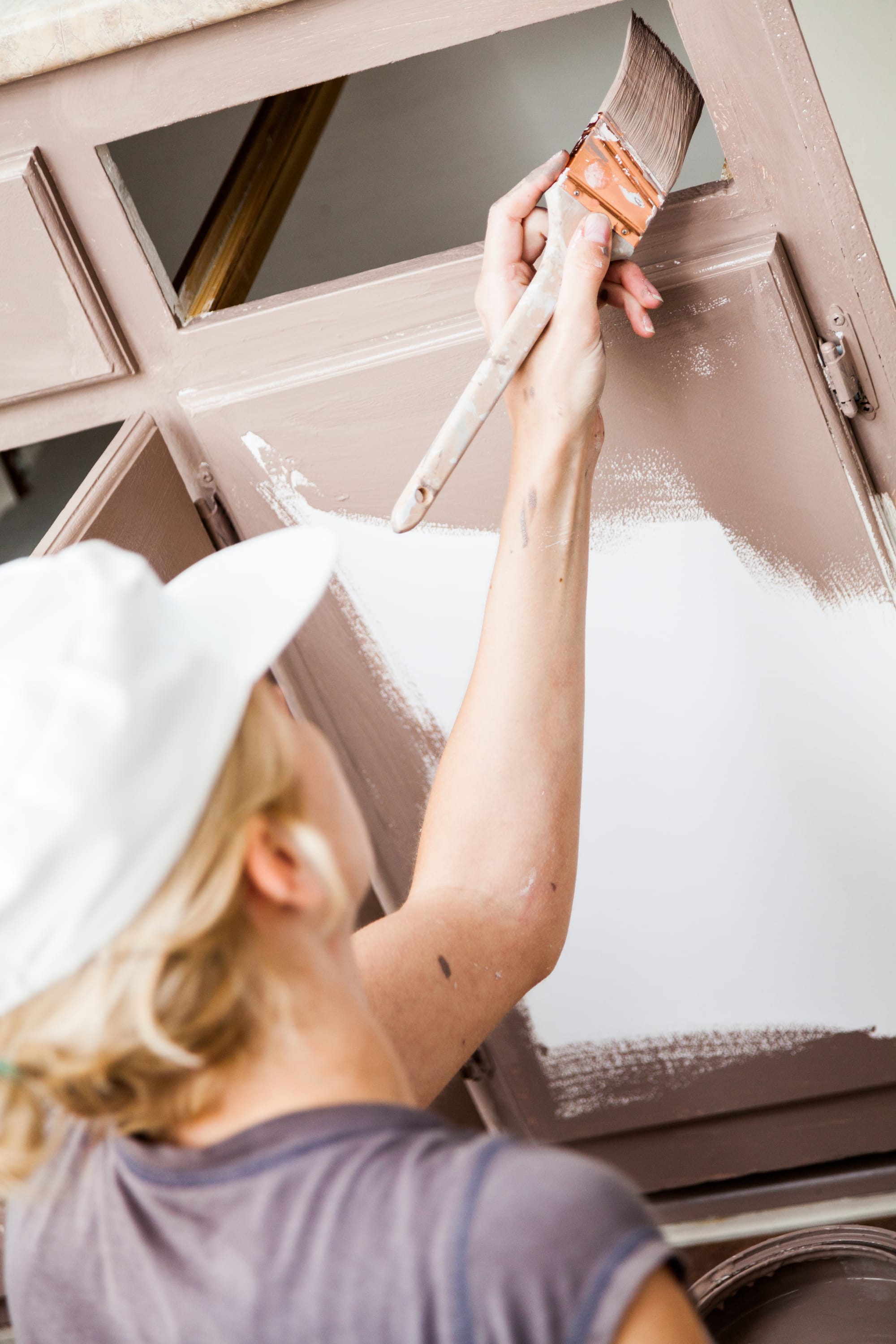
Supporting Articles
- Cabinet Painting Cost Portland Oregon
- Cabinet Refinishing vs Replacement Cost
- Best Paint for Kitchen Cabinets in Portland Homes
- Can You Paint Cabinets Without Sanding?
- Cabinet Painting Prep Checklist for Homeowners
Key Features
- Most cabinet painting projects take 3–5 working days.
- Cleaning, sanding, priming, and drying time matter more than people think.
- Cabinet painting is much faster than full cabinet replacement.
- The real timeline depends on kitchen size, cabinet condition, coating system, and drying conditions.
One of the first questions homeowners ask before scheduling cabinet refinishing is simple:
“How long will cabinet painting take?”
Fair question. Your kitchen is not a random spare bedroom. It is where food, coffee, chaos, kids, dogs, and late-night cereal all happen. When cabinets are being painted, the kitchen is still there, but normal use gets interrupted.
The good news? Most professional cabinet painting projects in Portland take about 3–5 working days for the active work phase.
The less fun truth? That timeline only works when the project is organized correctly. If the cabinets are greasy, glossy, damaged, poorly coated from a previous DIY attempt, or the drying setup is sloppy, the timeline can stretch. Cabinet painting is not magic. It is a sequence. Skip the sequence, and the finish usually pays the price.
This article breaks down the real cabinet painting timeline, what happens each day, what can delay the job, and how Portland homeowners can plan around the process without losing their minds.
Things to Know
- Cabinet doors are usually removed, labeled, and painted separately.
- Prep work is the difference between a durable finish and a sad peeling mess.
- Drying time and curing time are not the same thing.
- Larger kitchens, detailed doors, and damaged cabinets can add time.
- Cabinet painting is usually far less disruptive than full cabinet replacement.
Typical Cabinet Painting Timeline
For most kitchens, professional cabinet painting takes 3 to 5 working days.
That does not mean every cabinet finish is fully cured in 3–5 days. It means the active jobsite work, coating, reinstallation, and final touch-ups are usually completed in that range.
Here is the normal breakdown:
Project Stage | Typical Time Required
Preparation, cleaning, masking, and removal | 1 day
Priming and first coat | 1 day
Additional coats and drying time | 1–2 days
Reinstallation, adjustments, and final touch-ups | 1 day
That is the clean version.The real-world version depends on:
- how many cabinet doors and drawers you have
- whether the cabinets are stained, painted, glossy, or raw wood
- how much grease is built up
- whether repairs are needed
- whether the doors are sprayed off-site or on-site
- what coating system is being used
- how much masking and protection the kitchen requires
A simple kitchen with clean cabinet boxes may move quickly. A large kitchen with heavy grease buildup, raised-panel doors, old failing paint, and hardware changes can take longer.
That is not the painter “dragging it out.” That is the process doing its job.
Why Cabinet Painting Takes Several Days
Cabinet painting takes several days because cabinets are high-touch surfaces. They get opened, closed, bumped, wiped, cooked near, and abused daily.
Walls can be forgiving. Cabinets are not.
A cabinet finish has to bond, level, dry, and cure well enough to handle real kitchen use. That requires a proper sequence:
- Remove and label doors and drawers
- Clean and degrease surfaces
- Sand or scuff for adhesion
- Repair imperfections
- Prime properly
- Sand between coats when needed
- Apply finish coats
- Allow proper drying time
- Reinstall and adjust everything
When homeowners ask why cabinet painting is not a one-day project, this is the answer: because one-day cabinet painting usually means corners got cut somewhere.
And cabinets are rude. They expose shortcuts fast.
Step 1: Cabinet Removal and Preparation
The first stage is removal and organization.
A professional crew will usually remove:
- cabinet doors
- drawer fronts
- hinges
- handles or knobs
- adjustable hardware where needed
Then each door and drawer front gets labeled so everything goes back in the correct place.
This sounds basic, but it matters. Cabinet doors are not always interchangeable. Slight differences in hinge alignment, door spacing, and frame fit can create a headache during reinstallation if the labeling system is sloppy.
Good cabinet prep usually includes:
- numbering doors and drawers
- protecting floors, counters, appliances, and nearby walls
- setting up a work area or spray area
- removing or masking hardware
- inspecting the existing finish
- identifying repairs before coating starts
This is also where a cabinet painting project separates itself from a basic wall repaint. Cabinets need more organization because there are more moving parts. Literally.
Step 2: Surface Cleaning and Degreasing
Kitchen cabinets collect grease. Even clean homes have it.Cooking oils, fingerprints, steam, dust, food residue, and cleaning product buildup all sit on cabinet surfaces. Paint does not bond well to grease. Primer does not magically fix dirty surfaces either.
Typical cleaning and degreasing includes:
- wiping cabinet frames and doors
- removing cooking residue
- cleaning around handles and high-touch areas
- removing dust and surface contamination
- rinsing or wiping residue depending on the cleaner used
This step is boring.
It is also one of the most important parts of the entire cabinet painting timeline.
If you paint over contamination, the finish may look fine at first. Then a few months later, it starts chipping around pulls, peeling near edges, or wearing unevenly. That is when the homeowner says, “But we used good paint.”Good paint over a bad surface is still a bad system.
Step 3: Sanding and Adhesion Preparation
After cleaning, cabinets usually need sanding or scuff sanding.
The goal is not always to strip cabinets down to raw wood. Most of the time, the goal is to dull the existing surface and create mechanical adhesion for the primer.
Sanding helps:
- remove gloss
- smooth rough areas
- level small imperfections
- create better bonding
- prepare edges and profiles
- reduce old finish texture
Glossy factory finishes, stained cabinets, older oil-based coatings, and previous DIY paint jobs all need careful adhesion prep.A common homeowner question is:“
Can you paint cabinets without sanding?
”Sometimes people advertise that. I do not love it. There are specialty bonding primers and deglossing systems that can reduce sanding, but skipping adhesion prep completely is risky.
Cabinets are too expensive and too visible for “hope it sticks” energy.
That is not a system. That is a coin toss wearing painter pants.
Step 4: Repairs, Caulking, and Surface Corrections
Before primer, small repairs should be handled.
Common cabinet repairs include:
- filling small dents
- fixing nail holes
- addressing scratches
- correcting rough edges
- sanding previous drips or brush marks
- caulking small gaps where appropriate
This step depends heavily on the condition of the cabinets.
Older Portland homes may have cabinets that have been painted before, sometimes more than once. If the old coating is already failing, the project becomes more complicated. Painting over peeling cabinet paint is like building a house on pudding. It may stand for a minute, but nobody should be proud of it.
Cabinet repairs can add time, but they also improve the final result dramatically.
Step 5: Priming Cabinets
Primer is not optional for most cabinet painting projects.
A good bonding primer helps with:
- adhesion
- stain blocking
- tannin control
- color uniformity
- creating a consistent base
- improving finish coat performance
The right primer depends on the cabinet material and existing finish.
Cabinet surfaces may be:
- stained wood
- previously painted wood
- MDF
- laminate
- veneer
- factory-finished material
Each one can behave differently. Some surfaces need stronger bonding primers. Some wood cabinets may bleed tannins. Some old coatings need extra caution.
This is why cabinet painting should not be treated like “just slap wall paint on it.”
Cabinet coatings and cabinet primers are part of a system. When the wrong primer is used, failure usually shows up around edges, pulls, corners, and high-use areas first.
Step 6: Painting Cabinet Doors, Drawers, and Frames
Cabinet doors and drawer fronts are often sprayed separately from the cabinet frames.
This helps create a smoother finish with fewer brush marks. Cabinet frames may be sprayed or brushed and rolled depending on the project setup, kitchen layout, ventilation, masking needs, and finish expectations.
A professional cabinet painting process usually includes:
- spraying or finishing cabinet doors separately
- coating drawer fronts
- painting cabinet boxes and face frames
- applying multiple finish coats
- sanding lightly between coats when needed
- checking edges, corners, and profiles
Multiple thin coats are usually better than one heavy coat.
Heavy coats can sag, dry poorly, build uneven texture, and create durability problems. A clean cabinet finish is about control. The finish should look smooth, consistent, and intentional — not like someone panicked with a roller at 9 p.m.
Step 7: Drying Time Between Coats
Drying time is one of the main reasons cabinet painting takes multiple days.
Paint has to dry enough between coats so the next layer can bond and level correctly. Drying time depends on:
- product type
- humidity
- temperature
- airflow
- coat thickness
- cabinet material
- jobsite conditions
In Portland, moisture and temperature matter. Even interior projects can be affected by seasonal humidity, poor ventilation, or cold working conditions.
This is especially true in older homes where airflow may be inconsistent.
A rushed cabinet coating can feel dry on the surface but still be soft underneath. That is when doors stick, edges dent, or the finish marks too easily.
Dry to the touch is not the same thing as ready for abuse.
Step 8: Curing Time After Cabinet Painting
This is where homeowners often get confused.
Drying means the paint is dry enough to touch or recoat.
Curing means the coating has hardened more fully and reached better durability.
Cabinets can often be reinstalled and gently used before they are fully cured, but homeowners should be careful during the first several days after completion.
During the early curing period, avoid:
- slamming cabinet doors
- aggressive cleaning
- hanging wet towels over doors
- scraping around handles
- reinstalling hardware too roughly
- using harsh cleaners
Full cure time depends on the coating system. Some products cure faster than others, but the main rule is simple: be gentle at first.
The finish may be usable, but it is still hardening.
Step 9: Reinstallation and Final Adjustments
Once the doors and drawer fronts are dry enough, they are reinstalled.
Final steps usually include:
- reinstalling hinges
- reinstalling knobs or pulls
- adjusting door alignment
- checking reveal lines
- touching up small areas
- removing masking
- cleaning the workspace
- walking the homeowner through the finished project
This final day matters because cabinet painting is detail-heavy. A beautiful sprayed door does not help much if it is reinstalled crooked or scratched during handling.
Good reinstallation is part of the job, not an afterthought.
Cabinet Painting Timeline by Kitchen Size
Not every kitchen takes the same amount of time.
Small kitchen:
Usually 2–4 working days depending on prep and coating system.
Average kitchen:
Usually 3–5 working days.
Large kitchen:
Often 5–7 working days, especially with islands, built-ins, tall pantry cabinets, or lots of drawers.
Complex kitchen:
May take longer if there are repairs, glass doors, detailed profiles, existing coating failure, or major color changes.
White over dark stained cabinets can require extra attention. Dark colors can also require careful finishing because imperfections may show differently depending on sheen and lighting.
The timeline is not just about square footage. It is about detail count.
A kitchen with 18 simple flat-panel doors may move faster than a kitchen with 36 detailed raised-panel doors, an island, crown molding, and old lacquer issues.
Factors That Can Delay Cabinet Painting
Most cabinet painting delays come from condition, complexity, or drying.
Common timeline delays include:
- heavy grease buildup
- peeling existing paint
- poor previous DIY coating
- damaged veneer
- failing clear coat
- excessive grain texture
- high humidity
- cold interior conditions
- hardware changes
- repairs discovered after removal
- color changes requiring extra coats
Some delays are preventable. Some are just part of doing the job correctly.
The important thing is that the painter communicates clearly before the project starts. Homeowners should know what is included, how long the kitchen may be disrupted, and what could extend the timeline.
No one likes surprise delays. Surprises belong in birthday parties, not kitchen renovation schedules.
Why Cabinet Painting Is Faster Than Cabinet Replacement
Cabinet painting is usually much faster than replacing cabinets.
Cabinet replacement may involve:
- demolition
- new cabinet ordering
- delivery delays
- installation
- countertop adjustments
- backsplash repairs
- plumbing work
- electrical adjustments
- flooring touch-ups
- trim corrections
That can turn into weeks quickly.
Cabinet painting keeps the existing cabinet layout and structure in place. Instead of tearing out the kitchen, the process updates the visible surfaces.
That makes cabinet painting a strong option for homeowners who:
- like their current layout
- want a major visual upgrade
- want to avoid full remodel costs
- need a faster turnaround
- are preparing to sell
- want less disruption
Cabinet painting is not right for every kitchen. If the boxes are falling apart, doors are warped, or the layout is terrible, replacement may make more sense.
But when the cabinets are structurally sound, refinishing can deliver a serious transformation without blowing up the whole kitchen.
How to Prepare Your Kitchen Before Cabinet Painting
Homeowner prep can make the project smoother.
Before the crew arrives, it helps to:
- clear countertops
- remove fragile items near the work area
- empty cabinets if requested
- remove items from drawers if drawer fronts are being removed
- create a temporary coffee or snack station
- plan simple meals
- keep pets away from the work zone
- confirm hardware decisions early
You may not need to fully empty every cabinet. That depends on the process and scope. But you should expect some kitchen access limits.If doors are removed, cabinet contents may be visible. If frames are being painted, access may be limited during coating and drying.
A little planning upfront prevents a lot of annoyed shuffling later.
Can You Use the Kitchen During Cabinet Painting?
You can usually use parts of the kitchen during cabinet painting, but not normally.
During the active work phase, expect limited access to:
- cabinet storage
- drawers
- counters near painted areas
- appliances if masking is installed
- sink areas depending on protection
The kitchen may still function, but it will not feel normal.
Most homeowners can work around this for a few days by setting up:
- a coffee station
- paper plates or simple dishware
- easy meals
- a temporary pantry area
- pet-safe barriers
- alternate food prep space
The smoother the plan, the less painful the disruption.
Is Cabinet Painting Worth the Timeline?
For many Portland homeowners, yes.
Cabinet painting can change the look of the kitchen dramatically without the cost or disruption of replacement.
It is especially worth considering when:
- cabinet boxes are solid
- the layout works
- doors are in good condition
- the kitchen looks dated but functions well
- the homeowner wants a cleaner resale look
- the goal is visual improvement, not a full remodel
A 3–5 day disruption is usually easier to handle than a multi-week renovation.
That said, cabinet painting only makes sense when the process is done correctly. A cheap cabinet paint job that fails after a year is not a bargain. It is just a delayed bill.
Helpful Cabinet Painting Planning Checklist
Before hiring a cabinet painter, ask:
- How many days will the active work take?
- Will doors and drawers be removed?
- Will doors be sprayed separately?
- What primer will be used?
- What cabinet coating will be used?
- How will the kitchen be protected?
- How long before normal use?
- What should I avoid during curing?
- Are hardware changes included?
- What happens if repairs are needed?
These questions help you compare cabinet painting estimates more intelligently.
A good contractor should be able to explain the process without acting annoyed. If someone cannot explain their prep system, coating system, or timeline, that is a red flag wearing a tool belt.
People Also Ask
Why does cabinet painting take several days?
Cabinet painting takes several days because the surfaces must be cleaned, sanded, primed, coated, dried, and reinstalled in the correct order. The timeline protects adhesion and durability. Rushing the process can lead to chipping, sticking doors, uneven sheen, or soft paint around high-touch areas.
What happens if cabinets are painted too quickly?
If cabinets are painted too quickly, the finish may not bond or harden properly. Common problems include peeling, scratches, tacky surfaces, brush marks, stuck doors, and early wear around handles. Cabinets need controlled prep, coating thickness, drying time, and curing time to hold up.
Do cabinet doors need to be removed before painting?
Cabinet doors should usually be removed before painting because it allows better prep, cleaner edges, smoother coating, and easier access to frames. Painting doors in place often creates drips, missed edges, hardware buildup, and a less professional finish.
In Our Experience
Many Portland homeowners expect cabinet painting to take either one day or three weeks. The real answer is usually in the middle.Most well-organized cabinet refinishing projects can be completed in several working days, but only if the prep is handled correctly and the coating system is allowed to dry properly. The mistake is thinking speed is the only goal. Speed matters, but not more than adhesion, durability, and a finish that still looks good after the kitchen goes back to daily use.A good cabinet painting timeline should feel controlled, not rushed.
What This Means for Your Portland Home
If you are planning cabinet painting in Portland, expect a few days of kitchen disruption, not a full remodel nightmare. The key is hiring a crew that treats prep, primer, drying time, and reinstallation like part of the actual job — because that is where cabinet finishes either hold up or start failing.
Serving Portland Homeowners Since 2019
Lightmen Painting works with homeowners across the greater Portland metro area — from first-time consultations to full exterior repaints. Whether you need a second opinion on a contractor's quote, a diagnosis for peeling paint, or a crew that shows up on time and communicates clearly, we're the team Portland homeowners call.
We serve: Portland, Tigard, Lake Oswego, Tualatin, West Linn, Milwaukie, Sherwood, Happy Valley, Oregon City, Beaverton, Hillsboro, and Gresham.
Get a Free Estimate — No Pressure, No Obligation
Ready to move forward — or just want honest answers before you decide?
📞 Call or text: 503-389-5758
Email: scheduling@lightmenpainting.com
Request Your Free Estimate Online →We respond within one business day. Licensed Oregon contractor — CCB# 228370.
Explore More Resources
Cabinet Painting Cost Portland Oregon
Cabinet Refinishing vs Replacement Cost
Link Library
- cabinet refinishing in Portland
- cabinet painting cost in Portland
- cabinet refinishing vs replacement cost
- best paint for kitchen cabinets
- cabinet painting prep checklist
- request a cabinet painting estimate
- see our cabinet painting process
- interior painting services in Portland
PEOPLE ALSO ASK
Why does cabinet painting take longer than wall painting?
Cabinet painting takes longer than wall painting because cabinets require degreasing, sanding, priming, coating, drying, curing, and reinstallation. Walls are broad surfaces with less handling. Cabinets are touched daily, so the coating system needs stronger adhesion and more controlled application.
Can cabinet painting be done in one day?
Cabinet painting can technically be done in one day, but it is usually not a good idea for a full kitchen. One-day cabinet painting often means limited prep, rushed drying, or fewer coats. A durable cabinet finish usually needs several working days.
What is the difference between cabinet drying time and curing time?
Drying time is when the paint becomes dry enough to touch or recoat. Curing time is when the coating hardens more fully and reaches better durability. Cabinets may be usable before full cure, but they should be treated gently for the first several days.
How long does cabinet painting take in Portland?
Cabinet painting in Portland usually takes 3–5 working days for most kitchens. Larger kitchens, damaged cabinets, heavy grease buildup, or complex coating systems can add time. The active work may finish quickly, but homeowners should still allow the finish to cure before heavy cleaning or rough daily use.
Is cabinet painting cheaper than replacing cabinets?
Cabinet painting is usually much cheaper than replacing cabinets because it keeps the existing boxes, layout, counters, and plumbing in place. Replacement can involve demolition, ordering, installation, and related repairs. Painting makes the most sense when the cabinet structure is solid but the finish looks outdated.
Should I hire a professional for cabinet painting?
Hiring a professional is usually the better choice for cabinet painting because adhesion, primer selection, spray technique, and curing time all affect durability. DIY cabinet painting can work, but mistakes are visible and expensive to fix. In Portland homes, proper prep matters even more because kitchens see moisture and daily wear.
DEFINITIONS
- Cabinet Painting Timeline - The expected schedule for cleaning, sanding, priming, painting, drying, and reinstalling kitchen cabinets.
- Cabinet Refinishing - Updating existing cabinet surfaces with new coatings instead of replacing the cabinet boxes.
- Cabinet Painting Portland - A local search term used by Portland homeowners looking for professional cabinet painting services.
- Bonding Primer - Primer designed to help paint adhere to slick, stained, glossy, or previously coated cabinet surfaces.
- Cabinet Degreasing - The process of removing oils, cooking residue, fingerprints, and contamination before sanding or priming.
- Scuff Sanding - Light sanding used to dull glossy surfaces and improve adhesion before primer or paint.
- Cabinet Coating - A durable paint or finish product designed for cabinets, trim, and high-touch surfaces.
- Drying Time - The amount of time needed before paint can be touched, handled, or recoated.
- Curing Time - The longer hardening process that helps the coating reach better durability after it dries.
- Spray Application - A painting method often used on cabinet doors and drawer fronts to create a smoother finish.
- Cabinet Reinstallation - The final step where doors, drawer fronts, hinges, and hardware are put back after painting.
- Kitchen Cabinet Refinishing - The process of improving kitchen cabinet appearance through prep, primer, and finish coatings.
Cabinet painting timeline Portland homeowners should understand depends on kitchen size, cabinet condition, preparation requirements, drying time, primer selection, coating system, and reinstallation details. Most professional cabinet painting projects in Portland take 3–5 working days, but larger kitchens, damaged cabinets, grease buildup, old failing paint, or detailed cabinet doors can increase the schedule. Cabinet refinishing is often faster than cabinet replacement because the existing cabinet boxes, kitchen layout, countertops, and plumbing usually remain in place. A durable cabinet painting project requires cleaning, degreasing, sanding, bonding primer, finish coats, drying time, curing time, and careful reinstallation. Homeowners comparing cabinet painting estimates should ask about surface preparation, spray application, cabinet coatings, hardware removal, drying expectations, and when the kitchen can return to normal use.
About Lightmen Painting
Lightmen Painting is a licensed Oregon painting contractor (CCB# 228370) serving the Portland metro area. We specialize in exterior and interior residential painting, cabinet refinishing, and helping homeowners understand their options before spending a dime. Our process is built around clear communication, honest pricing, and work that holds up in the Pacific Northwest climate.