Do You Need Primer for Exterior Paint?
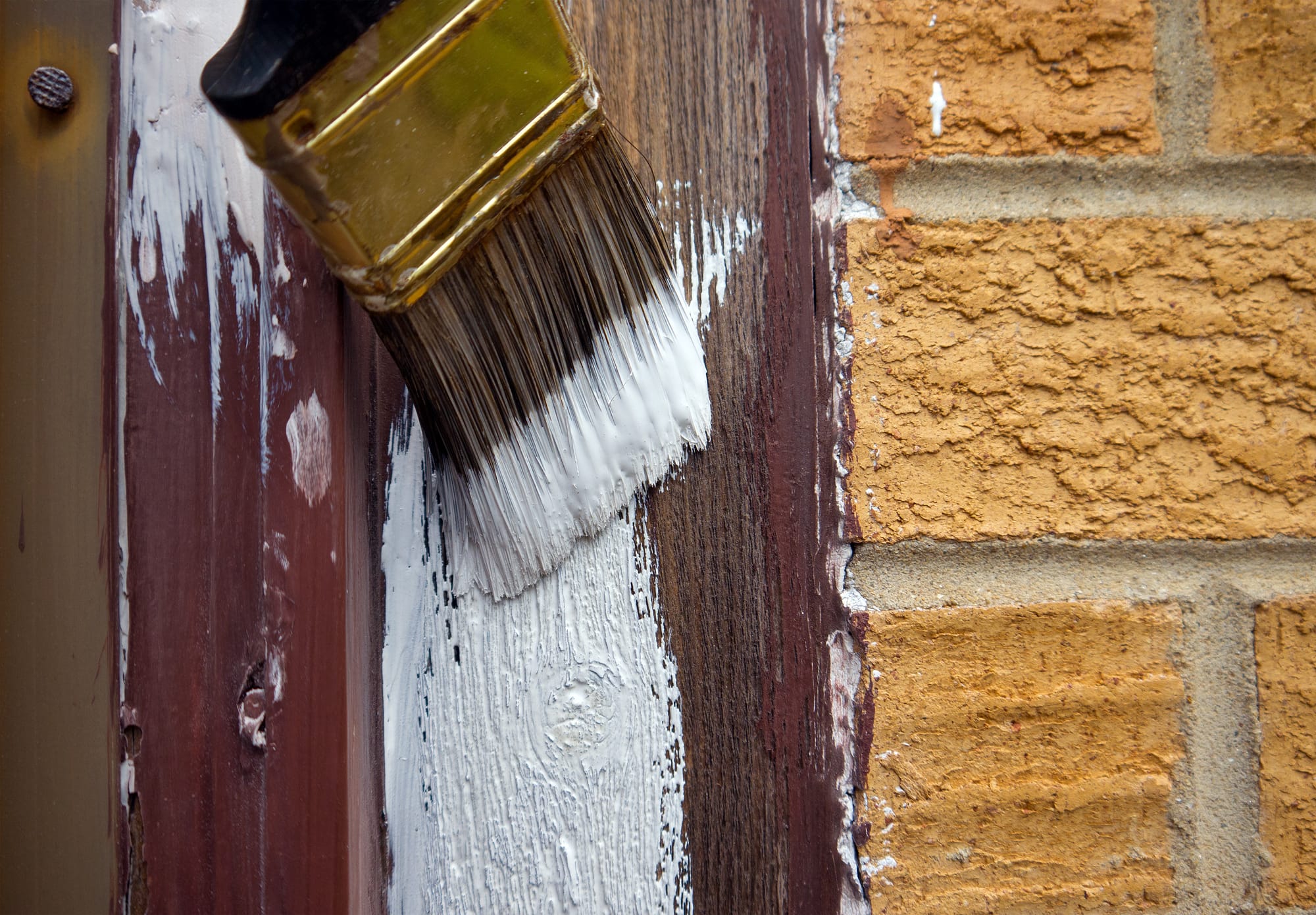
Key Features
- Primer improves paint adhesion on exterior surfaces
- Stain-blocking primers prevent discoloration
- Proper priming helps extend paint lifespan
When planning an exterior paint project, many homeowners wonder whether primer is really necessary. Some modern paints advertise “paint and primer in one,” which can make the process seem simpler.
But in reality, primer still plays a critical role in many exterior painting situations.
Primer prepares the surface so paint can adhere properly, improves coverage, and helps block stains that might bleed through finish coats.
Skipping primer when it’s needed can lead to problems such as:
- peeling paint
- uneven color coverage
- tannin stains bleeding through paint
- reduced paint lifespan
Understanding when to use primer for exterior paint can help ensure a durable and long-lasting finish.
Things to Know
- Bare wood always requires primer
- Primer helps cover stains and discoloration
- Spot priming damaged areas improves durability
- Primer helps paint bond to repaired surfaces
- Proper priming can reduce the number of paint coats needed
What Does Exterior Primer Do?
Primer acts as a bonding layer between the surface and the paint.
Instead of applying paint directly to siding or wood, primer creates a stable base that allows paint to adhere better.
Key functions of exterior primer include:
- improving paint adhesion
- sealing porous surfaces
- blocking stains
- creating uniform coverage
These benefits help paint perform better over time.
When Primer Is Necessary for Exterior Painting
Painting Bare Wood
Bare wood is one of the most common situations where primer is required.
Wood surfaces are porous and can absorb paint unevenly. Primer seals the wood and allows paint to spread evenly.
Repainting After Scraping or Repairs
When loose paint is scraped away, small areas of bare wood are often exposed.
These areas should be primed before applying finish paint.
Painting Over Stained Surfaces
Certain surfaces contain stains that can bleed through paint.
Primer helps block:
- water stains
- tannin stains from cedar or redwood
- smoke damage
Using stain-blocking primer prevents discoloration.
Changing Paint Colors
Primer can also help when switching from a dark color to a lighter color.
Without primer, the old color may show through the new paint.
Situations Where Primer May Not Be Required
Primer is not always necessary for every exterior repaint.
If the existing paint is:
- in good condition
- clean and well bonded
- similar in color to the new paint
then new paint may adhere well without a full primer coat.
However, spot-priming damaged areas is still recommended.
Types of Exterior Primer
Different primers are designed for different surfaces.
Acrylic Primer
Water-based acrylic primers are commonly used for exterior painting.
They provide:
- strong adhesion
- fast drying times
- compatibility with latex paints
Oil-Based Primer
Oil-based primers are excellent for sealing wood and blocking stains.
They are often used for:
- cedar siding
- wood trim
- heavy stain blocking
Stain-Blocking Primer
These primers prevent stains from bleeding through paint.
They are especially useful for cedar siding or water-damaged surfaces.
In Our Experience
On most exterior paint projects, some level of priming is almost always required. Even if a home doesn’t need full priming, areas that have been scraped or repaired should be spot-primed. This extra step helps ensure the paint adheres properly and lasts longer.
Benefits of Using Primer
Using primer provides several advantages for exterior paint projects.
| Benefit | Why It Matters |
| Better adhesion | Paint bonds more securely |
| Improved coverage | Fewer paint coats required |
| Longer paint lifespan | Reduced peeling and cracking |
| Stain blocking | Prevents discoloration |
These benefits help ensure professional-quality results.
Why Primer Matters in Portland’s Climate
In Portland’s wet climate, exterior surfaces are exposed to moisture, mildew, and temperature changes.
Primer helps seal surfaces and improves paint adhesion under these conditions.
Proper priming can help paint withstand:
- rain exposure
- moisture intrusion
- mildew growth
This is why many professional painters rely on primer when painting homes in the Pacific Northwest.
Do You Have Questions? Give Us A Call!
If you’re in the Portland, OR metro area and you want:
a clean plan before repainting, or
help diagnosing exterior paint failures, or
a crew that resolves issues like adults or
You Just Have Questions…
Here’s the easiest path:
Email: scheduling@lightmenpainting.com
Call: 503-389-5758
-
People Also Ask:
Is primer necessary before exterior painting?
Primer is necessary for bare wood, repairs, or stain-blocking situations to improve adhesion and coverage.
Can you skip primer when repainting a house?
Sometimes, if the existing paint is in good condition and well bonded. However, damaged areas should still be primed.
What happens if you paint without primer?
Paint may not adhere properly and could peel, stain, or wear out sooner.
-
Resources:
- How to Prepare a House for Exterior Painting
- Exterior Paint Condition Report (How it works)
- Exterior Painting Services
- Paint Project Cost Calculator
- Painting ROI Calculator (optional add)
Definitions
- Primer for exterior paint-A base coating applied before paint to improve adhesion and coverage.
- Exterior painting Portland-Professional house painting services in Portland, Oregon.
- Paint adhesion-The strength of the bond between paint and the surface.
- Stain-blocking primer-Primer designed to prevent stains from bleeding through paint.
- Exterior paint preparation-Steps taken before painting to prepare surfaces.
- Bare wood primer-Primer applied to raw wood surfaces before painting.
- Spot priming-Priming only specific areas rather than the entire surface.
- Exterior paint durability-How long paint protects siding before failing.
- Pacific Northwest climate-Wet environmental conditions common in Oregon and Washington.
- Exterior paint lifespan-The expected life of exterior paint before repainting is needed.
Lightmen Painting Serving: Portland, Tigard, Lake Oswego, Tualatin, West Linn, Milwaukie, Sherwood, Happy Valley, Oregon City, Beaverton, Hillsboro, Gresham
Primer for exterior paint helps improve paint adhesion, seal porous surfaces, and prevent stains from bleeding through finish coats. Exterior primer is especially important when painting bare wood, repairing damaged siding, or covering stains from water damage or wood tannins. In Portland and throughout the Pacific Northwest, primer helps protect exterior surfaces from moisture and improves the durability of paint coatings. Although modern paints sometimes advertise built-in primers, dedicated primer is still recommended in many situations to ensure a longer-lasting exterior paint job.