Does Paint Always Smell for Days After Repainting?
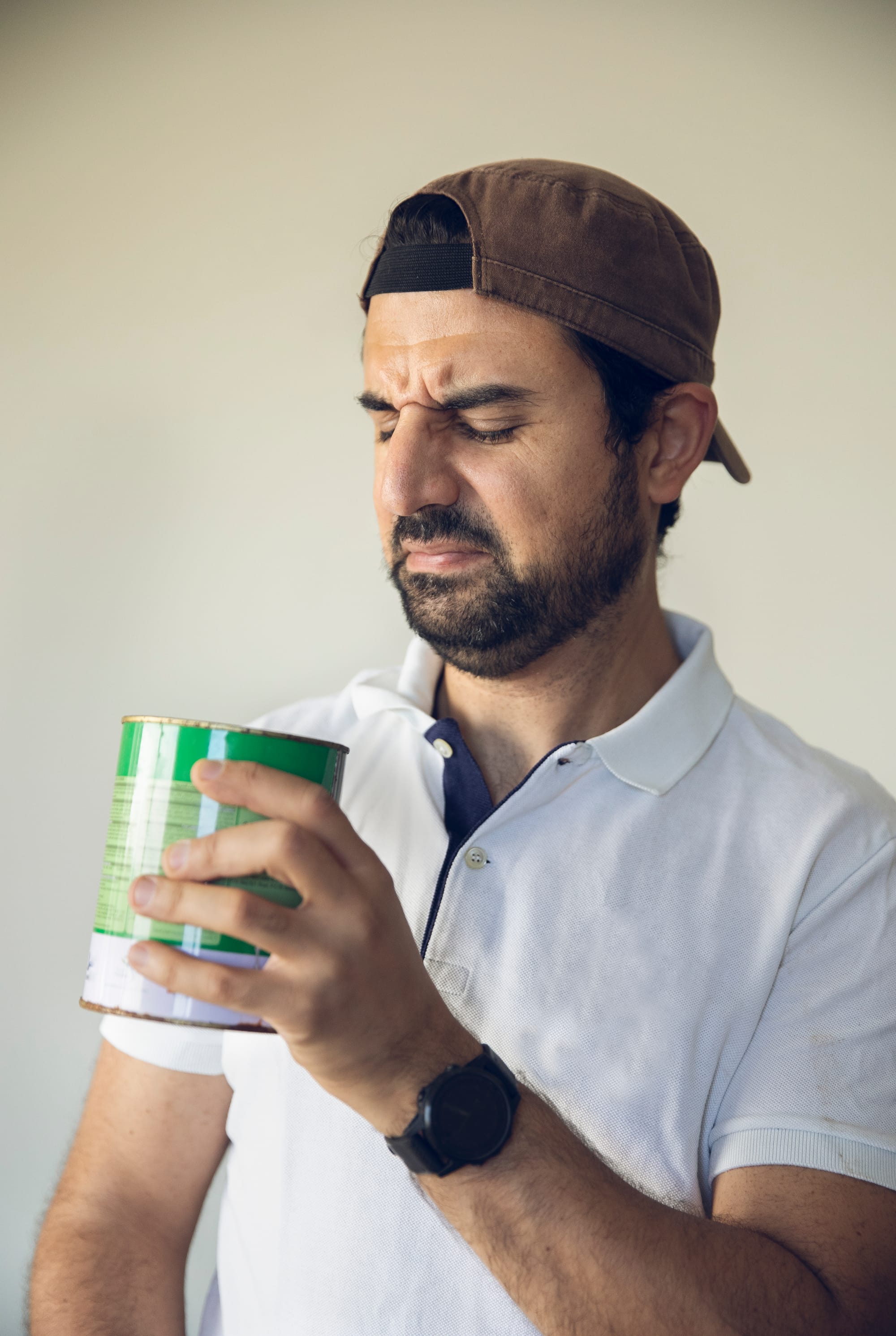
KEY FEATURES
- VOC and odor explanation for homeowners
Explains why paint smells, what VOCs are and why low-VOC paint can still have some odor. - Occupied-home comfort guidance
Covers bedrooms, pets, kids, ventilation, room sequencing and Portland weather realities. - Correct internal links placed by intent
Connects VOC concerns to interior painting, ventilation/process concerns to the process page and project planning to the estimate page.
Fresh paint smell is one of those things homeowners expect after an interior repaint.
But does paint always smell for days after repainting?
No, not always. Some paint odor is normal, especially right after application, but modern interior paints, better ventilation, lower-VOC products and a cleaner painting process can reduce how long the smell lingers. A strong paint smell for several days usually comes down to product choice, ventilation, room size, humidity, temperature, coating type and how much paint was applied.
For Portland homeowners, this matters because interior painting often happens while people are still living in the home. You may have kids, pets, remote work, tenants, bedrooms, kitchens or bathrooms that need to stay usable. Nobody wants the house smelling like a paint aisle for a week. That is not a “fresh update.” That is a headache with walls.
The good news: paint smell can usually be managed.
The better news: if odor, ventilation and comfort matter to you, choosing low-odor interior painting products and a clean project plan can make a major difference.
THINGS TO KNOW
- Paint does not always smell for days, but poor ventilation can make odor linger.
- Low-VOC paint usually smells less, but it is not always completely odor-free.
- Primers, trim paints, cabinet coatings and oil-based products often smell stronger than wall paint.
- Portland’s rainy weather can limit window ventilation and slow dry time.
- Odor should be discussed before the project starts, especially in occupied homes.
Quick Answer: Does Paint Always Smell for Days?
No, paint does not always smell for days after repainting.
Most modern water-based interior paints have a mild odor that fades as the paint dries and the room ventilates. In many cases, the strongest smell is noticeable during painting and for the first several hours afterward. Some rooms may still have a light odor the next day, especially if ventilation is poor.
Paint smell can last longer when:
- The room has poor airflow
- Several coats were applied
- The paint has higher VOC content
- Oil-based primer or specialty coating was used
- The room is humid or cool
- Doors and windows stayed closed
- Cabinets, trim or closets were painted
- The paint was applied too heavily
- The home has limited ventilation
If the project is planned correctly, most interior repaint odors should be manageable and temporary.
Why Does Fresh Paint Smell?
Paint smell comes from ingredients evaporating as the paint dries and cures.
That includes water, solvents, additives and volatile organic compounds, commonly called VOCs. VOCs are chemicals that can evaporate into the air during and after painting.
Not every paint smells the same because paint formulas vary.
A modern low-VOC wall paint usually smells much milder than an older oil-based coating, stain-blocking primer, solvent-based product or specialty enamel.
What Are VOCs in Paint?
VOCs are compounds that release into the air as paint dries.
In plain English, VOCs are part of what creates that fresh paint smell.
Modern paints have improved a lot, and many interior paints are now labeled low-VOC or zero-VOC. That does not always mean “zero smell,” but it often means less odor and better comfort during occupied-home painting.
Common VOC and Odor Factors
Paint odor depends on:
- Product type
- VOC level
- Solvent content
- Primer type
- Sheen
- Colorant
- Dry time
- Ventilation
- Temperature
- Humidity
A low-VOC wall paint in a ventilated bedroom may smell mild and fade quickly.
A stain-blocking primer in a small bathroom with the fan off? Different story. That little room will announce itself.
Does Low-VOC Paint Still Smell?
Yes, low-VOC paint can still have some smell.
This surprises people.
Low-VOC does not always mean odor-free. It means the paint is formulated with lower levels of certain volatile compounds. Other ingredients can still create odor during drying.
Also, colorants, primers and specialty coatings can change the odor level.
So if someone promises “no smell at all,” be careful. That is usually marketing optimism wearing a clean shirt.
A better promise is this: the right low-odor product, proper ventilation and smart scheduling can significantly reduce odor and disruption.
How Long Does Interior Paint Smell Usually Last?
For most standard interior wall paint, the strongest smell usually fades within the first day or two if the space is ventilated properly.
But the timeline depends on the project.
Typical Paint Smell Timeline
| Paint Situation | Typical Odor Timeline | Notes |
| Low-VOC wall paint in ventilated room | Several hours to 1 day | Usually mild |
| Standard interior wall paint | 1–2 days | Depends on airflow |
| Bathroom or closet painting | 1–3 days | Small enclosed spaces hold odor |
| Trim and door enamel | 1–3+ days | More durable coatings can smell stronger |
| Stain-blocking primer | 1–3+ days | Odor depends on primer type |
| Oil-based products | Several days or more | Stronger odor and longer off-gassing |
| Cabinet coatings | Several days possible | Product and process matter a lot |
This is not a guarantee. It is a realistic planning guide. If odor is a major concern, tell your painter before the estimate. Product choice and schedule can be adjusted before the project starts.
Why Does Paint Smell Longer in Some Rooms?
Some rooms trap paint smell more than others.
Small rooms, enclosed rooms and rooms with poor ventilation tend to hold odor longer.
Rooms Where Paint Smell Often Lingers
- Bathrooms
- Closets
- Laundry rooms
- Basements
- Hallways
- Bedrooms with closed doors
- Small offices
- Kitchens with cabinet work
- Rooms with limited windows
Bathrooms are especially tricky because they are small, humid and often have less airflow. If the fan is weak or not used, odor can hang around longer.
Closets are another offender. People paint them, close the door and then wonder why it smells like paint every time they grab a jacket. The smell did not leave. It was trapped in there like a tiny chemical ghost.
How Portland Weather Affects Interior Paint Smell
Portland’s weather can affect dry time and odor. Interior painting may be indoors, but outside conditions still influence ventilation and humidity. During rainy or cold stretches, homeowners may not want to open windows. That limits airflow. Higher indoor humidity can also slow drying. Slower drying means odor may linger longer.
Portland Conditions That Can Extend Paint Odor
- Rainy days with closed windows
- High indoor humidity
- Cool indoor temperatures
- Limited airflow in older homes
- Basement or lower-level painting
- Bathrooms without strong fans
- Winter interior repaint projects
This does not mean you should avoid interior painting in Portland winters. Interior painting is actually a strong winter project. It just means ventilation planning matters.
How Can Ventilation Reduce Paint Smell?
Ventilation is one of the biggest factors in how long paint smell lasts.
The goal is to move stale air out and bring fresh air in.
Good ventilation can include:
- Opening windows when weather allows
- Running exhaust fans
- Using box fans to move air
- Keeping interior doors open when safe
- Running HVAC fan circulation
- Creating cross-flow from one side of the home to another
- Avoiding closed-off freshly painted rooms
Do not aim fans directly at wet paint if it causes uneven drying or dust movement. The goal is air exchange, not blasting the wall like you are trying to dry a wet dog.
What Is a Clean Interior Painting Process?
A clean interior painting process is about more than neat drop cloths.
It includes planning the project so the home remains livable, protected and easier to return to normal.
A strong process should address:
- Room sequencing
- Surface preparation
- Product choice
- Ventilation
- Furniture protection
- Dust control
- Cleanup
- Dry time
- Re-entry timing
- Final walkthrough
This is where hiring a professional interior painter can help, especially for occupied homes.
A clean interior painting process should reduce disruption, protect the home and make the odor conversation part of planning instead of an afterthought.
What Paint Products Smell the Most?
Not all coatings behave the same. Some products naturally have stronger odor because of what they are designed to do.
Products That May Smell Stronger
- Oil-based primers
- Stain-blocking primers
- Shellac-based primers
- Oil-based trim paint
- Some cabinet coatings
- Floor coatings
- Industrial or specialty coatings
- Strong bonding primers
- High-durability enamels
These products may be necessary in certain situations.
For example, if there is a water stain, smoke stain, tannin bleed or adhesion problem, the right primer matters. Using a mild wall paint over a stain because you want less odor can backfire when the stain bleeds through.
The better move is to choose the least disruptive product that still solves the problem.
Can Paint Smell Be a Sign of a Problem?
Sometimes.
Some odor is normal. Strong odor that does not fade can point to a few possible issues.
Possible Reasons Paint Smell Is Lingering
- Poor ventilation
- Paint applied too heavily
- High humidity slowing dry time
- Enclosed room with closed doors
- Higher-VOC product used
- Oil-based primer or coating
- Painted surfaces not fully cured
- HVAC not circulating air
- Painted closets or cabinets staying closed
- Product mismatch or improper application
If the smell is intense, does not improve or causes discomfort, increase ventilation and avoid spending extended time in that room until conditions improve.
For households with asthma, respiratory sensitivities, young children, older adults or pets, it is smart to discuss product selection and room access before the project begins.
Can You Sleep in a Freshly Painted Room?
Sometimes, but it depends on the paint, ventilation and odor level.
If low-VOC paint was used, the room is well ventilated and the smell is mild, some people may feel comfortable using the room after the paint has dried enough.
But if the room still smells strong, do not force it.
A better plan is to avoid sleeping in the freshly painted room the first night if:
- The odor is noticeable
- Ventilation is limited
- The room is small
- Multiple coats were applied
- Primer was used
- Trim or doors were painted
- Anyone in the home is sensitive to odors
For bedrooms, scheduling matters. Paint early in the day when possible, ventilate well and plan a backup sleeping space if odor is a concern.
Can Pets Stay Home During Interior Painting?
Pets complicate interior painting.
Shocking, I know. Cats are famous for respecting wet surfaces and construction boundaries.
Pets can be affected by odor, noise, open doors, moved furniture and wet paint. They can also create problems by walking through work areas, getting hair into fresh paint or deciding the drop cloth is now their kingdom.
For pet-friendly planning:
- Keep pets out of painted rooms
- Use low-odor products when possible
- Ventilate the space
- Avoid letting pets near wet paint
- Keep litter boxes and food away from work areas
- Plan safe closed-off areas
- Discuss pets with the painter before work starts
If the project is large or odor-sensitive products are needed, consider having pets stay elsewhere during the most disruptive part of the work.
What About Kids and Fresh Paint Smell?
For homes with kids, product selection and scheduling matter.
Children may be more sensitive to strong smells, and they are also more likely to touch wet paint because apparently every fresh wall sends out a secret invitation.
For family homes:
- Use low-VOC or low-odor products when appropriate
- Paint bedrooms early in the day
- Ventilate aggressively
- Keep kids out of work areas
- Avoid painting all sleeping areas at once
- Let rooms air out before regular use
- Plan work around school, naps or routines
This is one reason professional project sequencing helps. The goal is not just painting the room. The goal is keeping the home functioning while the work happens.
People Also Ask
Why does paint smell after it dries?
Paint can still smell after it dries because drying and curing are not the same thing. The surface may feel dry, but ingredients can continue releasing odor as the coating cures. Ventilation, humidity, paint type and product thickness all affect how long the smell remains.
Is low-VOC paint completely odor-free?
Low-VOC paint is not always completely odor-free. It usually has less odor than higher-VOC products, but ingredients, colorants, primers and room conditions can still create a noticeable smell. Low-VOC paint helps, but ventilation and proper application still matter.
How do you get rid of paint smell faster?
The best way to reduce paint smell faster is to improve airflow. Open windows when weather allows, use exhaust fans, run air circulation and avoid closing freshly painted rooms too soon. Product choice and proper dry time also make a big difference.
How Do You Reduce Paint Smell Before the Project Starts?
The best time to manage paint odor is before painting begins.
Do not wait until the house smells strong and then start problem-solving.
Before Interior Painting, Ask About:
- Low-VOC paint options
- Low-odor primer options
- Whether primer is needed
- Which rooms will be painted first
- How ventilation will be handled
- Whether bedrooms can be scheduled early
- How long rooms should stay open
- When furniture can be moved back
- Whether pets or kids need special planning
- Whether strong coatings are required
If odor is a priority, say so clearly.
A good contractor can help select products and schedule work with that in mind.
What Can Homeowners Do During Painting?
Homeowners can help reduce odor and disruption by preparing the space.
Homeowner Checklist for Lower-Odor Interior Painting
- Remove small items before painting
- Clear surfaces and shelves
- Keep windows accessible
- Move sensitive people away from work areas
- Keep pets secured
- Ask about fan placement
- Avoid closing painted rooms too soon
- Keep closet doors open after painting
- Use bathroom fans when appropriate
- Confirm dry time before using the room normally
Small planning choices help.
A freshly painted room with airflow will recover faster than a freshly painted room sealed shut like evidence.
How Long Should You Ventilate After Painting?
Ventilate as long as odor remains noticeable.
For many interior projects, ventilation during painting and for at least the rest of the day helps. Some rooms may need ventilation into the next day or longer, especially if the paint or primer has stronger odor.
Ventilation Timing Guide
| Project Type | Recommended Ventilation Focus |
| Single room wall repaint | During painting and several hours after |
| Bedroom repaint | During painting, evening, and overnight if possible |
| Bathroom repaint | During painting and fan use afterward |
| Closet repaint | Leave doors open after painting |
| Trim/door painting | Longer ventilation due to coating type |
| Cabinet painting | Ventilation plan should be discussed before work |
Use common sense. If the room smells strong, it needs more air exchange or more time.
Does Paint Smell Mean the Paint Is Not Dry?
Not always.
Paint can feel dry but still have odor.
There are two stages:
Dry to the touch
The surface can be lightly touched without paint transferring.
Cured
The coating has hardened more fully and reached better durability.
A wall may be dry enough to look finished but still curing. During that time, a mild smell may remain.
This is especially relevant for trim, doors and cabinets because those coatings often need more cure time than standard wall paint.
Does Paint Sheen Affect Smell?
Sometimes.
Sheen itself is not the only factor, but higher-durability coatings and certain enamels may smell more than basic wall paint.
Trim and door paints often have stronger odor than flat wall paints because they are formulated for durability, adhesion and cleaning.
That is why painting doors, baseboards, cabinets or built-ins can create more noticeable odor than painting walls.
What Is the Difference Between Paint Odor and Poor Indoor Air Comfort?
Paint odor is the smell you notice.
Indoor comfort includes more than smell.
A room may feel uncomfortable because of:
- Odor
- Humidity
- Lack of airflow
- Dust from prep
- Warm temperature
- Closed windows
- Strong primer
- Cleaning products
- Multiple freshly painted surfaces
A professional process should consider the whole environment, not just the paint can.
IN OUR EXPERIENCE
In our experience, paint smell becomes a bigger issue when nobody plans for it. Most interior wall repaints are manageable with the right products and ventilation. The projects that need more care are bedrooms, bathrooms, closets, trim, cabinets and occupied homes with kids, pets or odor-sensitive family members. This is one of those problems where a little planning beats a lot of complaining later.
When Is Professional Interior Painting Better for Occupied Homes?
Professional interior painting is especially useful when the home will stay occupied during the project.
That includes:
- Families living in the home
- Remote workers
- Homes with pets
- Homes with kids
- Rental units between tenants
- Bedrooms that need fast turnaround
- Kitchens and bathrooms that must stay usable
- Larger multi-room repaints
A professional crew can sequence the work so the whole house is not disrupted at once.
That may mean painting bedrooms first, leaving certain rooms accessible, planning dry times, managing ventilation and coordinating cleanup.
The less the project feels like chaos, the better.
Should You Leave the House During Interior Painting?
Not always.
For many standard low-odor interior painting projects, homeowners can stay in the house if work areas are separated and ventilated.
But leaving may be smart when:
- Strong primer is required
- Multiple rooms are painted at once
- Bedrooms are being painted
- Odor sensitivity is a concern
- Pets or kids make separation difficult
- Cabinet coatings are being used
- The home has poor ventilation
This should be discussed before the project starts.
No one wants to discover at 8 p.m. that the bedroom smells too strong to sleep in and the backup plan is the couch next to a suspiciously curious dog.
What Should You Ask Your Painter About Paint Smell?
Ask these before the job begins:
- What paint product do you recommend?
- Is it low-VOC or low-odor?
- Will primer be needed?
- Does the primer have stronger odor?
- How long should we ventilate?
- Can we sleep in the room that night?
- Should pets stay away from the area?
- Can bedrooms be painted earlier in the day?
- What rooms will be painted first?
- How long before furniture can go back?
- Will trim or doors smell stronger than walls?
Good painters should answer directly.
If they act like odor does not matter, that is a sign they are not thinking about the home as a lived-in space.
Final Takeaway: Paint Smell Is Normal, But It Should Be Managed
Paint does not always smell for days after repainting.
Some odor is normal, but strong lingering smell is usually tied to product type, ventilation, humidity, room size or specialty coatings.
For most homeowners, the smartest plan is simple:
- Choose lower-odor products when appropriate
- Ventilate properly
- Plan room sequencing
- Avoid closing painted rooms too soon
- Talk about pets, kids and bedrooms before work starts
- Use professional help when the project affects occupied living spaces
If interior comfort matters and you want help planning product choice, ventilation and timing, it may be time to schedule an interior painting estimate before the project begins.
What This Means for Your Portland Home
If you are worried about paint smell after repainting, the answer is not to avoid interior painting completely. The smarter move is choosing the right paint products, planning ventilation and working with a clean process so your Portland home feels fresh without smelling like a hardware store for days.
Serving Portland Homeowners Since 2019
Lightmen Painting works with homeowners across the greater Portland metro area — from first-time consultations to full exterior repaints. Whether you need a second opinion on a contractor's quote, a diagnosis for peeling paint, or a crew that shows up on time and communicates clearly, we're the team Portland homeowners call.
We serve: Portland, Tigard, Lake Oswego, Tualatin, West Linn, Milwaukie, Sherwood, Happy Valley, Oregon City, Beaverton, Hillsboro, and Gresham.
Get a Free Estimate — No Pressure, No Obligation
Ready to move forward — or just want honest answers before you decide? 📞 Call or text: 503-389-5758
Email: scheduling@lightmenpainting.com
Request Your Free Estimate Online → We respond within one business day. Licensed Oregon contractor — CCB# 228370.
Link Library
- low-odor interior painting
- clean interior painting process
- schedule an interior painting estimate
- benefits of hiring an interior painting company
- interior paint finishes explained
- residential painting homeowner guide
PEOPLE ALSO ASK
How long do VOCs stay in the air after painting?
VOCs can remain in the air after painting while the paint dries and cures, but the timeline depends on the product, ventilation, humidity and room conditions. Low-VOC paints usually reduce the issue, while stronger primers, oil-based products or poorly ventilated rooms may take longer to air out.
What kind of paint has the least smell?
Low-VOC or zero-VOC water-based interior paints usually have the least smell for standard wall painting. Some primers, trim enamels and specialty coatings may still have stronger odor because they are designed for stain blocking, adhesion or durability. Product choice should match the surface.
Does opening windows help paint smell go away?
Yes, opening windows helps paint smell go away by increasing air exchange. Cross-ventilation, exhaust fans and air circulation can all reduce lingering odor. In Portland, weather may limit window use, so room sequencing and fan planning can make a big difference.
Can I request low-odor paint for an interior painting project?
Yes, you can request low-odor paint for an interior painting project. Many modern interior paints are available in low-VOC or lower-odor formulas. Product choice should still match the room, surface and durability needs, especially in kitchens, bathrooms, hallways and bedrooms.
How long should I wait before sleeping in a freshly painted room?
You should wait until the paint is dry, the room is well ventilated and the odor is mild or gone before sleeping there. Many homeowners prefer waiting overnight, especially if the room is small, multiple coats were applied or anyone in the home is sensitive to smell.
Should I get an estimate if I am worried about paint smell?
Yes, an estimate is a good time to discuss paint smell, product options, ventilation, room sequencing and whether low-VOC products make sense. Bringing up odor concerns early helps the contractor plan the project around comfort instead of reacting after the paint is already on the walls.
DEFINITIONS
- Paint smell-The odor released as paint dries and certain ingredients evaporate into the air.
- VOCs-Volatile organic compounds that can evaporate from paints, primers and coatings during drying and curing.
- Low-VOC paint-Paint formulated with lower levels of certain volatile organic compounds.
- Zero-VOC paint-Paint labeled as having very low or no measured VOCs under certain standards, though it may still have some odor.
- Off-gassing-The release of odor or compounds from paint or other materials into the air over time.
- Ventilation-Air movement that removes stale indoor air and brings in fresher air.
- Dry time-The amount of time paint needs before it can be touched or recoated.
- Cure time-The longer period needed for paint to fully harden and reach durability.
- Interior painting-Painting walls, ceilings, trim, doors or other surfaces inside a home.
- Primer-A preparatory coating used to improve adhesion, block stains or prepare surfaces before paint.
- Paint sheen-The level of shine in paint, such as flat, matte, eggshell, satin or semi-gloss.
- Occupied-home painting-Painting work performed while homeowners, tenants, pets or families remain in the property.
Does paint always smell for days after repainting? Not always. Interior paint smell depends on VOC levels, ventilation, humidity, room size, paint product, primer type, sheen, coating thickness and drying conditions. Low-VOC interior paint and low-odor painting products can reduce smell, but even modern paints may have some odor during drying and curing. Portland homeowners planning interior painting should consider airflow, room sequencing, pets, kids, bedrooms, bathrooms, trim paint, primer use and occupied-home comfort before repainting. A professional interior painting process can help manage paint odor by selecting the right product, planning ventilation, protecting the home and scheduling work so freshly painted rooms have time to dry properly.
About Lightmen Painting Lightmen Painting is a licensed Oregon painting contractor (CCB# 228370) serving the Portland metro area. We specialize in exterior and interior residential painting, cabinet refinishing, and helping homeowners understand their options before spending a dime. Our process is built around clear communication, honest pricing, and work that holds up in the Pacific Northwest climate. Read