How Often Should You Paint a House in Portland?
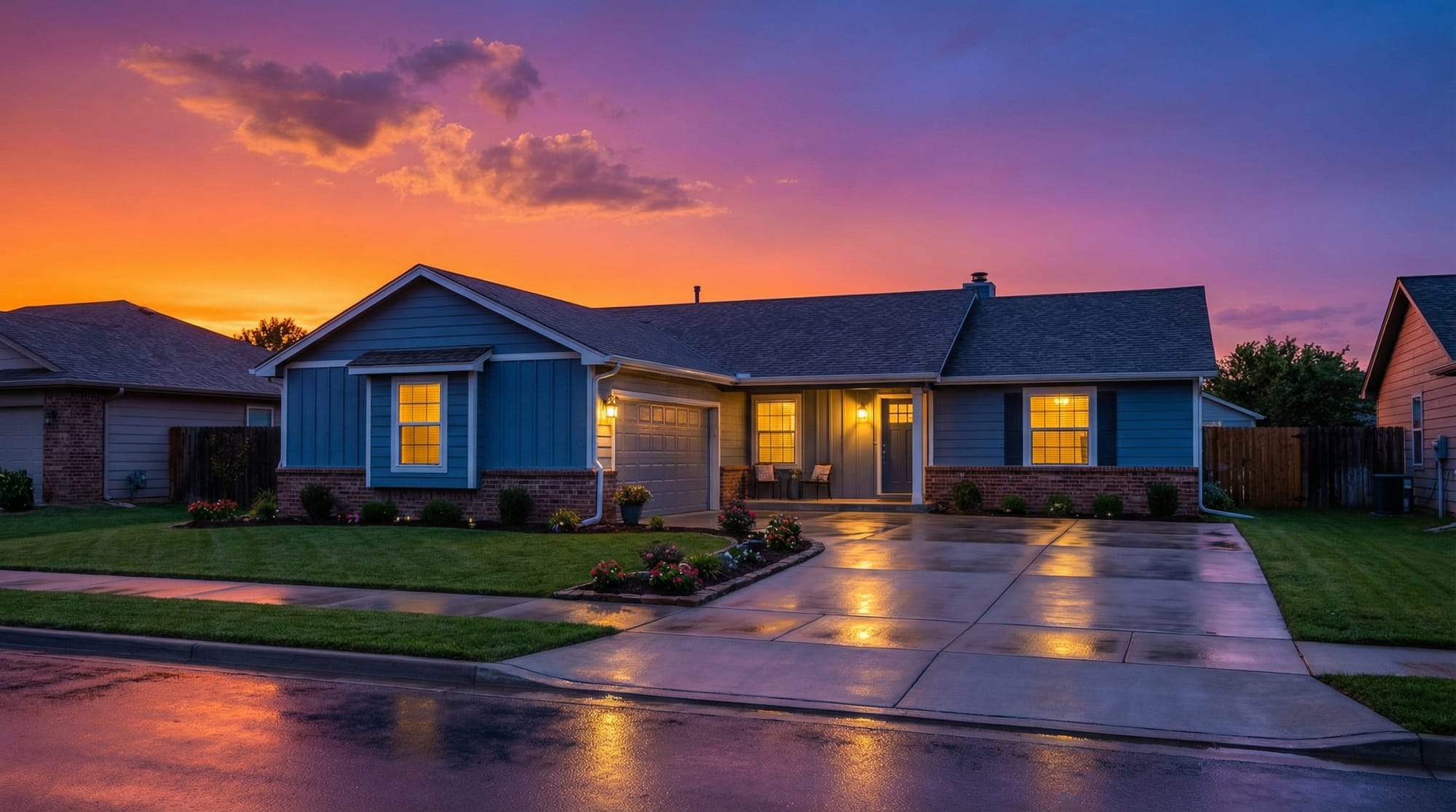
Most Portland homeowners do not think about repainting their exterior until the house starts yelling at them.
Peeling trim. Faded siding. Cracked caulking. Moss creeping around the shady side. South-facing walls looking sun-beaten while the north side looks like it has been living in a rainforest documentary.
That is usually when the question comes up:
“How often should you paint a house exterior in Portland?”
The honest answer is: most Portland homes need exterior painting every 7 to 10 years, but some need attention sooner depending on siding type, exposure, previous prep quality, paint system, and how much moisture the home deals with.
That range is not a magic number. Portland weather does not care what the paint label promised. Rain, humidity, mildew, UV exposure, cedar movement, failed caulking, and poor previous prep can all shorten the life of an exterior paint job.
If your paint is starting to fail, the goal is not just to make the house look better. The goal is to protect the siding before repairs get expensive. That is where professional Portland exterior painting services can help you figure out whether your home needs a full repaint, targeted maintenance, or a deeper look at the coating system.
Things to Know
- Most Portland homes need exterior repainting every 7 to 10 years.
- Wood siding, cedar, older trim, and sun-exposed elevations may need attention sooner.
- Peeling, cracking, bubbling, chalking, mildew, and failed caulk are warning signs.
- Waiting too long can turn a paint project into siding repair, trim replacement, or moisture damage.
- A good repaint lasts longer when prep, primer, caulking, and product choice are handled correctly.
Typical Repaint Cycles in Portland
Exterior paint longevity depends heavily on siding material and weather exposure.
Typical repaint cycles for Portland homes include:
| Siding Type | Average Repaint Cycle |
| Wood siding | 7–10 years |
| Cedar siding | 6–9 years |
| Fiber cement siding | 10–12 years |
| Stucco | 10–15 years |
| Aluminum siding | 8–12 years |
Why Portland Homes Need Exterior Paint More Often Than People Think
Portland is not the harshest climate in the country, but it is sneaky.
We do not get extreme desert sun every day. We do not get brutal Midwest freeze-thaw cycles like clockwork. But we do get long wet seasons, high humidity, moss, shaded elevations, and enough summer sun to beat up exposed siding and trim.
That combination creates exterior paint problems in a very Portland way.
The south and west sides of a home usually take more UV exposure. Those sides may fade, chalk, and dry out faster. The north and east sides often stay damp longer, especially if trees, shrubs, fences, or neighboring homes block airflow. Those areas are more likely to grow mildew, collect grime, and hold moisture.
So when people ask how long exterior paint should last here, the better question is:
“What parts of the house are aging faster?”
Because your house exterior does not usually fail evenly. One side may look fine while another side is already waving a little white flag.
The General Rule: Repaint Every 7 to 10 Years
For a typical Portland-area home, a properly prepared exterior paint job should often last around 7 to 10 years.
That assumes:
- The siding was washed and prepped correctly.
- Loose paint was scraped and sanded.
- Bare wood was primed.
- Cracks and gaps were caulked properly.
- The right paint was used for the surface.
- Weather conditions were appropriate during application.
- The previous coating was not already failing badly underneath.
That last one matters.Paint is not a magic blanket. If the surface underneath is compromised, the new coating may look great for a season or two, then start failing early. That is why prep is not the boring part of painting. Prep is the damn job. The paint is just the visible finish.
Repaint Timing by Surface Type
Different materials age differently. Here is the practical way to think about it.
Wood Siding
Wood siding usually needs the most attention because it expands, contracts, absorbs moisture, and depends heavily on paint for protection.
In Portland, painted wood siding often needs repainting every 7 to 9 years, sometimes sooner if the home has heavy exposure, poor drainage, old coatings, or failing caulk joints.
Cedar siding can be beautiful, but it is not low-maintenance. If cedar is not properly prepped and primed, especially where tannins or bare wood are exposed, the coating can fail faster than expected.
Fiber Cement Siding
Fiber cement siding, like Hardie-style siding, can hold paint well when installed and painted correctly. Many homes with fiber cement siding may push closer to the 8 to 12 year range.
That said, trim, fascia, doors, and other wood details may still need attention sooner than the siding itself.
Stucco or Masonry
Painted stucco and masonry can last a long time, but moisture movement and cracking matter. Hairline cracks, trapped moisture, or poor previous coatings can shorten the lifespan.
These surfaces need the right paint system. Throwing the wrong coating over masonry is like wearing a rain jacket inside out. Technically clothing. Functionally nonsense.
Trim, Fascia, and Doors
Trim usually fails before siding.
Fascia boards, window trim, corner boards, belly bands, garage trim, and exterior doors take a beating. These areas often have more exposed edges, joints, seams, and water pathways.
Even if your siding can wait, trim may need maintenance before the whole house needs repainting.
Signs Your Portland Home Needs Exterior Painting Soon
The calendar helps, but the siding tells the truth.
Here are the signs we would pay attention to first.
Peeling Paint
Peeling paint means adhesion has failed. Once paint starts lifting, moisture can get behind the coating and spread the problem.
Small peeling areas may be repairable. Widespread peeling usually means the paint system is breaking down and needs a more complete repaint plan.
Cracked or Failed Caulking
Caulk is one of the most overlooked parts of exterior maintenance.
When caulk splits around windows, trim, corners, doors, or siding transitions, water gets into places it should not. That can lead to swelling, rot, staining, or hidden damage.
If the caulk is cracked, shrinking, or pulling away, your paint system is no longer sealed properly.
Chalking
Chalking is that powdery residue you see when you rub your hand across faded siding.
A little chalking is normal as paint ages. Heavy chalking means the coating is breaking down. If paint is applied over chalking without proper washing and prep, the new coating may not bond well.
Fading
Fading is common on sun-facing sides of the home. Fading by itself is not always an emergency, but it can be a sign that the coating is losing strength.
If fading is paired with chalking, cracking, or exposed areas, it is time to look closer.
Mildew, Moss, or Algae
Portland homes, especially shaded ones, often collect mildew or moss. Growth on the surface does not always mean the paint has failed, but it does mean moisture is hanging around.
If mildew keeps returning quickly after cleaning, there may be airflow, drainage, shade, or coating issues contributing to the problem.
Exposed Wood
This is the big one.
Once bare wood is exposed, the clock starts ticking. Wood absorbs moisture. Moisture creates movement. Movement breaks more paint. Then the cycle gets ugly.
If you see exposed wood, especially on trim, siding edges, fascia, or window areas, do not ignore it.
For a deeper diagnosis, our common exterior paint failure problems page breaks down what causes peeling, bubbling, cracking, and early coating failure on Portland homes.
Why Waiting Too Long Gets Expensive
A repaint is not just cosmetic. It is protection.
When paint fails, water has more access to siding and trim. That can lead to:
- Soft or rotten trim boards
- Swollen siding edges
- Failed window trim
- Open seams
- Mildew staining
- Primer failure
- More scraping and sanding
- Higher labor costs
- Carpentry repairs before painting
This is where homeowners accidentally spend more by waiting.
A house that could have been cleaned, spot-primed, caulked, and repainted may turn into a larger repair project if the coating is neglected too long.In our experience, the sweet spot is repainting before the home looks terrible. Once the house looks obviously rough from the street, the prep bill has usually already grown teeth.
How to Check Your Exterior Paint Without Overthinking It
You do not need to inspect your house like a building scientist with a clipboard and a superiority complex. Start simple.
Walk around the home and look for:
- Peeling or lifting paint
- Cracked caulk around trim and windows
- Soft or darkened wood
- Heavy mildew or green growth
- Bare wood
- Paint that rubs off as powder
- Gaps where siding meets trim
- Blistering or bubbling paint
- Areas where water drains or splashes repeatedly
Pay extra attention to:
- South-facing walls
- West-facing walls
- Shaded north-facing walls
- Trim near gutters
- Window sills
- Garage trim
- Fascia boards
- Lower siding near landscaping
- Deck-adjacent walls
Optional homeowner note: if you are checking loose edges yourself, a basic painter’s tool for gently testing peeling paint can help, but do not start digging into siding like you are excavating dinosaur bones. The goal is to inspect, not damage the surface.
If you want a more formal review, Lightmen Painting offers an Exterior Condition Report to help identify where the exterior is holding up, where it is failing, and what should be prioritized.
Not Sure If Your House Needs Paint Yet?
If your exterior is starting to show peeling, fading, cracked caulk, mildew, or bare wood, you do not have to guess.You can request an exterior painting estimate and have Lightmen Painting look at the condition of your siding, trim, and coating system before small failures become expensive repairs.We serve homeowners throughout the Portland metro area, including Beaverton, Tigard, Tualatin, Lake Oswego, West Linn, Milwaukie, Oregon City, Happy Valley, Hillsboro, Sherwood, Clackamas, Wilsonville, and nearby areas.
What Makes an Exterior Paint Job Last Longer?
Two homes can be painted the same year and age completely differently.
The difference usually comes down to preparation, product choice, and whether the paint was applied under the right conditions.
Proper Washing
Paint does not bond well to dirt, mildew, chalk, or grime. Exterior washing is not just about making the house look clean before painting. It is about creating a surface that can actually hold paint.
Scraping and Sanding
Loose paint has to go. Painting over loose edges is one of the fastest ways to get early failure.
Good prep includes removing failing paint, smoothing rough edges where appropriate, and making sure the surface is sound before primer or paint goes on.
Spot Priming Bare Areas
Bare wood should not be covered with finish paint alone. Primer helps seal the surface and create better adhesion.
Skipping primer on bare wood is one of those shortcuts that looks fine at first and then comes back later like a raccoon in the attic.
Correct Caulking
Exterior caulk needs flexibility and durability. It also needs to be applied in the right places.
Too little caulk leaves gaps. Too much caulk in the wrong areas can trap moisture. The goal is to seal vulnerable joints while allowing the exterior system to behave properly.
Right Paint for the Surface
Not every exterior paint is right for every surface. Siding type, age, previous coating, exposure, and condition all matter.
A good exterior repaint should match the coating system to the home, not just grab whatever product has the prettiest label.
Weather-Aware Scheduling
Portland exterior painting depends heavily on weather windows. Paint needs proper temperature, dry time, and surface conditions.
That does not mean exterior painting only happens during perfect weather. It means scheduling has to be realistic. Moist siding, rain too soon after application, or poor dry time can shorten the lifespan of the job.
Our prep-first painting process is built around this idea: the finish only performs as well as the surface underneath it.
Practical Decision Guide: Repaint, Repair, or Monitor?
Use this simple guide.
You Can Probably Monitor It If:
- Paint is slightly faded but still intact.
- Caulk is mostly sound.
- There is no exposed wood.
- No peeling or bubbling is visible.
- Mildew cleans off and does not return quickly.
- The home was painted within the last few years.
In this case, annual washing or light maintenance may be enough for now.
You May Need Maintenance If:
- Trim has small peeling areas.
- Caulk is starting to split in isolated spots.
- One side of the home is aging faster.
- A few areas show bare wood.
- Mildew is building up on shaded elevations.
- Fascia or window trim is starting to look rough.
This is where targeted work may help extend the life of the paint system.
You Should Consider Repainting If:
- Multiple sides are fading, chalking, or peeling.
- Caulk failure is widespread.
- Bare wood appears in several areas.
- Paint is bubbling or cracking.
- The home has not been painted in 8–10 years.
- You are preparing to sell.
- You want to avoid more expensive repairs later.
If your home is already showing several of these signs, it is probably time to plan the project.
Common Mistakes Homeowners Make With Exterior Repainting
Waiting Until Paint Is Falling Off
This is the big one.If paint is already peeling everywhere, the repaint will require more labor, more prep, and possibly more repair work.
Earlier maintenance usually costs less than late-stage rescue work.
Judging the Whole House From the Front
The front elevation may look fine while the back or side of the home is failing.
Always walk the full exterior. Portland homes love hiding problems on shaded walls, near landscaping, and behind fences.
Ignoring Caulk Failure
Caulk failure is often the early warning sign before visible paint failure gets worse.
If joints are opening, water has an invitation. And water always RSVP’s.
Choosing Paint Based Only on Color
Color matters, obviously. But product choice, sheen, primer, and prep matter more for durability.
A beautiful color over a poorly prepared surface is just expensive disappointment.
Hiring Based Only on the Lowest Bid
Exterior painting is labor-heavy. If one bid is dramatically cheaper, something is probably missing.
Usually it is prep, primer, caulking, insurance, warranty, communication, or enough time to do the job correctly.
In Our Experience
Most Portland homeowners wait about one to two years too long before repainting.
Not because they are careless. It is because exterior failure starts quietly. A little cracking here. A little fading there. One piece of trim starts peeling. Then winter hits, moisture gets in, and by spring the problem is bigger.
The homes that hold up best are the ones where owners pay attention before the coating fully fails. They do not panic over every faded wall, but they also do not ignore bare wood, cracked caulk, and peeling trim.
For Portland homes, the smartest repaint schedule is not based only on age. It is based on condition.
Local Portland Takeaway
So, how often should you paint a house exterior in Portland?For most homes, plan on every 7 to 10 years.
But if your home has wood siding, exposed trim, heavy shade, lots of moisture, older coatings, or strong sun exposure, start checking closely around year 5 or 6.
The best time to repaint is before the exterior looks destroyed. That is when you still have control over the scope, cost, and protection of the home.
If you are seeing peeling paint, bare wood, cracked caulk, mildew, fading, or chalking, it is worth getting the exterior looked at before another wet season does what wet seasons do.
Protect Your Exterior Before Portland Weather Makes the Decision for You
If your home is starting to show peeling paint, cracked caulk, faded siding, mildew, or exposed wood, now is the time to look at it.
Not after another wet season. Not after the trim gets soft. Not after the paint starts coming off in sheets like a bad sunburn.
Lightmen Painting helps Portland metro homeowners understand what their exterior actually needs: repainting, maintenance, repair planning, or a closer condition review.
Schedule your exterior review or painting estimate here:
https://www.lightmenpainting.com/estimates
Lightmen Painting
Portland metro exterior painting
503-389-5758
CCB# 228370
-
People Also Ask:
How often should you repaint a house exterior in Portland?
Most Portland homes need exterior repainting every 7 to 10 years. Homes with wood siding, heavy sun exposure, moisture issues, failing caulk, or older coatings may need attention sooner. The best approach is to inspect the siding and trim regularly instead of relying only on the calendar.
What are the first signs my house needs exterior painting?
The first signs usually include fading, chalking, cracked caulk, peeling paint, mildew growth, and exposed wood. In Portland, shaded sides of the home may show mildew or moisture issues, while sunny sides often fade and chalk faster.
Is peeling paint a serious problem?
Yes. Peeling paint means the coating has lost adhesion. Once paint lifts, moisture can get behind the coating and spread the failure. Small peeling areas may be repairable, but widespread peeling usually means the exterior needs a more complete repaint plan.
What time of year is best for exterior painting in Portland?
Exterior painting in Portland usually works best during drier weather windows when temperatures and surface conditions allow proper curing. Late spring, summer, and early fall are often the most predictable seasons, but the actual schedule depends on rain, humidity, temperature, and surface moisture.
Can I wait another year to paint my house?
Maybe, but it depends on the condition. If the paint is only slightly faded and the caulk is still intact, waiting may be fine. If you see peeling, bare wood, cracked caulk, bubbling, or moisture damage, waiting another year can make the project more expensive.
-
Resources:
- Exterior Paint Condition Report (How it works)
- Exterior Painting Services
- Paint Project Cost Calculator
- Painting ROI Calculator (optional add)
Definitions
- Exterior painting Painting the outside surfaces of a home, including siding, trim, fascia, doors, and other exterior details.
- Paint failure When paint stops performing properly, often shown by peeling, cracking, bubbling, chalking, or flaking.
- Chalking A powdery residue that forms when exterior paint breaks down from age, UV exposure, or weather.
- Caulk failure When exterior caulk cracks, shrinks, splits, or pulls away from joints, allowing water into vulnerable areas.
- Bare wood Exposed wood that is no longer protected by primer or paint and can absorb moisture.
- Exterior Condition Report A review of exterior siding, trim, paint, caulk, and failure points to help prioritize maintenance or repainting.
- Primer A preparatory coating used to seal surfaces and improve paint adhesion, especially on bare wood or repaired areas.
- Siding exposure The amount of sun, rain, wind, shade, and moisture a side of the house receives.
- Mildew growth Surface growth caused by moisture and organic buildup, common on shaded or damp Portland exterior surfaces.
- Prep work The cleaning, scraping, sanding, caulking, priming, and repair steps done before painting.
Do You Have Questions? Give Us A Call!
If you’re in the Portland, OR metro area and you want:
a clean plan before repainting, or
help diagnosing exterior paint failures, or
a crew that resolves issues like adults or
You Just Have Questions…
Here’s the easiest path:
Call: 503-389-5758
Lightmen Painting Serving: Portland, Tigard, Lake Oswego, Tualatin, West Linn, Milwaukie, Sherwood, Happy Valley, Oregon City, Beaverton, Hillsboro, Gresham