How to Choose and Paint Vinyl Front Doors: A Complete Guide
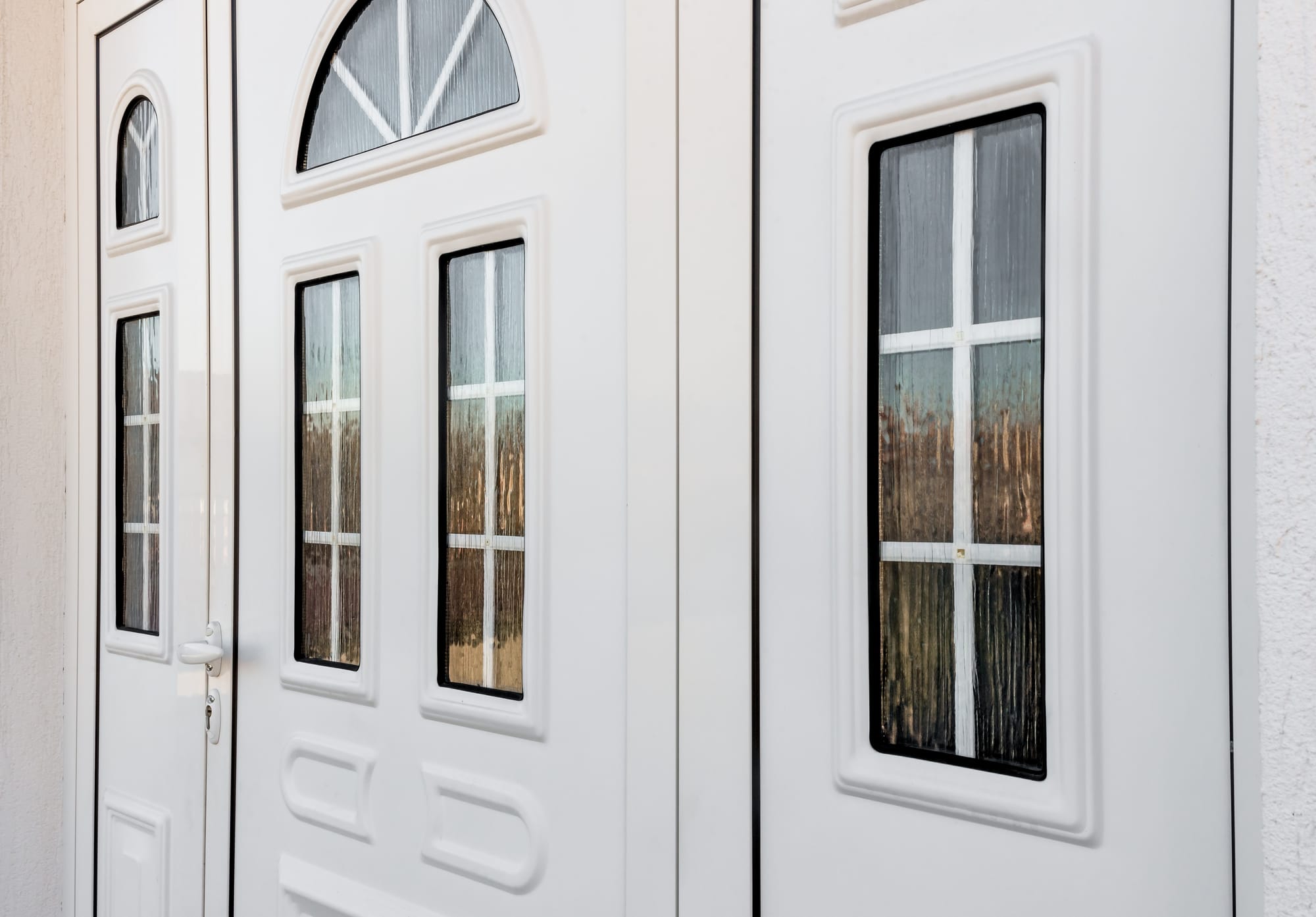
Key Features:
- Specialized Paint: Essential for longevity.
- Proper Preparation: Crucial to successful outcomes.
- Regular Maintenance: Ensures lasting aesthetics.
Why Should You Paint Your Vinyl Front Door?
We know your front door says a lot about your home. Painting vinyl front doors, however, requires specific techniques and products to ensure lasting, vibrant results. Our complete guide will walk you step-by-step through choosing the right paint, prepping your door, and applying a flawless finish that withstands the elements.
Painting your vinyl front door provides numerous benefits:
- Enhanced Curb Appeal: Instantly upgrade the look of your home.
- Cost-Effective Makeover: Cheaper than replacing your door entirely.
- Protection Against Elements: Specialized paints offer UV protection and durability.
Can You Actually Paint Vinyl Doors?
Absolutely! Vinyl doors can be painted successfully when you follow proper preparation and use suitable products. Unlike wooden or metal doors, vinyl requires specific paint that adheres properly and expands with temperature changes.
Things to Know:
- Always check paint labels for vinyl compatibility.
- Avoid dark colors to prevent damage.
- Regular cleaning prolongs paint life.
- Preparation is as crucial as painting itself.
- Professional painting services save time and ensure high-quality results.
Best Paints for Vinyl Doors
Selecting the right paint is critical:
- Acrylic Latex Paint: Highly recommended for flexibility and adhesion.
- Exterior Paint with UV Protection: Protects against sun damage.
- Sherwin-Williams VinylSafe®: Specifically formulated to resist warping.
Step-by-Step Guide to Painting Your Vinyl Door
Step 1: Choose the Right Paint
- Use products specifically designed for vinyl, like Sherwin-Williams VinylSafe®.
- Select lighter colors to prevent overheating and warping.
Step 2: Proper Preparation
- Thoroughly clean your door with mild detergent.
- Sand lightly to improve paint adhesion.
- Rinse and let it dry completely.
Step 3: Prime for Success
- Apply a quality primer compatible with vinyl surfaces, if required by your paint brand.
Step 4: Painting Techniques
- Use a high-quality brush or roller.
- Apply thin, even coats to avoid drips and runs.
- Let each coat dry thoroughly between applications (typically 2-3 coats).
In Our Experience
At Lightmen Painting, we've painted countless vinyl doors across Portland. The difference between a lasting finish and a peeling disaster always boils down to meticulous preparation and using vinyl-specific paints like Sherwin-Williams VinylSafe®.
Common Mistakes to Avoid
- Skipping Prep Work: Poor prep results in peeling paint.
- Choosing Dark Colors: Can cause overheating and warping.
- Using Interior Paint: Won’t withstand outdoor conditions.
Maintenance Tips After Painting Your Vinyl Door
- Regularly clean with mild soap and water.
- Check annually for touch-ups.
- Repaint every 5-7 years to maintain vibrancy.
Do You Have Questions? Give Us A Call With Any & All! 503-389-5758
-
People Also Ask:
What are the main differences between acrylic and latex paint?
Acrylic paint is known for its durability and flexibility, making it suitable for outdoor environments and areas exposed to harsh conditions. It's made with a synthetic resin that helps it withstand the elements. Latex paint, on the other hand, is water-based and popular for indoor walls and ceilings due to its quick-drying nature and ease of cleanup.
Why should I choose low-VOC paints for indoor projects?
Low-VOC (Volatile Organic Compounds) paints are recommended for indoor projects because they emit fewer harmful chemicals into the air, improving indoor air quality and reducing health risks. These paints are particularly important in enclosed spaces or homes with children, the elderly, or those with respiratory issues.
Can acrylic paint be used indoors as well as outdoors?
Yes, acrylic paint can be used both indoors and outdoors. Its versatility is due to its durable nature, which makes it resistant to weathering and capable of retaining color and finish over time. However, due to its strong odor and chemical composition, proper ventilation is essential when using it indoors.
-
Subscribe to Our Blog & Elevate Your DIY Game! Never miss a beat! Join the Lightmen Painting community and get the latest insights on painting, DIY projects, and expert tips delivered straight to your inbox.
Have something specific in mind? We’d love to hear your ideas! Let us know what topics or projects you’re curious about—your input could shape our next post.

If your in the Portland, Or. area and need advice or a free no obligation estimate call us at 503-389-5758 or email scheduling@lightmenpainting.com
Thanks for stopping by Lightmen Daily! Stay tuned for more practical tips and expert advice on making your painting projects flawless, from wall to floor!
Definitions
- Vinyl Door: A door made from polyvinyl chloride (PVC).
- Curb Appeal: Visual attractiveness of a property from the street.
- Acrylic Latex Paint: Water-based paint known for flexibility and durability.
- Primer: Preparatory coating applied before painting.
- UV Protection: Ability of paint to resist ultraviolet sun rays.
- Adhesion: Paint’s ability to stick to a surface.
- Flexibility: Paint's ability to expand and contract without cracking.
- Paint Durability: Paint's longevity and resistance to weathering.
- Paint Prep: The process of cleaning and sanding a surface before painting.
- VinylSafe® Technology: Sherwin-Williams’ paint technology designed specifically for vinyl surfaces.
Lightmen Painting Serving: Portland, Tigard, Lake Oswego, Tualatin, West Linn, Milwaukie, Sherwood, Happy Valley, Oregon City, Beaverton, Hillsboro, Gresham