Painting Illusions: Exploring Murals and Trompe L'oeil
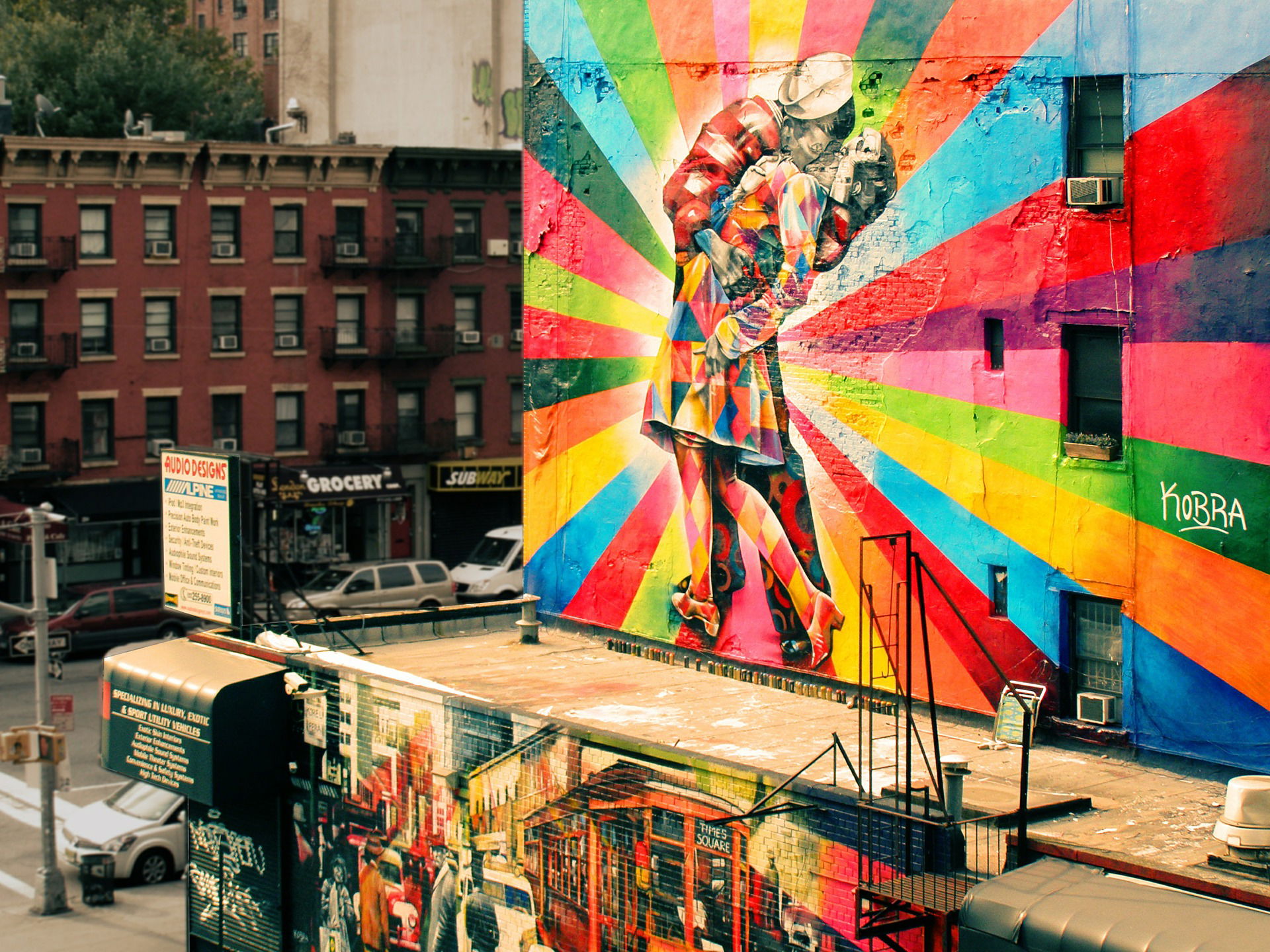
Key Features
- Murals Tell a Story: Murals turn blank walls into custom artwork that can reflect a room’s purpose, brand, personality, history, or visual theme.
- Trompe L’oeil Creates Illusion: Trompe l’oeil uses realistic perspective, shading, and detail to make a flat surface look three-dimensional.
- Surface Prep Still Matters: Even artistic painting depends on clean, smooth, properly prepared walls, ceilings, or exterior surfaces.
- Design Must Fit the Space: A mural should work with the architecture, lighting, furniture, trim, and function of the room.
- Great for Homes and Commercial Spaces: Murals can work in bedrooms, offices, restaurants, retail spaces, schools, hospitality spaces, and feature walls.
- Durability Depends on Materials: Interior and exterior murals need the right primers, paints, sealers, and maintenance expectations.
- Professional Planning Prevents Expensive Mistakes: Scale, color, perspective, moisture, lighting, and wall condition should be considered before the first brushstroke.
Murals and trompe l’oeil painting both use walls as canvases, but they do it in different ways.
A mural usually tells a story or creates a visual scene. It may be bold, abstract, realistic, branded, playful, historic, decorative, or personal.
Trompe l’oeil is more illusion-based. The goal is to “deceive the eye” by making a flat surface look three-dimensional. It uses perspective, shadow, highlights, and realistic detail to trick the viewer for a moment.
Both can completely change a space.
But both also require planning.
A good mural should feel like it belongs in the room.
A good trompe l’oeil should feel believable from the intended viewing angle.
A good decorative painting project should respect the surface underneath it.
That last part matters because no amount of artistic talent fixes a wall that was never ready for paint.
Things to Know
- Murals are best when they fit the room’s purpose, architecture, color palette, and lighting.
- Trompe l’oeil depends on perspective, shadow, realism, and the correct viewing angle.
- Surface prep matters just as much for murals as it does for regular painting.
- Exterior murals need weather-resistant materials and maintenance planning.
- Commercial murals should support brand experience, not just fill wall space.
- Highly personal murals may not be ideal if the home will be sold soon.
- Protective coatings can help in high-touch areas, but they should be chosen carefully to avoid unwanted glare.
- A great mural starts with a clear concept before paint ever touches the wall.
What Is a Mural?
A mural is a large-scale painting applied directly to a wall, ceiling, or other architectural surface.
Murals can be used to:
- Tell a story
- Create a theme
- Add personality
- Support a brand
- Make a room memorable
- Create a focal point
- Highlight local culture
- Add visual depth
- Make a commercial space more engaging
- Turn a blank wall into something intentional
Murals are common in homes, schools, restaurants, offices, retail spaces, cafés, gyms, churches, community spaces, and hospitality environments.
In a home, a mural might be used in:
- A child’s bedroom
- A nursery
- A home office
- A dining room
- A stairwell
- A basement
- A game room
- A feature wall
- A creative studio
In a commercial space, murals can help with:
- Branding
- Customer experience
- Social media photo spots
- Visual storytelling
- Interior design
- Wayfinding
- Community identity
- Atmosphere
For businesses, murals can be more than decoration. They can become part of the customer experience. A good mural can make people stop, take photos, remember the space, and connect the room with the brand.
That is not just art. That is marketing with paint on its boots.
What Is Trompe L’oeil?
Trompe l’oeil is a painting technique that creates the illusion of three-dimensional objects or spaces on a flat surface.
The phrase is French for “deceive the eye.”
Common trompe l’oeil ideas include:
- Painted windows
- Faux archways
- Stone or brick effects
- Painted columns
- Faux bookshelves
- Sky ceilings
- Garden views
- Architectural details
- Niches
- Frames
- Decorative molding illusions
- Painted drapery
- Realistic objects
Unlike a standard mural, trompe l’oeil depends heavily on perspective. The illusion usually works best from a specific viewing position.
That means the artist has to understand:
- Scale
- Perspective
- Light direction
- Shadows
- Highlights
- Depth
- Realism
- Viewing angles
- Architectural alignment
When done well, trompe l’oeil can make a room feel larger, richer, more historic, more whimsical, or more custom.
When done poorly, it can look like someone painted a fake window after losing a fight with geometry.
Murals vs. Trompe L’oeil: What’s the Difference?
Murals and trompe l’oeil overlap, but they are not exactly the same.
Murals
Murals are usually broader visual artworks.
They may be:
- Abstract
- Graphic
- Scenic
- Branded
- Decorative
- Narrative
- Pattern-based
- Cultural
- Illustrative
Murals do not always need to look realistic. They can be stylized, colorful, playful, modern, or symbolic.
Trompe L’oeil
Trompe l’oeil is more focused on realism and illusion.
It often tries to make viewers believe they are seeing:
- Depth
- Texture
- Architecture
- Objects
- Open space
- Material changes
- Realistic shadow and light
A mural can include trompe l’oeil elements, but not every mural is trompe l’oeil.
The easiest way to think about it:
A mural tells a story.
Trompe l’oeil plays a visual trick.
Both can be powerful when they fit the space.
Where Murals Work Best in Homes
Murals work best when they have a clear purpose.
Good home mural locations include:
- Kids’ bedrooms
- Nurseries
- Playrooms
- Home offices
- Dining rooms
- Stairwells
- Entryways
- Basements
- Accent walls
- Music rooms
- Creative studios
For homes, the design should usually be personal but not chaotic.
A nursery mural might use soft colors and calm imagery.
A kid’s room may allow more playfulness.
A dining room mural may lean elegant or scenic.
A home office mural may support creativity or focus.
An entry mural should make a strong first impression without punching guests in the face visually.
If you are pairing a mural with fresh paint in surrounding rooms, it helps to plan the full palette. Lightmen Painting’s residential painting services can help connect wall color, trim, sheen, and overall finish quality.
Where Murals Work Best in Commercial Spaces
Commercial murals can be extremely effective when used correctly.
They work well in:
- Restaurants
- Cafés
- Retail stores
- Offices
- Waiting rooms
- Gyms
- Breweries
- Salons
- Hotels
- Schools
- Churches
- Community buildings
- Apartment common areas
- Commercial lobbies
For businesses, murals can support:
- Brand identity
- Customer photos
- Interior atmosphere
- Local storytelling
- Employee culture
- Visual wayfinding
- Memorable design
- Social media engagement
A mural in a commercial space needs to do more than look cool. It should support the function of the space.
A restaurant mural should fit the dining experience.
A retail mural should support the brand.
An office mural should not distract from the work environment.
A lobby mural should make the business look polished, not like it lost a bet.
For business spaces, murals often pair with broader commercial painting services in Portland, especially when walls, trim, ceilings, doors, and common areas need to be refreshed at the same time.
Why Surface Prep Matters for Murals
A mural is only as good as the wall underneath it.
Before mural work begins, the surface may need:
- Cleaning
- Dust removal
- Grease removal
- Drywall repair
- Sanding
- Texture correction
- Stain blocking
- Priming
- Moisture review
- Caulking nearby trim
- Base coat painting
- Layout marking
If the wall has damage, stains, peeling paint, failed patches, or old texture problems, those issues should be handled before artwork begins.
Otherwise, the finished mural may show:
- Bumps
- Cracks
- Patch lines
- Uneven sheen
- Poor adhesion
- Color inconsistency
- Staining
- Peeling
- Texture problems
This is where painting and art meet construction reality.
A beautiful mural on a poorly prepared wall is still a poorly prepared wall. It just has a more expensive problem painted on top of it.
Lightmen Painting’s prep-first painting process is important for projects like this because specialty wall finishes need a stable surface before the creative work starts.
Choosing the Right Paint and Materials
Murals and trompe l’oeil projects need the right materials for the location and surface.
Interior murals may require:
- Quality interior paint
- Artist acrylics
- Primer
- Base coats
- Matte or satin finishes
- Clear protective coating, when appropriate
- Low-VOC products in occupied spaces
Exterior murals may require:
- Exterior-grade primer
- Exterior acrylic paints
- UV-resistant coatings
- Mildew-resistant materials
- Masonry-compatible coatings if needed
- Clear protective topcoat in some cases
- Proper weather timing
High-touch murals may need:
- More durable paint
- Washable finish
- Protective clear coat
- Lower-sheen glare control
- Maintenance planning
Commercial murals may need:
- Durable coating systems
- Brand color matching
- Low-odor products
- Schedule-sensitive application
- Protection for floors and fixtures
- Coordination with business hours
This is also where basic prep supplies matter. If you are doing a small DIY accent mural, simple tools like quality painter’s tape and wall prep supplies can help keep layout lines cleaner and protect surrounding surfaces.
Still, for larger mural or trompe l’oeil projects, the biggest “tool” is planning. The second biggest is patience. The third is not pretending painter’s tape can fix bad measurements.
Color Planning for Murals and Trompe L’oeil
Color matters heavily in specialty painting.
A mural has to work with the room’s existing:
- Wall colors
- Trim color
- Ceiling color
- Flooring
- Lighting
- Furniture
- Cabinets
- Art
- Fixtures
- Natural light
- Artificial light
A mural that looks great in a sketch can feel overwhelming once it fills a wall.
Before committing, consider:
- Will the mural dominate the room?
- Is that the goal?
- Does it work with the furniture?
- Does it clash with trim?
- Does it make the room feel smaller?
- Will the colors age well?
- Is this for personal enjoyment or resale?
- Will it photograph well?
- Does it fit the room’s purpose?
For commercial spaces, also ask:
- Does it fit the brand?
- Will customers want to take photos?
- Is it too distracting?
- Does it support the customer experience?
- Will it still look good in five years?
Great mural design has personality without becoming visual noise. Nobody wants a wall that screams over the furniture.
The Mural Design Process
A good mural project usually follows a clear process.
1. Discovery
This is where the idea gets clarified.
Questions include:
- What is the purpose of the mural?
- Who will see it?
- What mood should it create?
- What colors should be used?
- Is it personal, decorative, branded, or historic?
- Is it interior or exterior?
- Is it permanent or temporary?
- What is the budget?
- What is the timeline?
2. Surface Evaluation
The wall, ceiling, or surface needs to be checked.
This includes:
- Texture
- Damage
- Moisture
- Stains
- Gloss level
- Existing paint condition
- Accessibility
- Lighting
- Size
- Substrate type
3. Concept Design
The concept may include:
- Sketches
- Color studies
- Reference images
- Layout plans
- Scale drawings
- Digital mockups
- Theme direction
4. Prep and Base Coating
Before artwork begins, the surface should be properly prepared.
This may include:
- Cleaning
- Repairs
- Sanding
- Priming
- Base color application
- Layout grid or projection setup
5. Painting
The mural is painted in stages.
This may include:
- Background blocking
- Major shapes
- Color layering
- Perspective work
- Shading
- Details
- Highlights
- Final corrections
6. Protection and Maintenance Planning
Depending on the project, the mural may need a protective coating or maintenance instructions.
This matters more for:
- Commercial spaces
- Kids’ rooms
- Exterior murals
- High-touch walls
- Restaurants
- Schools
- Public-facing areas
In My Opinion
Murals and trompe l’oeil are at their best when they feel like they belong.
A mural should not look like it was randomly dropped into a room because someone saw something cool online at midnight. It should work with the space. It should support the feeling of the room. It should respect the architecture, lighting, and surfaces.
Trompe l’oeil is even less forgiving. If the perspective is wrong, the illusion dies immediately. No funeral, no warning, just awkward fake bricks staring at you.
The best decorative painting projects combine creativity with discipline. The art matters, but so does the prep, the layout, the scale, the primer, the base coat, and the finish protection.
That is the difference between a wall that looks custom and a wall that looks like it got attacked by ambition.
The Trompe L’oeil Process
Trompe l’oeil is more technical than many standard mural projects because the illusion must be believable.
The process usually includes:
- Identifying the viewing angle
- Measuring the wall or ceiling
- Planning perspective lines
- Matching light direction
- Sketching the illusion
- Testing scale
- Blocking in major shapes
- Layering shadows and highlights
- Adding realistic texture
- Refining edges and details
- Reviewing the illusion from the intended viewpoint
The light source matters.If shadows are painted in the wrong direction, the illusion falls apart. If perspective is off, the viewer feels it even if they cannot explain why.
Trompe l’oeil is not just painting. It is painting with math lurking behind it. Rude, but necessary.
Common Mural Ideas for Portland Homes
Popular mural ideas include:
- Forest scenes
- Mountain landscapes
- Abstract color fields
- Botanical designs
- Soft nursery themes
- Geometric wall art
- Historic-inspired patterns
- Local Portland landmarks
- Children’s storybook scenes
- Garden-inspired walls
- Music or hobby-themed rooms
- Faux windows or archways
- Painted panel effects
- Ceiling sky effects
For Portland homes, murals often work best when they connect to nature, architecture, or personal story without fighting the rest of the home.
A forest mural in a bedroom can feel calming.
A bold abstract mural in a home office can energize the space.
A soft botanical mural in a dining room can feel custom without being too loud.
The trick is scale and restraint.
Not every wall needs to become a national park.
Common Mural Ideas for Portland Businesses
Businesses can use murals to create memorable environments.
Good commercial mural ideas include:
- Brand story walls
- Local neighborhood scenes
- Product-themed artwork
- Hospitality feature walls
- Restaurant atmosphere murals
- Retail photo walls
- Lobby statement pieces
- Office culture walls
- Historical timelines
- Community art themes
- Abstract branded color designs
- Wayfinding graphics
- Apartment common-area murals
For commercial projects, durability matters. Customers, employees, deliveries, furniture, cleaning, and general use can all beat up painted surfaces.
That is why a mural in a business should be planned with the same seriousness as any other commercial painting project.
Planning a mural, decorative wall feature, interior repaint, or commercial space refresh in the Portland metro area? Lightmen Painting can help evaluate the surface, prep needs, paint system, and overall room plan before the project starts. You can request a painting estimate or call 503-389-5758.
Challenges with Murals and Trompe L’oeil
Murals and trompe l’oeil painting can be rewarding, but they are not always simple.
Common challenges include:
- Large wall surfaces
- Working at heights
- Uneven wall texture
- Poor lighting
- Moisture issues
- Color matching
- Scale problems
- Perspective accuracy
- Complex detail work
- Durability concerns
- Schedule limitations
- Business disruption
- Exterior weather exposure
Exterior murals have even more challenges because the artwork has to handle weather, UV exposure, moisture, and surface movement.
Interior murals can have their own issues too, especially in bathrooms, kitchens, kids’ rooms, restaurants, and high-traffic commercial spaces.
The more detailed or realistic the artwork, the more important the planning becomes.
Murals, Resale, and Long-Term Value
Murals can add personality, but they can also be very personal.That matters if you plan to sell the home soon.
For long-term homeowners, a custom mural can make a space feel truly yours.
For resale, it is smarter to be careful.
A tasteful mural can:
- Improve listing photos
- Add character
- Make a room memorable
- Highlight a feature wall
- Create emotional connection
But an overly specific mural can:
- Distract buyers
- Make the room feel smaller
- Narrow buyer appeal
- Create repaint concerns
- Feel dated quickly
If you are preparing a home for sale, a softer decorative feature wall, subtle faux finish, or clean repaint may be a safer choice than a very personal mural.
For pre-listing updates, Lightmen Painting offers painting support for Portland realtors and listing prep, where the goal is making the property look appealing to more buyers, not just one very enthusiastic mural fan.
How to Maintain a Mural
Maintenance depends on the paint, location, and protective coating.
Basic care tips include:
- Avoid harsh cleaners unless approved.
- Dust gently with a soft cloth.
- Keep moisture under control.
- Touch up minor scuffs early.
- Avoid abrasive scrubbing.
- Use protective clear coats where appropriate.
- Keep furniture from rubbing against the wall.
- For exterior murals, inspect for fading, peeling, and water intrusion.
A mural in a hallway or restaurant will need more durability than a mural in a quiet bedroom.
A kids’ room mural may need a washable coating because tiny humans are basically mobile quality-control disasters.
Should You DIY a Mural?
Small, simple murals can be a fun DIY project.DIY may work for:
- Simple geometric designs
- Small accent areas
- Kids’ rooms
- Temporary designs
- Stencil-based murals
- Basic shapes
- Low-risk rooms
Professional help is smarter for:
- Large murals
- Exterior murals
- Detailed artwork
- Trompe l’oeil
- Commercial murals
- High ceilings
- Stairwells
- Brand-specific designs
- Realistic scenes
- High-visibility spaces
- Surfaces needing repair first
If the wall is damaged, textured, glossy, stained, or moisture-prone, get the prep right before touching the artwork.
The worst time to discover a wall needed primer is after you have painted half a forest on it.
People Also Ask
What is trompe l’oeil painting?
Trompe l’oeil is a painting technique that creates the illusion of three-dimensional depth on a flat surface. It uses perspective, shading, highlights, and realistic detail to trick the eye into seeing architectural features, objects, or open space that are not actually there.
What is the difference between a mural and trompe l’oeil?
A mural is a large-scale artwork painted on a wall, ceiling, or surface. Trompe l’oeil is a specific illusion technique that makes flat surfaces look three-dimensional. A mural can include trompe l’oeil elements, but not all murals are trompe l’oeil.
Are murals good for homes?
Murals can be great for homes when they fit the room and the homeowner’s long-term plans. They work well in bedrooms, nurseries, offices, stairwells, playrooms, dining rooms, and feature walls. If you plan to sell soon, choose mural designs carefully so they do not limit buyer appeal.
Are murals good for businesses?
Yes, murals can be excellent for businesses when they support branding, atmosphere, customer experience, and visual identity. Restaurants, retail stores, offices, gyms, cafés, and lobbies can all benefit from a well-designed mural.
Does a mural wall need special prep?
Yes. A mural wall should be clean, smooth, dry, stable, and properly primed or base coated. Damaged drywall, stains, peeling paint, glossy surfaces, or moisture problems should be fixed before mural work begins.
Can Lightmen Painting help with mural or decorative wall projects?
Lightmen Painting can help evaluate the space, prep requirements, paint system, and overall project plan for decorative wall features, interior repainting, commercial refreshes, and specialty painting needs in the Portland metro area. Start with an estimate conversation so the scope is clear.
Definitions
- Mural: A large-scale painting applied directly to a wall, ceiling, or architectural surface, often used to tell a story, create atmosphere, or add visual identity.
- Trompe L’oeil: A French term meaning “deceive the eye,” referring to painting techniques that make flat surfaces appear three-dimensional.
- Decorative Painting: Painting used for visual effect beyond basic wall coverage, including murals, faux finishes, patterns, stencils, textures, and artistic wall treatments.
- Faux Finish: A painting technique that imitates another material, such as stone, marble, plaster, brick, wood, or metal.
- Perspective: The artistic method used to create the appearance of depth, distance, and dimension on a flat surface.
- Vanishing Point: A point in a perspective drawing where parallel lines appear to meet, helping create realistic depth.
- Shading: The use of darker tones to create depth, shadow, and form in painted artwork.
- Highlighting: The use of lighter tones to show where light hits a painted object or surface.
- Base Coat: The first layer of paint applied to prepare the surface color before details, artwork, or additional layers are added.
- Surface Preparation: The cleaning, patching, sanding, priming, and repair work completed before painting begins.
- Primer: A preparatory coating used to improve adhesion, block stains, seal surfaces, or create a consistent base for paint.
- Substrate: The surface being painted, such as drywall, plaster, wood, masonry, metal, or previously painted material.
- Protective Clear Coat: A transparent coating applied over artwork or decorative paint to improve durability, cleanability, or resistance to wear.
- Scale: The size relationship between the artwork and the wall, room, furniture, architecture, or viewer.
- Composition: The arrangement of visual elements within the mural or artwork.
- Viewing Angle: The position from which a mural or trompe l’oeil illusion is intended to be seen most effectively.
- Color Palette: The group of colors selected for a mural, room, or design project.
- Feature Wall: A wall intentionally designed to stand out through paint, wallpaper, mural work, texture, or color contrast.
If you are planning a mural, trompe l’oeil feature, decorative wall treatment, interior repaint, or commercial space refresh in the Portland metro area, Lightmen Painting can help you think through the surface, prep, design fit, paint system, and project scope before the work begins.
The best decorative painting projects do not start with paint. They start with a smart plan.
You can request an estimate from Lightmen Painting, schedule through the Lightmen Painting calendar, or call 503-389-5758.
CCB# 228370.
Lightmen Painting serves Portland, Tigard, Lake Oswego, Tualatin, West Linn, Milwaukie, Sherwood, Happy Valley, Oregon City, Beaverton, Hillsboro, Gresham, and nearby Portland metro communities.