How Portland’s Climate Affects Exterior Paint (And What Homeowners Should Know)
Key Features
- Portland’s long wet season can raise indoor humidity, which affects how interior paint dries, cures, and holds up over time.
- Bathrooms, kitchens, laundry rooms, basements, and window areas are the most vulnerable to peeling paint, mildew, and moisture stains.
- Proper prep, ventilation, and the right interior paint system can dramatically extend the life of your paint job.
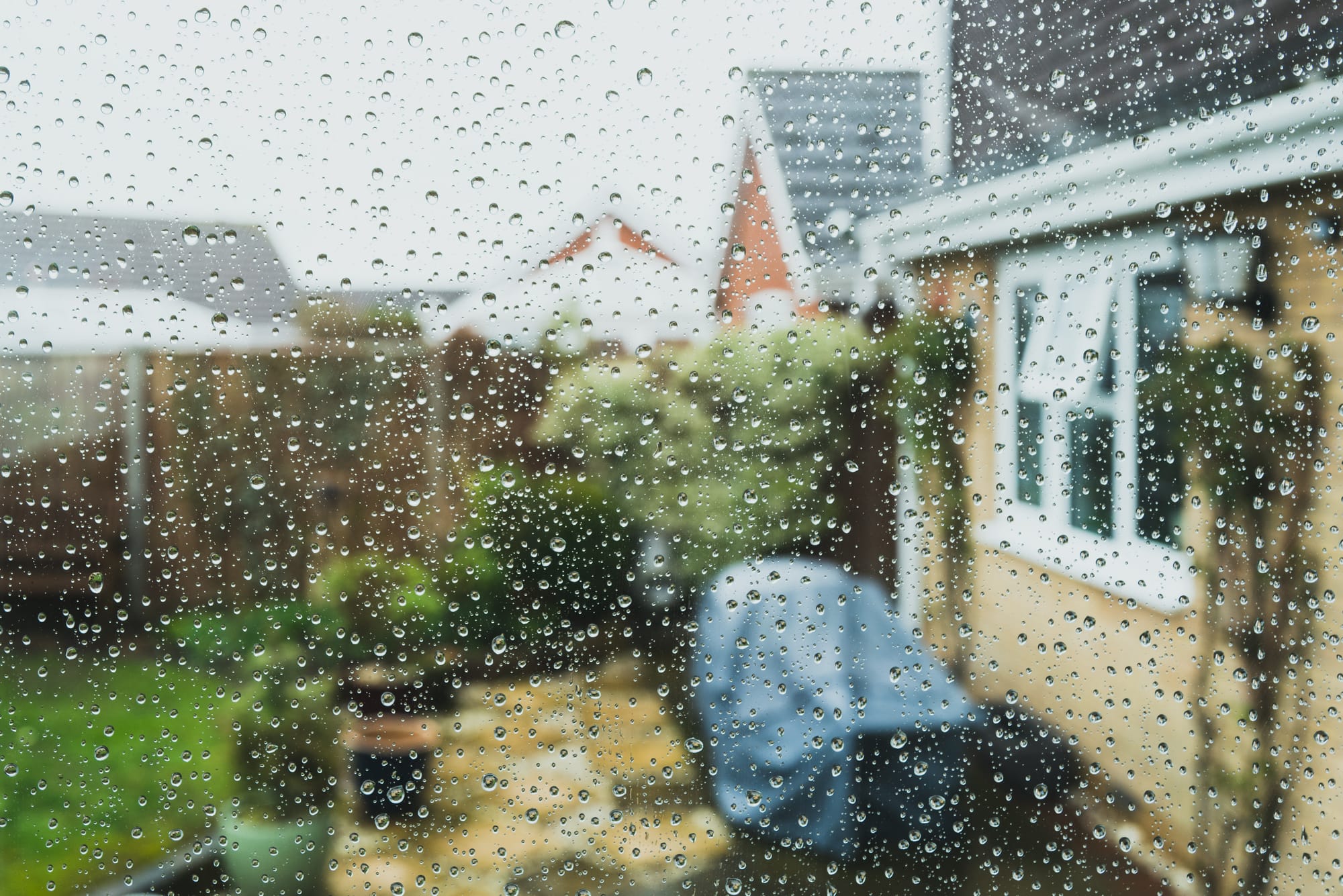
If you own a home in Portland, Oregon, you already know our climate doesn’t stop at the front door. Between long rainy seasons, cool temperatures, heavy moisture in the air, and homes staying closed up for months at a time, the Pacific Northwest creates real challenges for interior paint too.
I’ve worked inside homes all over the Portland metro area—from older Craftsman houses in Laurelhurst to newer homes in Tigard and Lake Oswego—and one thing is clear:
interior paint fails faster here when moisture and ventilation issues aren’t addressed first.
A lot of homeowners think interior paint problems come down to cheap paint or bad color choices. Sometimes that’s true. But in Portland, interior paint often struggles because of humidity, condensation, poor airflow, and seasonal dampness.
The good news? With the right products, proper preparation, and a little planning, your interior paint can still look great and last for years.
Let’s break down exactly how Portland’s climate affects interior paint—and how to prevent the most common problems before they start.
Things to Know
- Bathrooms without strong exhaust fans are one of the biggest trouble spots for interior paint in Portland homes.
- Basements and lower-level rooms often hold moisture longer than homeowners realize.
- Flat paint may look great, but it usually won’t hold up well in high-humidity spaces.
- Primer, ventilation, and moisture control matter just as much as the finish coat.
Why Portland’s Climate Is Tough on Interior PaintPortland may be famous for rain, but the bigger issue for interior paint is what that moisture does inside the home.For much of the year, homes are closed up to keep out cold, wet air. That means less ventilation, slower drying conditions, and more indoor humidity—especially in rooms that already deal with steam, cooking moisture, or damp concrete walls.Over time, that can lead to:
- peeling paint
- mildew spotting
- bubbling near windows
- water stains on ceilings and walls
- paint that feels soft, patchy, or wears out too quickly
In other words, interior paint in Portland has to deal with more than just normal wear and tear.
The 5 Ways Portland’s Climate Damages Interior Paint
1. High Indoor Humidity
When indoor humidity stays elevated for long periods, paint films can soften and lose durability. This is especially common in bathrooms, laundry rooms, kitchens, and basements.Over time, excess humidity can cause:
- poor adhesion
- premature wear
- visible streaking
- peeling around trim and ceilings
2. Condensation on Windows and Exterior Walls
In Portland homes, condensation is a huge issue during the colder months. When warm indoor air meets a cold window or poorly insulated wall, moisture collects.That repeated moisture exposure can damage:
- window trim
- window sills
- drywall near exterior walls
- paint around older single-pane windows
Once paint gets repeatedly wet, bubbling and flaking usually follow.
3. Mold and Mildew Growth
Moisture plus weak airflow is basically a standing invitation for mildew.You’ll often see mildew growth in:
- bathrooms
- laundry rooms
- kitchens
- basement corners
- ceilings above showers
Mildew doesn’t just look bad—it slowly breaks down the coating and can come right back if the root problem isn’t fixed.
4. Slow Drying and Improper Curing
A lot of homeowners don’t realize that interior paint still needs the right conditions to cure properly. During Portland’s damp months, paint may dry slower than expected, especially in rooms with poor airflow.That can lead to:
- tacky finishes
- uneven sheen
- weak durability
- paint that scuffs too easily
Paint might feel dry to the touch, but still not be fully hardened. That’s where people get fooled.
5. Moisture Problems Hidden Behind the Paint
Some paint failures aren’t surface-level at all. Portland homes—especially older ones—can have hidden leaks, minor wall moisture, or poorly vented rooms that push moisture from behind the paint film.That often shows up as:
- bubbling drywall paint
- staining that keeps coming back
- peeling near baseboards
- repeated paint failure in the same area
When that happens, repainting alone won’t solve it. You have to deal with the moisture source first.
In Our Experience
Working inside Portland homes, we see a lot of paint failures that aren’t really “paint problems”—they’re moisture and ventilation problems wearing a paint problem costume. Bathrooms, window trim, laundry rooms, and basement walls are the usual suspects. When the room is prepped correctly, humidity is controlled, and the right paint system is used, interior paint holds up much better and looks cleaner for a lot longer..
Key Features
- Portland’s rainy climate accelerates exterior paint failure if the wrong products are used.
- Moisture, moss, and mildew are the biggest threats to painted surfaces in the Pacific Northwest.
- Proper preparation and high-quality acrylic paint dramatically increase paint lifespan.
If you own a home in Portland, Oregon, you already know the weather here isn’t exactly gentle on houses. Between long rainy seasons, heavy moisture in the air, moss growth, and cool temperatures, the Pacific Northwest climate creates one of the most challenging environments for exterior paint.I’ve worked on homes all over the Portland metro area—from cedar siding houses in Sellwood to historic Craftsman homes in Laurelhurst—and one thing is clear: paint fails faster here if it isn’t done correctly.
Understanding how Portland rain affects exterior paint can save homeowners thousands of dollars and prevent premature repainting. The good news? With the right paint products, preparation, and timing, your exterior paint can still last a long time—even in the rainy Pacific Northwest.Let’s break down exactly what Portland’s weather does to exterior paint and how to prevent the most common problems.
Things to Know
- North-facing walls in Portland often develop mildew faster due to limited sunlight.
- Cedar siding homes require specialized paint systems for moisture protection.
- Painting during the wrong season can shorten paint lifespan dramatically.
- Proper caulking and sealing are just as important as the paint itself.
Why Portland’s Climate Is Tough on Exterior Paint
How much rain does Portland actually get?
Portland averages around 36–40 inches of rainfall each year, and most of it happens between October and May.That means exterior paint must survive:
- months of moisture exposure
- cool temperatures
- long drying cycles
- high humidity
In other words, Portland homes rarely get the dry conditions paint systems love.
What moisture does to paint over time
When paint is exposed to constant moisture, several things can happen:
- water penetrates small cracks in the paint film
- paint loses adhesion to the surface
- mildew and mold begin growing on the coating
- wood siding absorbs moisture and expands
Once this process begins, paint failure accelerates.
The 5 Ways Portland Rain Damages Exterior Paint
1. Moisture Penetration
Exterior paint is designed to shed water, but constant rain can eventually force moisture into tiny cracks or unsealed areas.This is especially common in Portland homes with:
- aging cedar siding
- uncaulked joints
- exposed wood trim
- improperly primed surfaces
Once moisture gets behind the paint film, peeling and bubbling begin.
2. Mold and Mildew Growth
Portland’s damp climate is perfect for mildew.You’ll often see black spotting on:
- north-facing walls
- shaded areas
- under roof overhangs
- siding near landscaping
Mildew doesn’t just look bad—it slowly breaks down the paint coating.
3. Moss Growth
One uniquely Portland problem is moss buildup on siding and trim.Moss traps moisture against paint surfaces, which speeds up paint deterioration.Homes surrounded by trees—very common in Portland neighborhoods—are particularly vulnerable.
4. Slow Drying Paint
Another issue homeowners don’t realize is that Portland’s humidity slows down paint curing.Paint applied in overly damp conditions can:
- fail to bond properly
- dry unevenly
- lose durability
That’s why professional painters are careful about temperature and humidity windows.
5. Wood Expansion and Contraction
Many Portland homes use cedar siding, which expands when wet and contracts when dry.This constant movement stresses the paint film and eventually causes:
- cracking
- splitting
- peeling paint
In Our Experience
Working on homes throughout Portland, we often see paint failures caused not by bad paint—but by moisture issues that weren’t addressed before painting. Homes surrounded by trees or shaded areas are especially prone to mildew buildup. When we prepare and seal surfaces correctly and use the right paint systems for the Pacific Northwest climate, homeowners can easily get a decade or more from a quality exterior paint job.
Which Rooms Are Most Vulnerable?
Some areas of the home take a beating in Portland’s climate.
Bathrooms
Steamy showers, weak fans, and damp walls are a brutal combo for paint.
Kitchens
Cooking moisture, grease, and regular cleaning all wear down paint faster.
Laundry Rooms
Dryers, washers, and poor ventilation can create lingering humidity.
Basements
Cool walls and concrete surfaces often hold moisture longer than the rest of the house.
Window Areas and Exterior-Facing Walls
Condensation and cooler surface temperatures can cause recurring staining or peeling.
Signs Portland’s Climate Is Damaging Your Interior Paint
Most homeowners don’t notice the issue until the paint starts looking rough.
Here are the warning signs to watch for:
Early Paint Failure Indicators
- bubbling or blistering paint
- peeling near windows or ceilings
- mildew spotting
- patchy sheen or dull spots
- cracking at corners or trim joints
- yellow or brown moisture stains
Advanced Paint Failure
- drywall paper lifting
- recurring water stains
- widespread peeling
- soft or damaged wall surfaces
- mold growth returning after repainting
If these issues keep showing up, it’s usually time for more than a touch-up.
How Long Interior Paint Should Last in Portland
A common homeowner question is:
"How often should you repaint interior walls in Portland?"
The answer depends on the room, moisture exposure, and how well the surface was prepared.
| Surface Type | Typical Lifespan |
| Living rooms and bedrooms | 7–10 years |
| Hallways and high-traffic areas | 5–8 years |
| Kitchens and bathrooms | 3–6 years |
| Ceilings | 8–10 years |
| Trim, doors, and baseboards | 5–8 years |
Poor ventilation or hidden moisture can shorten those numbers fast.
The Best Types of Paint for Portland Interiors
Not all interior paints handle Portland conditions equally.
High-Quality Acrylic Latex Interior Paint
Benefits:
- strong adhesion
- better washability
- flexibility in changing indoor conditions
- longer-lasting finish
Mildew-Resistant Paint for Bathrooms and Laundry Rooms
These coatings are designed for moisture-prone rooms and help resist mildew growth better than standard wall paint.For damp spaces, many homeowners like using a mildew-resistant bathroom paint as part of a smarter paint system.
Stain-Blocking Primer
If you’re dealing with water stains, patched drywall, or recurring discoloration, a quality primer is a must before repainting.
The Right Sheen Matters
In Portland homes, sheen selection matters more than people think.
- Flat: best for low-traffic, dry areas
- Eggshell or satin: better for most walls
- Semi-gloss: ideal for trim, bathrooms, and laundry rooms
Using flat paint in a humid bathroom is basically asking for trouble.
When Is the Best Time to Paint Indoors in Portland?
Unlike exterior painting, interior painting can be done year-round—but conditions still matter.
Ideal Conditions for Interior Painting
The best results usually happen when you have:
- controlled room temperature
- good airflow
- low to moderate humidity
- enough time for proper drying between coats
Winter Painting in Portland
Yes, you can absolutely paint indoors during Portland’s rainy season. But you need to pay attention to ventilation, heat, and moisture levels. If the room feels damp, the paint job may suffer.
A dehumidifier and proper airflow can make a huge difference.
How to Protect Interior Paint in Portland’s Climate
Preventing interior paint failure comes down to preparation and moisture control.
Step 1: Fix the Moisture Source First
Before repainting, make sure there are no:
- leaks
- condensation issues
- ventilation failures
- recurring damp spots
Paint is not a magic trick. It won’t beat a hidden leak.
Step 2: Clean the Surface Properly
Any mildew, soap residue, grease, or staining needs to be removed before painting. Otherwise, the new coating may fail early.
Step 3: Use the Right Primer
Primer helps seal porous surfaces, block stains, and improve adhesion.
This is especially important for:
- repaired drywall
- stained ceilings
- bathroom walls
- previously damaged areas
Step 4: Choose the Right Finish for the Room
The sheen should match the abuse the room takes. Durable finishes hold up better in areas that see moisture and repeated cleaning.
Step 5: Improve Ventilation
Exhaust fans, open windows when possible, and dehumidifiers all help interior paint last longer.
In bathrooms especially, airflow is half the battle.
Why Professional Interior Painters Matter in Portland
Painting interiors in the Pacific Northwest takes more than rolling color on a wall and hoping for the best.
Professional painters understand:
- how to spot moisture-related paint failure
- when a stain needs primer, not just repainting
- which products hold up best in humid rooms
- how to prep damaged surfaces correctly
- how to avoid repeat failures in bathrooms, basements, and window areas
Those details are what separate a paint job that lasts from one that starts peeling again next winter.
Do You Have Questions? Give Us A Call!
If you’re in the Portland, OR metro area and you want:
a clean plan before repainting, or
help diagnosing exterior paint failures, or
a crew that resolves issues like adults or
You Just Have Questions…
Here’s the easiest path:Request an estimate:
Email: scheduling@lightmenpainting.com
Call: 503-389-5758
Want to Learn How to Paint Like a Pro?
Whether you're a DIY enthusiast or dreaming of starting your own painting business, we've got you covered! Lightmen Painting now offers exclusive online Painting Courses designed to teach you real-world skills from real professionals. From prep work to perfect brush technique, we break it all down step-by-step.
👉 Check out the courses here: Lightmen Courses
Take the first step—level up your skills and paint with confidence. Let’s roll!
-
People Also Ask:
Does rain ruin exterior paint?
Rain doesn’t damage cured paint, but applying paint during wet conditions can prevent proper bonding and cause early paint failure.
How often should houses be painted in Portland?
Most Portland homes need repainting every 7–12 years depending on siding type and exposure to moisture.
What paint lasts the longest in rainy climates?
High-quality 100% acrylic exterior paint designed for moisture resistance performs best in wet environments like the Pacific Northwest.
-
Subscribe to Our Blog & Elevate Your DIY Game! Never miss a beat! Join the Lightmen Painting community and get the latest insights on painting, DIY projects, and expert tips delivered straight to your inbox.
Have something specific in mind? We’d love to hear your ideas! Let us know what topics or projects you’re curious about—your input could shape our next post.
Transform Your Space — Or Just Look Like You Know What You're Doing.
Ready to upgrade your painting game? From pro-approved tools to field-tested templates, the Lightmen Shop has the stuff the pros don’t want you to find.
Click in, gear up, and paint smarter.
If your in the Portland, Or. area and need advice or a free no obligation estimate call us at 503-389-5758 or email scheduling@lightmenpainting.com
Resources:
- Exterior painting services in Portland
- Best exterior paint for Portland weather
- When is the best time to paint a house in Portland
- Cedar siding painting tips for Portland homes
- Exterior painting cost guide for Portland homeowners
Definitions
- Exterior Paint-Protective coating applied to the outside surfaces of a home.
- Acrylic Latex Paint-A flexible, durable paint commonly used for exterior surfaces.
- Paint Adhesion-The ability of paint to bond properly to a surface.
- Mildew-A type of fungus that grows on damp painted surfaces.
- Paint Blistering-Bubbles that form when moisture becomes trapped under paint.
- Primer-Base coat applied before paint to improve adhesion.
- Cedar Siding-Wood siding common in Portland homes that requires sealing before painting.
- Paint Failure-When paint begins peeling, cracking, or deteriorating.
- Pressure Washing-Cleaning surfaces with high-pressure water before painting.
- Exterior Repaint Cycle-The expected lifespan of an exterior paint job before repainting is needed.
Lightmen Painting Serving: Portland, Tigard, Lake Oswego, Tualatin, West Linn, Milwaukie, Sherwood, Happy Valley, Oregon City, Beaverton, Hillsboro, Gresham
Portland homeowners frequently search for information about how Portland rain affects exterior paint, especially when dealing with peeling paint, mildew, or early paint failure. The Pacific Northwest climate creates unique challenges for exterior painting because constant moisture, heavy rainfall, and cooler temperatures can shorten paint lifespan if the wrong materials or techniques are used. Understanding how rain, humidity, moss growth, and moisture exposure affect exterior coatings helps homeowners choose the right Portland exterior painting strategy. Proper preparation, including pressure washing, sealing wood siding, and applying high-quality acrylic exterior paint, helps protect homes from rain damage. Hiring experienced Portland exterior painters ensures the paint system is designed for local weather conditions and lasts longer despite the region’s wet climate.