The Ins and Outs of Painting Historic / Older Homes — What’s Different?
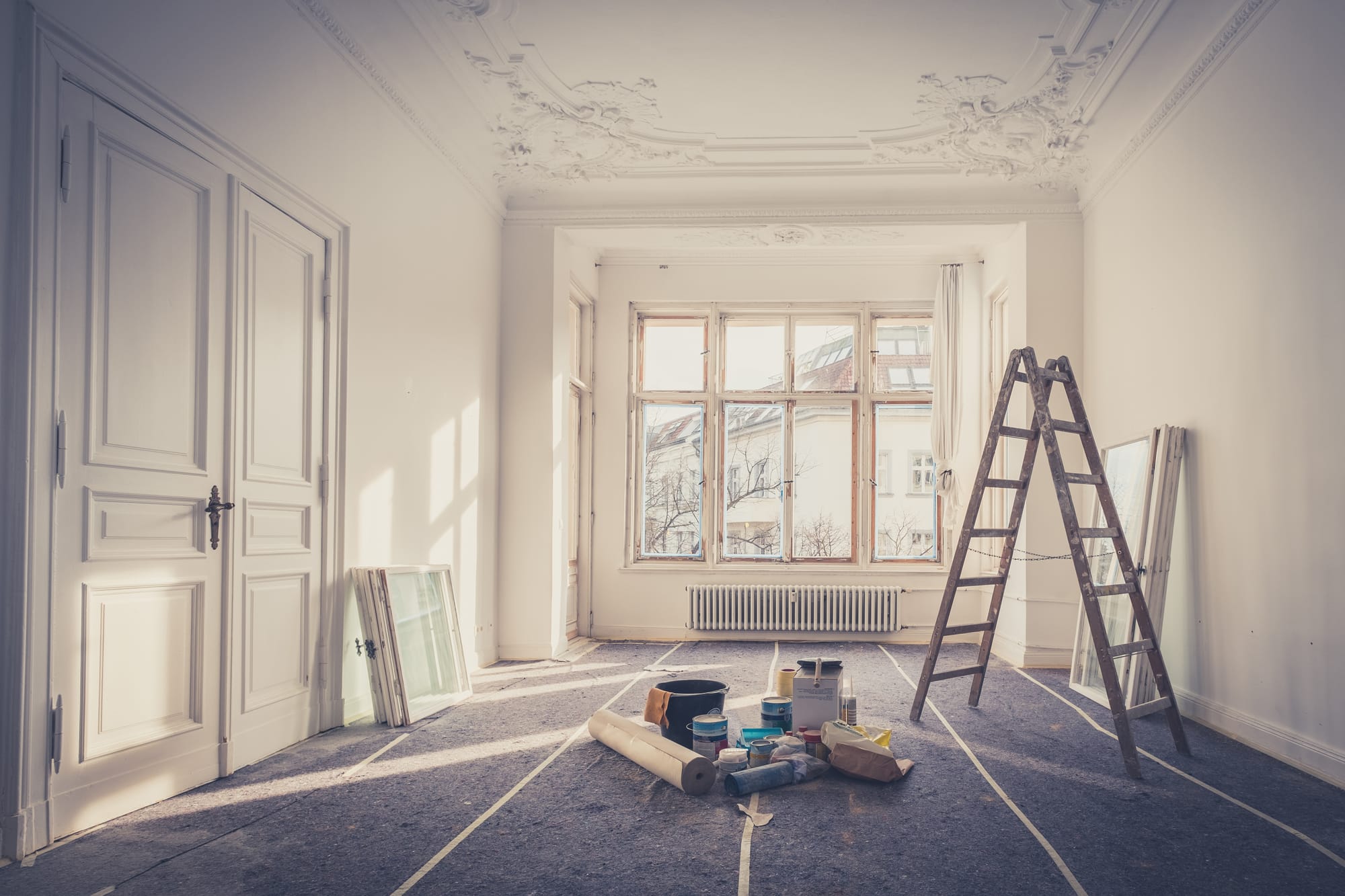
Key Features
- Historic-Specific Prep Systems: Lead-safe containment, wood stabilization, gentle paint removal, and specialized primers.
- Rot & Moisture Restoration: Protects original materials and extends paint lifespan significantly.
- Authentic Color & Material Preservation: Ensures the home’s historic character is maintained and enhanced.
Painting a historic or older home is not the same as painting a modern one — not even close. If you’ve ever owned or worked on a home built before the 1970s (and especially before the 1940s), you already know the challenges: old wood, failing siding, lead paint, unpredictable surfaces, hidden moisture damage, funky trim profiles, and decades of “creative” DIY from previous owners.
We’ve restored and repainted hundreds of historic homes across Oregon. And let me tell you — they’re some of the most rewarding projects and the most demanding. These homes have character, craftsmanship, and soul… but they also need a very specific painting process to stay protected and look authentic.
Things to Know
- Lead paint is present in most pre-1978 homes — certified contractors are required.
- Pressure washing historic siding can cause major damage.
- Oil or bonding primer is critical for adhesion and wood protection.
- Moisture is the #1 cause of early paint failure.
- Historic homes cost more to repaint because they require careful, detailed prep.
What Makes Painting Historic / Older Homes So Different?
Older homes don’t behave like modern construction. Their materials, age, and original building practices create unique challenges and opportunities.Here’s what sets them apart:
1. Older homes were built with real wood — and it needs real care
Historic homes often have:
- Cedar
- Redwood
- Fir
- Old-growth lumber
These woods react differently to moisture and paint than modern engineered siding.
2. They have many layers of old paint
Multiple generations of paint = cracking, alligatoring, softness, lead hazards, and adhesion problems.
3. Surfaces are often uneven or previously patched
Historic homes have charm, but they also have:
- Warped boards
- Handmade trim profiles
- Original windows
- Settling cracks
- Old repairs
4. Moisture exposure is higher
Older homes weren’t built with modern moisture barriers, making them more vulnerable to:
- Rot
- Mildew
- Swelling
- Paint failure
5. Lead paint is almost guaranteed
If the home was built before 1978, you’re nearly guaranteed to have lead layers under the existing paint.Painting historic homes means balancing:
- Authenticity
- Protection
- Safety
- Longevity
- Compliance
And that’s exactly what this guide covers.
What Are the Biggest Challenges When Painting a Historic Home?
Let’s break down the top issues we encounter during historic exterior projects:
1. Lead Paint (EPA RRP Compliance Required)
This is the biggest difference.Lead paint requires:
- Containment
- HEPA vacuuming
- Proper PPE
- Safe removal methods
- Disposal compliance
- Certified contractors
Skipping this step means breaking federal law and risking lead contamination.
2. Failing Layers of Old Paint
Older homes usually have:
- 5–12 layers of paint
- Cracking or “alligatoring”
- Chalking
- Peeling
- Soft spots
These layers must be stabilized before new coats can adhere properly.
3. Rot Repair (Especially on Trim & Windows)
Historic homes often hide:
- Rotted sills
- Failing corner boards
- Wet soffits
- Crumbling fascia
- Rotten window trim
Painting over rot is a waste of time — fixing it early is essential.
4. Moisture Problems
Moisture is the main cause of paint failure.We often find:
- Leaks
- Peeling where gutters overflow
- Damage near sprinklers
- Siding that can’t dry out
- Foundation splashback
If you don’t handle moisture, no paint job will last.
5. Outdated Caulking & Gaps
Older houses shift with the seasons more dramatically.This causes:
- Open seams
- Cracked caulking
- Failing joints
- Gaps around windows
High-quality elastomeric caulking is mandatory.
How Do Professionals Prepare Historic Homes for Painting?
Painting older homes requires more prep — and much gentler techniques — than modern houses.Here’s the Lightmen Painting approach:
Step 1: Full Inspection & Moisture Testing
We identify:
- Rot
- Moisture exposure
- Failing surfaces
- Loose paint
- Structural concerns
Step 2: Lead-Safe Containment Setup
This includes:
- Plastic sheeting
- Ground protection
- HEPA vacuums
- Certified handling
- Safe access
This protects your property, neighbors, workers, and environment.
Step 3: Gentle Paint Removal & Stabilization
Depending on conditions:
- Scraping
- Sanding (HEPA-controlled)
- Chemical softeners
- Infrared removal tools
Brute-force power washing is NEVER used on historic wood.
Step 4: Rot Repair & Board Replacement
We replace or restore:
- Rotted trim
- Fascia
- Corner boards
- Sills
- Damaged siding
Step 5: Oil or Bonding Primer (Critical)
Historic wood absorbs differently than new wood.We use:
- Oil primer for bare wood
- Bonding primer for slick or old layers
- Tannin-blocking primer for cedar or redwood
Skipping this step guarantees early failure.
Step 6: Caulking & Sealing
We seal:
- Window trim
- Door casings
- Joints
- Fascia seams
- Siding gaps
This gives the home a weather-tight barrier.
Step 7: Two Coats of Premium Exterior Paint
Historic homes need:
- UV-resistant paint
- Moisture-resistant formulas
- Flexible coatings that move with the wood
Cheap paint isn’t an option on a 100-year-old house.
In Our Experience
Historic homes are some of the most beautiful structures we work on — but they’re also the most demanding. When you understand the materials, respect the original craftsmanship, and prepare surfaces correctly, the results are stunning. We’ve seen historic homes gain decades of life from a single, well-executed paint job. But shortcuts? They’ll destroy a century-old home in just a few winters.
Should You Pressure Wash a Historic Home?
Short answer: No — at least not aggressively.Historic siding is softer and more fragile. High-pressure washing can:
- Strip wood fibers
- Force water behind siding
- Cause swelling
- Lead to paint failure
- Destroy old windows
A soft wash or controlled rinse is far safer.
Which Paints and Colors Work Best for Historic Homes?
Historic homes look best when colors complement their era.
Victorian Palette:
- Deep greens
- Burgundy
- Wheat yellow
- Cream
- Rich browns
Craftsman Homes:
- Earth tones
- Olive
- Rust red
- Forest green
- Grey-brown combinations
Colonial Homes:
- Classic white
- Navy
- Black
- Warm creams
We help homeowners research their home’s architectural roots for authentic color schemes.
How Long Should Paint Last on a Historic Home?
With proper prep, expect:
- Exterior: 7–12 years
- Trim: 4–7 years
- Porch floors: 2–4 years
Historic homes last longer with ongoing maintenance, including:
- Annual soft wash
- Touch-ups
- Caulking renewal
- Moisture checks
Cost Breakdown: Painting Historic vs Modern Homes
Historic homes require more labor and materials.
Typical Historic Home Painting Costs
| Size | Price Range |
|---|---|
| Small (1,200–2,000 sq ft) | $12,000–$25,000 |
| Medium (2,000–3,000 sq ft) | $18,000–$35,000 |
| Large (3,000+ sq ft) | $28,000–$60,000+ |
More prep = higher cost.
But done right, historic homes stay protected much longer.
Want to Learn How to Paint Like a Pro?
Whether you're a DIY enthusiast or dreaming of starting your own painting business, we've got you covered! Lightmen Painting now offers exclusive online Painting Courses designed to teach you real-world skills from real professionals. From prep work to perfect brush technique, we break it all down step-by-step.
👉 Check out the courses here: Lightmen Courses
Take the first step—level up your skills and paint with confidence. Let’s roll!
Do You Have Questions? Give Us A Call With Any & All! 503-389-5758
-
People Also Ask:
Do I need special paint for an older home?
Not always, but you DO need high-quality paint and the correct primer for the surface type.
Can I paint over lead paint safely?
Yes — but only with lead-safe containment and stabilization from an EPA-certified contractor.
Why is painting historic homes more expensive?
Because they require more prep, sensitive materials, lead compliance, and specialized repair techniques.
-
Subscribe to Our Blog & Elevate Your DIY Game! Never miss a beat! Join the Lightmen Painting community and get the latest insights on painting, DIY projects, and expert tips delivered straight to your inbox.
Have something specific in mind? We’d love to hear your ideas! Let us know what topics or projects you’re curious about—your input could shape our next post.
Transform Your Space — Or Just Look Like You Know What You're Doing.
Ready to upgrade your painting game? From pro-approved tools to field-tested templates, the Lightmen Shop has the stuff the pros don’t want you to find.
Click in, gear up, and paint smarter.
If your in the Portland, Or. area and need advice or a free no obligation estimate call us at 503-389-5758 or email scheduling@lightmenpainting.com
Thanks for stopping by Lightmen Daily! Stay tuned for more practical tips and expert advice on making your painting projects flawless, from wall to floor!
Definitions
- Historic Home Painting – Specialized process for older homes requiring careful prep and restoration.
- Lead-Safe Work Practices – EPA-required methods for handling lead paint.
- Alligatoring – Cracked paint pattern caused by excessive layers or age.
- Bonding Primer – Primer designed to adhere to slick or old surfaces.
- Rot Repair – Replacing or restoring damaged wood before painting.
- Moisture Testing – Checking for trapped or active moisture in siding.
- Soft Wash – Low-pressure cleaning method safe for fragile exteriors.
- Tannin Bleed – Discoloration that occurs on cedar/redwood if not primed properly.
- Architectural Color Matching – Selecting historically accurate color schemes.
- Surface Stabilization – Strengthening failing paint layers so new paint adheres properly.
Lightmen Painting Serving: Portland, Tigard, Lake Oswego, Tualatin, West Linn, Milwaukie, Sherwood, Happy Valley, Oregon City, Beaverton, Hillsboro, Gresham