Why Exterior Paint Peels and How to Prevent It
Key Features
- Moisture intrusion is the leading cause of peeling paint
- Proper preparation prevents most paint failures
- High-quality paint systems improve durability
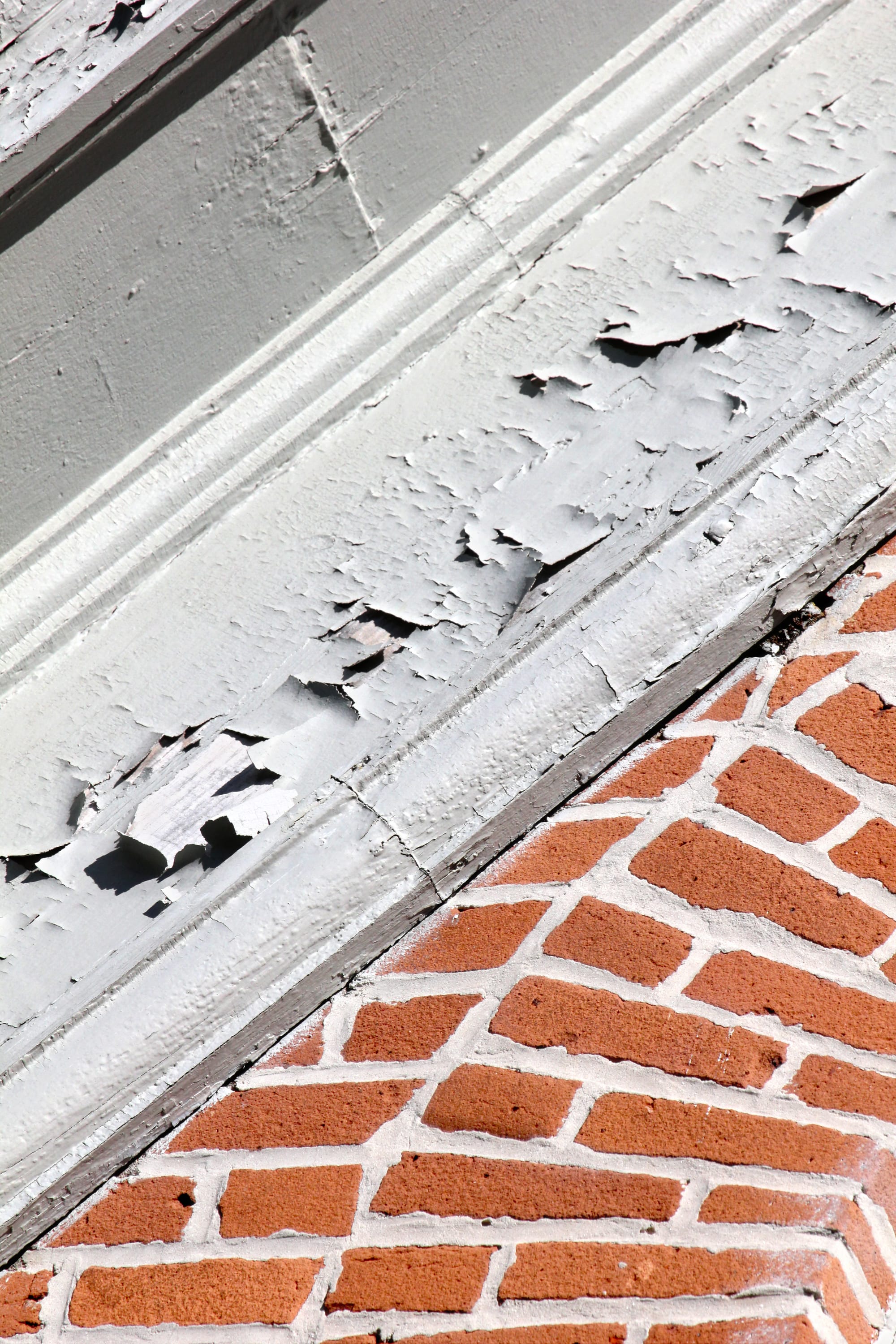
Few things make a house look neglected faster than peeling exterior paint. It’s a frustrating problem for homeowners because paint should last many years when applied correctly.
So why does exterior paint peel?
The truth is that peeling paint usually isn’t caused by the paint itself. Instead, it’s typically the result of poor preparation, moisture intrusion, or environmental exposure.
In Portland and throughout the Pacific Northwest, peeling paint is especially common because homes experience heavy rain, high humidity, and long damp seasons.
Understanding why exterior paint peels and how to prevent it can help homeowners protect their investment and keep their homes looking great for years.
Things to Know
- Peeling paint often starts with small cracks or bubbles
- Moisture trapped behind paint causes pressure buildup
- Proper priming improves paint adhesion
- Cleaning surfaces removes contaminants before painting
- Routine maintenance helps prevent paint failure
What Causes Exterior Paint to Peel?
Peeling paint occurs when the paint film loses its adhesion to the surface beneath it.
When this happens, paint begins to lift, crack, and eventually separate from the siding.
Several factors can cause this problem.
Moisture Behind the Paint
The Most Common Cause of Peeling Paint
Moisture intrusion is the leading cause of exterior paint failure.
Water can enter behind paint through:
- cracked caulking
- damaged siding
- leaking gutters
- unsealed joints
When moisture becomes trapped beneath the paint film, pressure builds and causes the paint to bubble and peel.
Poor Surface Preparation
Paint needs a clean, stable surface to bond properly.
If paint is applied over:
- dirt
- mildew
- loose paint
- chalky surfaces
the new coating may not adhere well and will eventually peel.
Painting Over Failing Paint
Applying new paint over peeling or flaking paint is another common mistake.
If the underlying paint is unstable, the new paint layer will eventually fail as well.
Lack of Primer
Primer improves paint adhesion and helps seal porous surfaces like wood.
When primer is skipped on bare wood or repairs, paint may not bond properly and can begin to peel.
Painting in Poor Weather Conditions
Exterior paint should only be applied under suitable weather conditions.
Painting when surfaces are:
- damp
- too cold
- too hot
can prevent proper curing and lead to adhesion problems.
Sun Exposure and Temperature Changes
Repeated heating and cooling cycles cause building materials to expand and contract.
If paint cannot flex with the surface, it may crack and eventually peel.
Signs Your Exterior Paint Is Starting to Fail
Early warning signs often appear before severe peeling begins.
Watch for:
| Warning Sign | What It Means |
| Small cracks | Paint losing flexibility |
| Bubbling paint | Moisture trapped beneath coating |
| Chalking residue | Paint beginning to deteriorate |
| Flaking edges | Adhesion weakening |
Addressing these signs early can prevent larger problems.
How to Prevent Exterior Paint From Peeling
Preventing peeling paint starts with proper preparation and maintenance.
Clean Surfaces Before Painting
Pressure washing removes dirt, mildew, and debris that prevent paint from bonding.
Remove Loose Paint
All peeling or flaking paint should be scraped and sanded before repainting.
This creates a stable surface for new paint.
Use High-Quality Primer
Primer improves adhesion and seals porous surfaces.
Spot priming bare areas is especially important.
Seal Gaps and Cracks
Caulking prevents moisture from entering behind siding or trim.
This helps protect the paint system.
Use High-Quality Exterior Paint
Premium exterior paints are designed to withstand moisture, sunlight, and temperature changes.
These coatings often contain flexible acrylic resins that resist cracking and peeling.
In Our Experience
Most peeling paint problems can be traced back to moisture issues or preparation shortcuts. Homes that receive proper cleaning, repairs, and priming before painting usually experience far fewer peeling problems. Taking the time to prepare surfaces properly makes a huge difference in paint longevity.
Why Peeling Paint Is Common in Portland
Homes in Portland experience conditions that can accelerate paint failure.
| Environmental Factor | Impact |
| Frequent rain | Increased moisture exposure |
| Tree shade | Surfaces stay damp longer |
| Moss and mildew | Organic growth weakens paint |
| Temperature changes | Expansion and contraction of siding |
Because of these conditions, proper preparation and maintenance are critical for exterior paint durability.
Do You Have Questions? Give Us A Call!
If you’re in the Portland, OR metro area and you want:
a clean plan before repainting, or
help diagnosing exterior paint failures, or
a crew that resolves issues like adults or
You Just Have Questions…
Here’s the easiest path:Request an estimate
Email: scheduling@lightmenpainting.com
Call: 503-389-5758
-
People Also Ask:
What causes exterior paint to peel?
The most common causes include moisture intrusion, poor preparation, painting over loose paint, and skipping primer.
Can peeling exterior paint be fixed?
Yes. Peeling paint can be repaired by removing loose paint, preparing the surface, and repainting properly.
How do you stop paint from peeling outside?
Cleaning surfaces, removing loose paint, priming bare areas, sealing gaps, and using high-quality paint all help prevent peeling.
-
Resources:
- How to Protect Exterior Paint From Moisture Damage
- Exterior Paint Condition Report (How it works)
- Exterior Painting Services
- Paint Project Cost Calculator
- Painting ROI Calculator (optional add)
Definitions
- Why exterior paint peels-The causes of paint losing adhesion and separating from surfaces.
- Exterior painting Portland-Professional house painting services in Portland, Oregon.
- Paint adhesion-The strength of the bond between paint and the surface.
- Moisture intrusion-Water entering behind siding or paint layers.
- Exterior paint preparation-Steps taken to prepare surfaces before painting.
- Paint peeling-When paint separates from the underlying surface.
- Exterior primer-A base coating applied before paint to improve adhesion.
- Exterior paint durability-How long exterior paint lasts before failing.
- Pacific Northwest climate-Wet environmental conditions common in Oregon and Washington.
- Exterior paint lifespan-The expected life of exterior paint before repainting.
Lightmen Painting Serving: Portland, Tigard, Lake Oswego, Tualatin, West Linn, Milwaukie, Sherwood, Happy Valley, Oregon City, Beaverton, Hillsboro, Gresham
Exterior paint peels when the paint film loses adhesion to the surface beneath it. The most common cause of peeling exterior paint is moisture trapped behind the paint layer, which can occur due to cracked caulking, leaking gutters, or unsealed siding joints. Other causes include poor surface preparation, painting over loose paint, skipping primer, and applying paint under unsuitable weather conditions. In Portland and the Pacific Northwest, frequent rain and high humidity increase the risk of exterior paint peeling. Preventing peeling paint requires proper surface cleaning, removing loose paint, using primer, sealing gaps, and applying high-quality exterior paint designed for wet climates.