Multifamily & Apartments | Repaint Planning & Asset Protection | Real Estate Professionals

Why Your Commercial Repaint Is More Complex Than You Think (And How to Plan for It)

Key Features

  • Breaks down why commercial repaint projects fail before they start
  • Explains real cost drivers (not just paint and labor)
  • Provides a practical planning framework for property managers


If you’ve ever looked at a commercial repaint and thought, “This should be pretty straightforward,” you’re not alone—and you’re also exactly who this article is for.

At a glance, repainting a commercial property feels simple: pick a color, pick a product, schedule the work, done. But in reality, most projects don’t fail because of paint—they fail because of planning.

This breakdown walks you through the real reasons commercial repaint projects go sideways, what most people miss early, and how to avoid turning a routine repaint into an expensive operational headache.


The Operational Mess vs. The Straightforward Project

For facility and property managers, a commercial repaint often presents as a deceptively simple maintenance task: select a color, choose a product, and find a window on the calendar. However, projects that seem technically straightforward frequently devolve into an "operational mess" that dismantles budgets and timelines.

The reality is that while the quality of the paint matters, the chemistry of the coating is rarely what causes a project to fail. The breakdown almost always occurs in the planning phase—or the lack thereof.

To bridge the gap between a vague estimate and a successful execution, we utilize the Commercial Repaint Planning Notebook. This tool is designed to move property professionals away from guesswork and toward a strategy that accounts for scope, phasing, and operational risk before a single drop of paint is purchased.

👉 Translation: The difference between a smooth project and a disaster is rarely the paint—it’s everything before the paint.


Things to Know

  • Most repaint failures are planning failures
  • Hidden prep is the #1 budget killer
  • Access issues can double labor time
  • Phasing reduces disruption and improves execution
  • “Convenient schedules” often cost more


The "Hidden Prep" Budget Trap

The most significant driver of cost overruns in commercial repainting is "hidden prep." These are the variables that remain invisible during a casual observation but dictate the actual labor hours required.

The primary reason these issues are missed in early assumptions is the "proximity factor." Most facility managers view their buildings from the ground or through an office window. However, substrate failure and coating degradation are often only visible within arm's reach.

What looks solid from thirty feet away can be falling apart up close.


Critical Hidden Factors (Where Budgets Get Wrecked)

  • Failed Sealant and Caulk
    → Usually needs full replacement, not touch-ups
  • Substrate Wear and Unstable Coatings
    → Requires removal, not repainting
  • Cleaning Requirements
    → Impacts labor, water control, and site logistics
  • Rust and Corrosion
    → Needs treatment systems, not coverage
  • Repeated Failure Zones
    → Indicates underlying moisture or structural issues

Reality Check

"A building may not need a full nightmare overhaul, but hidden prep still needs to be understood before pricing is taken seriously."

👉 If prep isn’t defined early, your “estimate” is just a guess with a deadline.


Access Is Not a "Side Detail" (It’s the Budget Driver)

In a commercial environment, access is a primary driver of the project’s financial math. If a crew cannot efficiently reach a surface, labor costs balloon, and sequencing breaks down.

Access is not a logistical detail—it is a cost center.

What Actually Impacts Cost (That People Ignore)

  • Equipment Staging
    → Idle lifts = paid time doing nothing
  • Daily Logistics
    → Moving equipment eats hours fast
  • Restricted Work Zones
    → Limited working windows = longer timelines
  • Pedestrian Flow
    → Safety planning affects everything

👉 Awkward access doesn’t just slow things down—it changes the entire job structure.


Why Phasing Beats the "Giant Block" Approach

The instinct to treat a repaint as one giant, uninterrupted block of work is often a mistake for active commercial properties.

It looks efficient on paper.It’s not.

Why Phasing Wins in the Real World

  • Targeted Tenant Coordination
    → Clear, short windows instead of vague disruption
  • Operational Continuity
    → Business keeps running
  • Managed Noise and Access
    → Controlled impact instead of chaos

In Our Experience

The projects that go smoothly aren’t the simplest—they’re the ones that are understood early. When scope, access, and phasing are clearly defined upfront, everything else becomes predictable. When they’re not, even a basic repaint turns into a moving target.


👉 A repaint project may be easier to execute when planned in phases instead of treated like one giant uninterrupted block of work.


The Reality of the "Convenient" Schedule

In the world of property planning, an unrealistic schedule is a financial liability.

The timeline you want rarely matches the timeline the building requires.

What a Real Schedule Has to Respect

  • Weather constraints (especially in the PNW)
  • Cure times and coating requirements
  • Interior traffic patterns
  • Ventilation and safety conditions
  • After-hours labor costs

👉 The most convenient schedule is rarely the most realistic one.

And unrealistic schedules are where projects start bleeding money.


Walkthrough First, Pricing Second

Requesting an immediate estimate for a complex property is often premature.

If you skip planning, you don’t save time—you just delay problems.

When You Need a Walkthrough

  • Early budgeting phase
  • Known problem areas
  • Complex access or occupancy conditions

When You Need an Estimate

  • Scope is clearly defined
  • Project is ready to move
  • Variables are already understood

👉 Pricing before planning = pricing drift later. Every time.


The Commercial Repaint Diagnostic Checklist

Use this before calling anyone:

  • ☐ Do we know the condition of coatings up close?
  • ☐ Have caulking and sealants been evaluated?
  • ☐ Are access challenges mapped out?
  • ☐ Do we have a realistic schedule?
  • ☐ Is phasing required?
  • ☐ Are there known failure zones?

If you answer “no” to multiple:

👉 You’re not ready for pricing yet—you’re still in planning.

If your repaint still feels “simple,” that’s usually the first warning sign.The smartest move is getting clarity before committing to scope, schedule, or pricing.If you want a walkthrough that actually breaks down risk, access, and real cost drivers—not just a number—Lightmen Painting can help you map it out the right way.


Do You Have Questions? Give Us A Call! 

If you’re in the Portland, OR metro area and you want:

a clean plan before repainting, or

help diagnosing exterior paint failures, or

a crew that resolves issues like adults or

You Just Have Questions…

Here’s the easiest path:

Request an estimate

Email: scheduling@lightmenpainting.com

Call: 503-389-5758


-

People Also Ask:

Why do commercial painting projects go over budget?

Most overruns come from hidden prep, access challenges, and poor early planning—not material costs.

What is the most important step before a commercial repaint?

A detailed walkthrough to identify prep, access, and scheduling variables before pricing.

Should commercial painting be done in phases?

Yes. Phasing reduces disruption, improves efficiency, and allows better coordination with occupants.


-

Subscribe to Our Blog & Elevate Your DIY Game! Never miss a beat! Join the Lightmen Painting community and get the latest insights on painting, DIY projects, and expert tips delivered straight to your inbox.

Have something specific in mind? We’d love to hear your ideas! Let us know what topics or projects you’re curious about—your input could shape our next post.


Transform Your Space — Or Just Look Like You Know What You're Doing.

Ready to upgrade your painting game? From pro-approved tools to field-tested templates, the Lightmen Shop has the stuff the pros don’t want you to find.

Click in, gear up, and paint smarter.

If your in the Portland, Or. area and need advice or a free no obligation estimate call us at 503-389-5758 or email scheduling@lightmenpainting.com


Want to Learn How to Paint Like a Pro?

Whether you're a DIY enthusiast or dreaming of starting your own painting business, we've got you covered! Lightmen Painting now offers exclusive online Painting Courses designed to teach you real-world skills from real professionals. From prep work to perfect brush technique, we break it all down step-by-step.

👉 Check out the courses here: Lightmen Courses 

Take the first step—level up your skills and paint with confidence. Let’s roll!


Resources: 


Definitions

  • Commercial repaint – Repainting of commercial buildings
  • Surface prep – Cleaning, repairing, and preparing surfaces before painting
  • Coating system – Layers of primer and paint used for protection
  • Caulk failure – Breakdown of sealant allowing water intrusion
  • Phasing – Completing work in sections instead of all at once
  • Access logistics – Equipment and movement planning for job execution
  • Substrate – The surface being painted
  • Operational disruption – Impact on tenants or business operations
  • Repaint planning – Strategy for timing, scope, and execution
  • Facility maintenance painting – Painting tied to long-term property upkeep


Trusted in Portland, Happy Valley, Sherwood, Lake Oswego, and Beaverton
Cabinets, interiors, exteriors, apartment complexes

See recent projects          Get an estimate

Commercial repainting projects in Portland require detailed planning due to moisture exposure, building use, and operational constraints. Commercial painting Portland projects often involve hidden prep, access challenges, and scheduling limitations that impact cost and execution. Property managers and facility managers must account for surface preparation, coating failure, caulking, phasing, and tenant coordination when planning a commercial repaint. Proper walkthroughs, accurate scoping, and strategic planning are essential to avoid cost overruns and project delays. Portland commercial painters must evaluate weather conditions, building access, and operational disruption to deliver a successful repaint project.

Read More  

Exterior Apartment Painting in Portland: How to Stage Large Repaints the Smart Way

The goal is not just to get paint on the building. The goal is to move building by building, section by section, with enough structure that residents, staff, vendors, and crews all know what is happening and what comes next.

Key Features

  • Large-project staging strategy-This article breaks down how to phase, contain, and manage major exterior apartment repaints without letting the property fall into chaos.
  • Portland-specific exterior planning-It addresses moisture, rain windows, access disruptions, and the reality of occupied multifamily work in the Pacific Northwest.
  • Operational value for property managers-It gives owners and managers a better way to evaluate contractors based on staging logic, not just price.


Large exterior apartment repaints can go one of two ways. They can look organized, controlled, and professional, or they can look like the property got hit by ladders, caution tape, tenant complaints, and bad timing. Most of the difference comes down to staging.

If you are planning exterior apartment painting in Portland, the smartest move is not just hiring painters. It is staging the project in a way that protects access, keeps residents informed, respects weather, and prevents the whole property from looking like a half-finished mess for two months.

Big exterior repaint projects on apartment properties are never just “paint jobs.” They are logistics jobs disguised as paint jobs.

That is especially true in Portland.

You are dealing with rain windows, damp substrates, parking issues, resident traffic, mail access, garbage enclosures, maintenance overlap, landscaping, stair towers, breezeways, balconies, leasing pressure, and at least one person who will act shocked that painters require ladders. That is the reality.

So when owners or managers ask how to stage a large exterior apartment repaint the smart way, the answer is simple: build the project around control. Control the sequence. Control the work zones. Control resident communication. Control access changes. Control material staging. Control the daily reset. That is how large multifamily exteriors get repainted without turning the property into visual chaos and operational stupidity.

The goal is not just to get paint on the building. The goal is to move building by building, section by section, with enough structure that residents, staff, vendors, and crews all know what is happening and what comes next.


Things to Know

  • Large exterior repaints go smoother when only a limited number of zones are active at once.
  • Portland weather should shape staging decisions, not get ignored until it ruins the schedule.
  • Resident access and parking changes need to be planned and communicated before crews arrive.
  • Daily cleanup is part of site control, not some optional nice-guy extra.
  • A project that looks organized during work builds more resident trust than one that just promises a nice final result.


Why is exterior apartment painting in Portland harder than it looks?

Because the size of the property hides the complexity.

People see a large apartment complex and think, “Big crew, big ladders, big job.” Fair enough. But the real challenge is not raw size. It is managing the number of variables without letting them pile on top of each other.

Portland adds extra complexity

Exterior apartment painting Portland projects have to respect:

  • rain and moisture windows
  • slower dry times in shoulder seasons
  • older siding and trim conditions
  • frequent mildew, moss, and surface contamination
  • occupied buildings with constant daily movement
  • limited staging zones in tighter urban properties

That means poor planning gets punished fast. You cannot just spread out across the site and hope the weather, tenants, and access issues politely cooperate.

They will not.

What does “staging” actually mean on a large exterior repaint?

It means organizing the project so the property stays functional while work moves forward.

Good staging covers:

  • work zone boundaries
  • building sequence
  • lift and ladder placement
  • material storage
  • resident access routes
  • temporary no-parking zones
  • safety signage
  • crew flow
  • daily cleanup and reset

It is basically the part that stops a repaint from feeling like a property-wide ambush.

Bad staging usually looks like this

  • too many active buildings at once
  • random ladders everywhere
  • blocked sidewalks and entries
  • materials left in the wrong places
  • unclear parking restrictions
  • access changes nobody warned residents about
  • half-finished elevations sitting exposed too long

Good staging usually looks like this

  • one clear zone at a time
  • strong notice before work starts
  • defined equipment placement
  • controlled access reroutes
  • predictable schedule logic
  • daily cleanup
  • visible progress without visual chaos

That difference matters more than people think.


How should a large exterior apartment repaint be phased?

By zone, not by desperation.

A smart repaint should move through the property in a deliberate sequence that makes sense for:

  • building layout
  • resident access
  • weather exposure
  • crew efficiency
  • leasing priorities
  • visual appearance during work

Common phasing options

Building-by-building

Best for:

  • garden-style properties
  • spread-out sites
  • properties with clear building separation

Why it works:

  • easier resident communication
  • easier containment
  • less confusion
  • stronger visual closeout

Elevation-by-elevation

Best for:

  • larger individual buildings
  • properties where one façade can be isolated well

Why it works:

  • good for weather-sensitive scheduling
  • helps reduce half-finished visual exposure
  • useful when one side is more deteriorated than another

Amenity-and-core-first

Best for:

  • properties trying to improve first impressions fast
  • leasing-driven repositioning work

Why it works:

  • entry areas, clubhouses, leasing offices, and visible core structures improve first
  • gives the property an early visual win

Most large projects use a combination of these, but the key is keeping the logic clean. Do not let the phasing turn into “wherever the crew feels like going next.”

What is the best way to keep the property from feeling chaotic during work?

Containment.

That is the word.The property should never feel like every building is under construction at once unless you enjoy creating complaints, safety issues, and confusion for fun.

Use active zone limits

Only a limited number of areas should be “live” at any given time. That means:

  • clear zone starts
  • clear zone stops
  • clear staging areas
  • clear cleanup expectations
  • visible signs that this section is active and that one is not

Finish before you scatter

A clean exterior apartment painting Portland project closes sections properly before the crew sprawls elsewhere. That helps the property look progressively improved instead of progressively abandoned.

Protect key resident functions

Always protect:

  • building entries
  • stair access
  • mail access
  • trash access
  • parking circulation
  • pedestrian safety routes

If the repaint disrupts those without warning or alternative routing, the complaints write themselves.

How should equipment and materials be staged?

Not like a yard sale.Equipment staging on multifamily exteriors needs to feel intentional and safe. That means every ladder, lift, sprayer, hose run, drop zone, and material stack should have a reason for being where it is.

Good staging rules

  • keep material drops close to active work, not scattered
  • avoid blocking tenant paths and parking unless necessary
  • mark lift zones and temporary hazards clearly
  • keep hose and cord routing disciplined
  • use one or two designated daily storage points, not random building corners
  • reset the site at the end of every workday

Large repaints usually need these staging decisions made in advance


Staging ItemWhy it mattersCommon screw-up
Lift placementAffects access and parkingBlocking too many stalls too early
Ladder zonesAffects resident safetyRandom ladder storage near entries
Paint/material storageAffects cleanliness and efficiencyBuckets and trash drifting all over site
Masking/prep zonesAffects workflowPrep spills into resident space
Cleanup stationsAffects daily resetNo clear end-of-day discipline


This is not glamorous work. It is just the difference between a site that looks managed and one that looks feral.

How do you handle resident access during exterior repaint work?

By treating access like a primary planning issue, not an afterthought.Residents do not care that the contractor is “making progress” if they cannot easily get to their door, vehicle, stairs, or mailbox.

Access planning should address

  • entry doors
  • stairwells
  • breezeways
  • balconies and patios
  • walkways
  • parking stalls near active work
  • dumpsters and service areas

Best practice

Tell residents:

  • what dates affect their building
  • what changes temporarily
  • where not to park
  • whether balconies or patios need to be cleared
  • whether windows need to stay closed during spray work
  • who to contact if something changes

That level of clarity takes work, but it saves a lot of pointless frustration later.

How does Portland weather change staging strategy?

A lot.This is where national paint advice usually turns into nonsense.In Portland, exterior repaint staging has to account for:

  • moisture on surfaces
  • surprise rain
  • overnight dew
  • delayed cure windows
  • season-dependent production shifts

That changes how large projects should be staged.

Smart weather-related staging includes

  • not opening too many elevations at once
  • sequencing around exposure and shade patterns
  • adjusting wash and prep timing to actual drying windows
  • protecting materials and sensitive prep areas
  • building enough float into the schedule that one rain event does not wreck the whole project flow

Properties that try to force the schedule too hard in questionable weather usually end up with one of two results:

  1. lower quality
  2. delays anyway

So now you are late and the work looks worse. Real impressive stuff.

What surfaces and prep issues should be handled before large-scale paint application?

Anything that will create failure, rework, or ugly finish problems later.

Common exterior apartment prep items

  • mildew and surface contamination
  • peeling paint
  • failed caulk
  • exposed wood
  • damaged trim
  • cracked siding joints
  • rusted metal components
  • water-damaged areas
  • chalking or adhesion issues from old coatings

Why prep affects staging

Prep determines:

  • how long a zone stays active
  • which trades or maintenance staff need to be involved
  • whether one building can move faster than another
  • how soon finish coats can begin

A site with inconsistent prep needs tighter zone control, not looser control.

What is the smartest way to schedule visible, high-traffic areas?

Early, but not stupidly early.A lot of properties want the most visible areas done first because leasing and curb appeal matter. That makes sense. But you still need the prep, access, and product logic to support that decision.

Good candidates for early repaint sequence

  • leasing office building
  • main property entry
  • clubhouse or amenity building
  • high-visibility perimeter elevations
  • major pedestrian corridors

Why this works:

  • improves visual impression fast
  • shows visible progress to ownership and residents
  • gives the property momentum

But do not do visible zones first if:

  • weather conditions are wrong
  • there are major unresolved repairs
  • access is not coordinated
  • the crew is still figuring out the site flow

A test zone plus a visible zone is often the sweet spot.


In Our Experience

In our experience, the best exterior apartment repaint jobs are not the ones with the most aggressive schedules. They are the ones with the cleanest staging. When the building sequence is clear, access is respected, weather is treated honestly, and zones get closed properly before the next ones open, the whole property feels more manageable. That lowers stress for residents, staff, and ownership, and it usually leads to better work too.


What mistakes make large exterior repaints drag out and look messy?

Here comes the part where the bad habits get aired out.

Starting too many zones at once

This makes the property look half-done everywhere and finished nowhere.

Weak communication with residents

Nothing inflames an occupied property faster than changing access, parking, or balcony use without warning.

Poor weather discipline

Exterior apartment painting Portland projects that ignore moisture usually pay for it in delays, finish issues, or early coating failure.

No daily reset

A project can be temporarily inconvenient and still feel professional. It stops feeling professional when trash, ladders, and materials sit everywhere overnight.

Bad sequencing around repairs

If carpentry, caulking, pressure washing, or maintenance work is out of order, the whole schedule stumbles.

Treating staging like “common sense”

Common sense is apparently not common enough. Large-site staging needs to be explicit.

Mini scenario: smart staging vs dumb staging

Let’s say a 120-unit Portland apartment property is getting a full exterior repaint.

Dumb version

  • four buildings opened at once
  • lifts scattered across the lot
  • balcony notices arrive late
  • parking restrictions unclear
  • residents confused about which entry to use
  • wash/prep schedule gets hit by rain
  • half the property looks torn apart for weeks

Smart version

  • one test zone first
  • then two controlled building zones max
  • notices issued by building and by date
  • lift and no-parking map shared early
  • exposed elevations sequenced around forecast
  • visible front-core areas completed cleanly
  • daily cleanup makes the site feel managed

Same property. Same repaint. Totally different resident experience and totally different management stress level.

What should owners and property managers ask before hiring a contractor for a large exterior repaint?

Ask about operations, not just price.

Good questions

  • How do you phase a large occupied exterior repaint?
  • How many active zones do you recommend at once?
  • How do you handle parking and access planning?
  • How do you stage for Portland weather?
  • How do you communicate building-specific work timing?
  • What is your end-of-day cleanup expectation?
  • How do you prevent the site from looking half-finished for too long?
  • What does punch and closeout look like by building or zone?

A contractor who only talks about paint brands and square footage is not telling you enough. On a large apartment exterior, staging logic is half the job.

How does this article fit in the cluster?

This is a supporting article with strong authority and conversion value.It supports the cluster by covering the large-project planning side of multifamily exterior work. It connects naturally to:

  • tenant complaint reduction
  • scheduling around residents and weather
  • paint systems for wet climates
  • condo and HOA repaint planning
  • broader multifamily repaint strategy

This article helps catch decision-makers before they are looking only at bids. That matters because this is often the stage where smarter buyers start separating organized contractors from chaos merchants.


If you are planning a large exterior apartment repaint in Portland and want the project staged in a way that actually makes sense for residents, staff, and the property itself, Lightmen Painting can help. The goal is not just getting it painted. The goal is getting it painted without turning the whole site into a headache.


Do You Have Questions? Give Us A Call With Any & All! 

If you’re in the Portland, OR metro area and you want:

a clean plan before repainting, or

help diagnosing exterior paint failures, or

a crew that resolves issues like adults or

You Just Have Questions…

Here’s the easiest path:

Request an estimate

Email: scheduling@lightmenpainting.com

Call: 503-389-5758

-

People Also Ask:

How do you stage a large exterior apartment repaint?

You stage it by dividing the property into controlled work zones, sequencing buildings or elevations logically, planning access and parking changes early, and keeping staging areas disciplined and clean.

What is the biggest mistake on exterior apartment painting projects?

One of the biggest mistakes is opening too many areas at once, which creates confusion, access problems, and a property-wide unfinished look.

When is the best time for exterior apartment painting in Portland?

The best time is usually during drier weather windows when surface moisture and curing conditions are more predictable, with enough schedule flexibility to account for local rain patterns.


-

Want to Learn How to Paint Like a Pro?

Whether you're a DIY enthusiast or dreaming of starting your own painting business, we've got you covered! Lightmen Painting now offers exclusive online Painting Courses designed to teach you real-world skills from real professionals. From prep work to perfect brush technique, we break it all down step-by-step.

👉 Check out the courses here: Lightmen Courses 

Take the first step—level up your skills and paint with confidence. Let’s roll!


Subscribe to Our Blog & Elevate Your DIY Game! Never miss a beat! Join the Lightmen Painting community and get the latest insights on painting, DIY projects, and expert tips delivered straight to your inbox.

Have something specific in mind? We’d love to hear your ideas! Let us know what topics or projects you’re curious about—your input could shape our next post.


Transform Your Space — Or Just Look Like You Know What You're Doing.

Ready to upgrade your painting game? From pro-approved tools to field-tested templates, the Lightmen Shop has the stuff the pros don’t want you to find.

Click in, gear up, and paint smarter.

If your in the Portland, Or. area and need advice or a free no obligation estimate call us at 503-389-5758 or email scheduling@lightmenpainting.com


Resources: 


Definitions

  • Exterior apartment painting Portland-Exterior repaint services for apartment and multifamily properties in the Portland area.
  • Large repaint staging-The planning of zones, equipment, access, and workflow for a major painting project.
  • Work zone-A defined section of the property where repaint work is actively happening.
  • Occupied multifamily exterior repaint-An exterior painting project completed while residents continue living on-site.
  • Project phasing-Breaking a large project into sections or stages to improve control and reduce disruption.
  • Access route-A path residents or staff use to enter, exit, or move through the property safely.
  • Daily reset-The end-of-day cleanup and reorganization of the site to keep it safe and professional.
  • Lift zone-An area reserved for aerial equipment or large access tools during active work.
  • Surface moisture window-The time when exterior surfaces are dry enough for prep or paint application.
  • Punch closeout-The final corrections and quality review completed before a work zone is considered finished.


Trusted in Portland, Happy Valley, Sherwood, Lake Oswego, and Beaverton
Cabinets, interiors, exteriors, apartment complexes

See recent projects          Get an estimate

Exterior apartment painting Portland projects require more than labor and ladders. Large multifamily exterior repaints need clear staging, work-zone control, weather-aware scheduling, resident access planning, parking coordination, and strong daily cleanup standards. Property managers and apartment owners looking for exterior apartment painting Portland services need a contractor who understands how to phase building exteriors, protect occupied access routes, and keep the site functional while repaint work moves forward. A smart large repaint plan reduces resident complaints, improves property appearance during the project, protects long-term coating performance, and helps Portland apartment properties avoid the delays and mess that come from poor staging and weak exterior planning.

Read More  

How to Schedule Multifamily Painting in Portland Around Residents, Weather, and Access

If the schedule is lazy, the project turns into a complaint generator. If the schedule is smart, the work feels organized, the property stays usable, and the repaint moves forward without everybody wanting to fight by week two.

Key Features

  • Portland-specific scheduling logic-This article explains how weather, moisture, and access should shape real multifamily paint schedules in the Portland market.
  • Resident-focused project planning-It shows how to phase work so residents can still live on-site without the whole property feeling disrupted all at once.
  • Operational guidance for better contractor decisions-It helps property managers and boards ask smarter scheduling questions before the project starts.


Scheduling multifamily painting in Portland is never just a calendar problem. It is an operations problem. You are not only trying to line up painters. You are trying to work around residents, weather, access routes, parking, maintenance, leasing pressure, drying conditions, and the general chaos that shows up anytime people live where the work is happening.

If the schedule is lazy, the project turns into a complaint generator. If the schedule is smart, the work feels organized, the property stays usable, and the repaint moves forward without everybody wanting to fight by week two.

A lot of property managers think painting projects get messy because the contractor was sloppy, the weather turned, or residents complained too much.Sometimes, sure.

But more often, the real problem started earlier: the schedule sucked.It was too aggressive, too vague, too spread out, too optimistic about Portland weather, too careless about resident traffic, or too blind to access issues. Then the crew hits the property, the work zones start overlapping, parking becomes weird, hallways or entries stay blocked too long, rain throws things off, and the whole repaint starts feeling like a rolling inconvenience machine.

That is why scheduling multifamily painting in Portland has to be built around three things:

  • residents
  • weather
  • access

Miss one of those and the project gets dumb fast.

A good schedule is not just “start Monday, finish Friday.” A good schedule tells the property what gets painted when, which areas stay active, what residents need to know, how weather risk is handled, how access stays safe, and how the project keeps moving without feeling like the site is permanently under construction.


Things to Know

  • The best multifamily painting schedule is usually more contained, not more aggressive.
  • Portland weather needs schedule float and honest sequencing, especially on exteriors.
  • Resident complaints usually rise when scheduling and communication drift apart.
  • Access planning is just as important as production planning on occupied properties.
  • Punch and closeout need their own time in the schedule or the whole project starts overlapping itself.


Why is scheduling multifamily painting in Portland so tricky?

Because you are scheduling around real life, not just square footage.

Multifamily properties are constantly moving. Even when nothing special is happening, there is still:

  • people leaving for work
  • people getting home late
  • deliveries
  • mail access
  • trash access
  • pets
  • kids
  • strollers
  • maintenance requests
  • move-ins and move-outs
  • vendors coming and going

Now add paint crews, prep work, ladders, lifts, materials, caution tape, odor, and drying time.

That is why the scheduling side matters so much.

Portland makes it harder in a few specific ways

  • weather windows are less reliable
  • surfaces stay damp longer
  • exterior work can get pushed by rain or overnight moisture
  • darker seasons make some common areas feel tighter and more disruptive
  • older properties often need more repair and prep time than the schedule first assumed

So if you schedule like the project is happening in some perfect, dry fantasy world where no one lives on-site, you are going to get punched in the mouth by reality.

What should a multifamily painting schedule actually account for?

More than most people think.

A usable schedule should account for:

  • work zones
  • building sequence
  • resident traffic patterns
  • parking impacts
  • entry and stair access
  • prep time
  • drying time
  • weather delays
  • maintenance coordination
  • leasing and turnover priorities
  • daily cleanup
  • punch and closeout timing

If the schedule only shows “paint building A, then building B,” that is not a real project schedule. That is just a rough intention wearing a clipboard.


How do residents affect paint scheduling?

A lot.

Occupied properties do not care what is convenient for the contractor if the schedule keeps disrupting how people actually live.

Resident-sensitive scheduling usually means:

  • avoiding high-disruption work during the busiest traffic windows when possible
  • giving residents clear notice before their area is active
  • limiting how many entries, hallways, stairwells, or parking sections are affected at once
  • sequencing work so people can still move around safely
  • not letting active work zones drift beyond what was communicated

Things residents notice immediately

  • blocked doors
  • confusing access changes
  • no place to park where they were told they could park
  • strong smell with no warning
  • noisy prep work too early
  • crews working in areas that were not supposed to be active yet

That is why scheduling and communication are married. One without the other is useless.

How should Portland weather shape the project schedule?

Like a real constraint, not an annoying side note.

Portland weather can wreck a dumb repaint schedule because exterior work depends on:

  • dry enough surfaces
  • stable application conditions
  • enough cure time
  • prep sequencing that does not get washed backwards by rain

Smart exterior scheduling in Portland usually includes

  • weather float days built into the calendar
  • not opening too many exterior zones at once
  • sequencing sunnier or more exposed elevations differently when needed
  • planning wash and prep around real dry-out time
  • accepting that “finish by Friday no matter what” is usually not how good coating decisions get made

Dumb weather scheduling usually sounds like

“We should be fine unless it really rains.”

That sentence should make everybody nervous.Because in Portland, “not really raining” and “good painting conditions” are not always the same thing.

What is the best way to schedule around access?

By knowing exactly what access points matter and refusing to treat them casually.

On multifamily projects, access is not just “can the crew get there?” It is also:

  • can residents get to their units?
  • can they use the stairs?
  • can they use the breezeway?
  • can they get mail?
  • can vendors reach service areas?
  • can trash still get handled?
  • can maintenance still move through the property?

Access-sensitive areas usually include

  • building entries
  • stairwells
  • breezeways
  • walkways
  • parking stalls near active work
  • balconies and patios
  • mail areas
  • lobby zones
  • trash and service routes

The schedule should clearly show when these areas are affected, for how long, and what the backup plan is.If there is no backup plan, that is not scheduling. That is improvising with consequences.

What is the best scheduling approach for a multifamily repaint?

The cleanest answer is zone-based scheduling.

That means the project is broken into manageable sections instead of becoming one giant active mess.

Common scheduling models

Building-by-building

Best for:

  • spread-out apartment complexes
  • garden-style properties
  • townhouse-style communities

Why it works:

  • easier notices
  • easier cleanup
  • less confusion
  • clearer progress

Elevation-by-elevation

Best for:

  • larger buildings
  • more complex exterior shells
  • weather-sensitive exterior sequencing

Why it works:

  • tighter control
  • easier access planning
  • better staging discipline

Common-areas-first or last

Depends on the property goal.

Good reasons to do common areas early:

  • visible improvement
  • leasing optics
  • resident morale boost

Good reasons to do them later:

  • avoid repeated re-soiling from major exterior work
  • finish with a cleaner final visual reset

There is no one perfect model for every property. The point is choosing one on purpose.

How many work zones should be active at once?

Fewer than the schedule-happy people usually want.

A lot of multifamily projects get too ambitious and try to make the property look “productive” by activating too many buildings, corridors, or elevations at the same time.That usually creates:

  • more resident frustration
  • weaker supervision
  • messier staging
  • more weather exposure
  • worse cleanup
  • a property that looks half-done everywhere

A better rule

Only activate as many zones as the crew can:

  • control properly
  • communicate clearly
  • clean daily
  • close out cleanly

Productivity is not the same thing as sprawl.

How should maintenance and painting schedules work together?

Tightly.

Because if maintenance and painting are out of sync, the project starts stepping on its own feet.

Maintenance should be coordinated around:

  • drywall or substrate repair
  • leaks or moisture issues
  • damaged trim or siding
  • access corrections
  • fixture removal or reset
  • stair or rail issues
  • hardware and door adjustments

Painting should not be scheduled to start until:

  • the surface is truly ready
  • repair ownership is clear
  • the area is not still being interrupted by other work
  • the handoff is documented, not just assumed

Nothing wastes time faster than painters arriving to a zone that is “basically ready” but definitely not actually ready.


In Our Experience

In our experience, the repaint jobs that feel the smoothest are usually not the ones with the flashiest timelines. They are the ones with the clearest sequencing. When residents know what is happening, access stays usable, weather risk is treated honestly, and zones are finished before the next ones expand, the whole property feels more controlled. That makes life easier for management, residents, and the crew.


What should the resident notice schedule look like?

At minimum, the project should have three layers of notice.

1. Early project notice

This tells residents:

  • what is happening
  • why it is happening
  • the rough project timeline
  • expected work hours
  • how updates will be provided

2. Zone-specific notice

This tells residents:

  • when their building or area becomes active
  • what changes temporarily
  • what access or parking is affected
  • what they need to move or avoid

3. Reminder notice

This tells residents:

  • work begins tomorrow or today
  • final access details
  • who to contact with questions

That alone reduces a lot of complaints.

The schedule is not real until residents know how it affects them.

How do you schedule common areas differently from exteriors or unit turns?

Because the risk is different.

Common areas

Need scheduling around:

  • daily resident traffic
  • safe access
  • stair and hallway use
  • odor control
  • tighter cleanup

Exterior repaint areas

Need scheduling around:

  • weather
  • surface condition
  • sun/shade exposure
  • lift access
  • parking and walkway control

Unit turns

Need scheduling around:

  • vacancy windows
  • leasing deadlines
  • maintenance handoff
  • interior dry time
  • make-ready sequencing

Lumping all three into one generic project timeline is how confusion multiplies.

What are the biggest scheduling mistakes on multifamily painting jobs?

Here comes the fun part.

No weather float

Now one rain event wrecks the whole sequence.

Too many active zones

Now the site looks chaotic and nobody knows what is truly live.

Weak resident notice

Now every normal inconvenience feels like an unexpected insult.

Bad access planning

Now residents, staff, and vendors start inventing their own routes, which is exactly as stupid as it sounds.

Painting before repairs are done

Now the schedule backtracks and everybody loses time.

No closeout buffer

Now there is no room for punch, touch-up, or proper reset before the crew jumps ahead.

Overpromising finish dates

This makes boards, managers, and residents more irritated when reality shows up.A smart schedule is honest. A bad one just sounds impressive early.

Mini scenario: good schedule vs bad schedule

Let’s say a Portland multifamily property is repainting:

  • 4 exterior building sections
  • 2 stair towers
  • 3 main corridors
  • lobby and mail room

Bad version

  • all exterior buildings start in the same week
  • corridors begin while exterior staging is still messy
  • notices are vague
  • weather pushes everything sideways
  • residents do not know which areas are actually active
  • punch work overlaps with new work constantly

Better version

  • one test zone first
  • two exterior zones max at once
  • common areas scheduled around access flow
  • stair towers phased separately
  • lobby scheduled in a lower-traffic window
  • weather float built in
  • each zone gets closed properly before the next one expands

Same project. Way less chaos.

When should boards and property managers start schedule planning?

Earlier than they want to.

Because a clean multifamily repaint schedule needs time for:

  • scope definition
  • condition review
  • contractor selection
  • resident notice planning
  • repair coordination
  • weather window selection
  • phasing decisions
  • access planning

If the property starts “planning” when they actually want paint on the walls next week, they are not planning. They are panicking politely.

What should property managers ask a contractor about schedule control?

Ask things that reveal whether they understand occupied multifamily work or just know how to say “we’ll move fast.”

Good questions

  • How do you phase occupied multifamily repaint work?
  • How many active zones do you recommend at once?
  • How do you build weather delays into the schedule in Portland?
  • How do you coordinate around resident access and parking?
  • What does your resident notice support look like?
  • How do you handle punch and closeout without creating overlap chaos?
  • What happens if one area is not ready when scheduled?
  • Who owns daily schedule communication on-site?

That is how you tell whether the contractor actually has a project-management brain or just paint-stained optimism.

How does this article fit in the cluster?

This article is a supporting authority piece with strong planning and conversion intent.

It fits the Multifamily & Apartments cluster by covering the scheduling logic that holds the other repaint topics together. It naturally supports:

  • complaint reduction
  • exterior staging
  • common-area control
  • HOA and condo repaint planning
  • paint-system selection in Portland weather

This is one of those articles that makes the cluster feel more complete because it tackles the operational piece buyers actually worry about once they get serious.


If you are trying to schedule a multifamily repaint in Portland without the usual mess of resident complaints, access confusion, and weather-driven chaos, Lightmen Painting can help. The right schedule does more than move paint crews around. It keeps the property functional while the work gets done.


Do You Have Questions? Give Us A Call With Any & All! 

If you’re in the Portland, OR metro area and you want:

a clean plan before repainting, or

help diagnosing exterior paint failures, or

a crew that resolves issues like adults or

You Just Have Questions…

Here’s the easiest path:

Request an estimate

Email: scheduling@lightmenpainting.com

Call: 503-389-5758

-

People Also Ask:

How do you schedule painting in an occupied multifamily property?

You schedule it by dividing the property into controlled zones, coordinating around resident access and daily traffic, and giving clear notice before each area becomes active.

What is the biggest scheduling mistake on multifamily painting jobs?

One of the biggest mistakes is activating too many work areas at once, which creates confusion, weaker cleanup, and more resident frustration.

How does Portland weather affect multifamily painting schedules?

It affects prep timing, dry time, cure conditions, and how many exterior zones can be opened safely without causing delays or quality problems.


-

Want to Learn How to Paint Like a Pro?

Whether you're a DIY enthusiast or dreaming of starting your own painting business, we've got you covered! Lightmen Painting now offers exclusive online Painting Courses designed to teach you real-world skills from real professionals. From prep work to perfect brush technique, we break it all down step-by-step.

👉 Check out the courses here: Lightmen Courses 

Take the first step—level up your skills and paint with confidence. Let’s roll!


Subscribe to Our Blog & Elevate Your DIY Game! Never miss a beat! Join the Lightmen Painting community and get the latest insights on painting, DIY projects, and expert tips delivered straight to your inbox.

Have something specific in mind? We’d love to hear your ideas! Let us know what topics or projects you’re curious about—your input could shape our next post.


Transform Your Space — Or Just Look Like You Know What You're Doing.

Ready to upgrade your painting game? From pro-approved tools to field-tested templates, the Lightmen Shop has the stuff the pros don’t want you to find.

Click in, gear up, and paint smarter.

If your in the Portland, Or. area and need advice or a free no obligation estimate call us at 503-389-5758 or email scheduling@lightmenpainting.com


Resources: 


Definitions

  • Schedule multifamily painting Portland-The planning process for organizing multifamily painting work in Portland around weather, residents, and site logistics.
  • Zone-based scheduling-Breaking a project into smaller active sections to improve control and reduce disruption.
  • Weather float-Extra schedule time built in to absorb rain delays or poor painting conditions.
  • Resident notice plan-schedule time built in to absorb rain delays or poor painting conditions.
  • Resident notice plan-A communication schedule used to tell residents when and how work will affect them.
  • Access control-The planning of safe, usable entry, stair, walkway, and parking routes during active work.
  • Occupied repaint scheduling-Coordinating a painting project while people continue living on the property.
  • Project phasing-Moving through a repaint in stages rather than trying to do everything at once.
  • Punch closeout-The final corrections and quality review before a work zone is considered complete.
  • Work zone-A defined area where painting activity is currently happening.
  • Maintenance handoff-The transfer of a work area from repairs or site prep into the painting phase.


Trusted in Portland, Happy Valley, Sherwood, Lake Oswego, and Beaverton
Cabinets, interiors, exteriors, apartment complexes

See recent projects          Get an estimate

Schedule multifamily painting Portland projects around residents, weather, and access by using a zone-based plan, clear resident notices, weather float days, and tighter coordination between repairs, staging, and active work areas. Property managers and multifamily owners looking to schedule multifamily painting Portland jobs need a painting contractor who understands occupied buildings, entry access, stairwell flow, parking impacts, common-area timing, and Portland exterior conditions. A smart multifamily painting schedule reduces complaints, limits project sprawl, improves daily cleanup, protects resident access, and keeps the repaint moving even when weather or repairs affect the original plan.

Read More  

Best Paint Systems for Multifamily Properties in Portland’s Wet Climate

If you are choosing the best paint systems for multifamily properties in Portland, the goal is not just making the buildings look fresh for a minute. The goal is building a coating system that fits wet conditions, high traffic, maintenance reality, and the long-term asset protection side of the job.

Key Features

  • Wet-climate system logic for Portland multifamily properties-This article explains how exterior moisture, common-area wear, and turn-unit demands affect the right coating choices.
  • Full-system thinking instead of lazy product talk-It covers prep, primer, finish, substrate, and maintenance fit, not just generic “best paint” fluff.
  • Better buying guidance for property managers and boards-It helps decision-makers ask smarter questions before choosing a contractor or coating system.


Multifamily properties in Portland do not need cute paint advice. They need paint systems that survive moisture, repeated cleaning, tenant abuse, and the kind of weather that makes half-baked exterior repaint plans look stupid in a hurry.

If you are choosing the best paint systems for multifamily properties in Portland, the goal is not just making the buildings look fresh for a minute. The goal is building a coating system that fits wet conditions, high traffic, maintenance reality, and the long-term asset protection side of the job.

A lot of repaint failures on multifamily properties get blamed on “bad weather,” but that is only half true.

Yes, Portland’s wet climate is rough on paint. No argument there. But a lot of the real damage comes from bad decisions before the first gallon gets opened. Wrong prep. Wrong product. Wrong assumptions about moisture. Wrong expectations for high-traffic interiors. Wrong finish for shared spaces. Wrong timing for exteriors. Same movie, different property.

That is why paint systems matter more than paint brands by themselves.

A paint system is not just the finish coat. It is the whole stack:

  • cleaning
  • prep
  • repair treatment
  • priming
  • caulking
  • finish selection
  • application timing
  • how the system matches the substrate and exposure

That is especially important on multifamily properties in Portland, where you have:

  • wet exterior conditions
  • older siding and trim on many buildings
  • high-traffic common areas
  • unit turns that need speed without garbage quality
  • owners and managers who do not want to repaint the same surfaces again too soon because somebody got cheap or lazy

The best paint systems for multifamily Portland properties are the ones that balance durability, cleanability, weather fit, speed, and maintainability. Not just the ones with the prettiest label or the lowest upfront number.


Things to Know

  • A paint brand alone is not a paint system. Prep, primer, caulk, and finish logic matter just as much.
  • Portland moisture punishes weak exterior systems faster than people think.
  • Common areas and unit turns usually need different coating logic because the abuse and maintenance needs are different.
  • Wrong sheen choice can make multifamily interiors harder to maintain and uglier to touch up.
  • Cheap systems often win the first bid review and lose the long-term cost argument.


Why do paint systems matter more on multifamily properties?

Because multifamily buildings get hit from every angle.

A single-family house deals with weather and homeowner wear. A multifamily property deals with:

  • weather
  • tenant traffic
  • maintenance touch-ups
  • repeated cleaning
  • move-ins and move-outs
  • more frequent surface damage
  • inconsistent prior repairs
  • tighter schedules
  • more people noticing when the finish looks rough

That means the system has to do more.

A multifamily paint system has to handle:

  • moisture on exterior surfaces
  • more abuse in corridors, stairwells, and shared spaces
  • repeatability across units or buildings
  • easier maintenance touch-up where possible
  • reasonable dry times in active properties
  • enough durability that the building does not look beat again in no time

Cheap paint alone does not solve any of that. And neither does expensive paint slapped onto bad prep.

What does “paint system” actually mean?

It means the full coating plan, not just one product choice.

A real system includes:

  • surface cleaning
  • substrate evaluation
  • repair treatment
  • caulking plan
  • primer choice
  • finish coat type
  • sheen selection
  • application method
  • cure and drying logic
  • maintenance expectations later

That matters because Portland’s climate punishes weak systems.

You do not just need “good paint.”

You need the right system for:

  • siding
  • trim
  • doors
  • railings
  • common areas
  • stairwells
  • unit-turn interiors
  • lobbies
  • breezeways
  • wet-prone zones

Different surfaces, different abuse, different expectations.

Why is Portland’s wet climate such a big deal for paint performance?

Because moisture is not some occasional side issue here. It is part of the operating environment.

Portland climate pressure usually shows up as:

  • longer surface dampness
  • repeated wet-dry cycles
  • mildew and algae pressure
  • moisture entering vulnerable trim joints
  • slower dry times during parts of the year
  • more stress on failed caulk and exposed wood
  • faster visible aging if prep or product selection is weak

That means the best paint systems multifamily Portland properties need should be designed around moisture management, not just appearance.

If the coating system cannot handle the climate, the property ends up paying for it later through:

  • peeling
  • premature wear
  • more maintenance
  • uglier common areas
  • more resident complaints
  • more expensive repaint cycles


What are the best exterior paint systems for multifamily properties in Portland?

Not every exterior needs the exact same setup, but the best exterior systems usually share the same logic:

  1. clean thoroughly
  2. fix what is failing
  3. seal what needs sealing
  4. prime what needs priming
  5. apply a finish system built for moisture exposure and long-term wear

A smart exterior multifamily system usually includes:

Surface cleaning

You cannot coat dirt, mildew, chalk, and old contaminants and expect a long life. Exterior wash prep matters more than people want to admit.

Repair and substrate stabilization

This includes:

  • failed caulk removal and replacement
  • damaged wood correction
  • loose paint removal
  • sanding and edge feathering
  • spot repairs on vulnerable trim and details

Primer where the surface actually needs it

Not every inch always needs the same primer logic, but exposed, repaired, stained, or suspect surfaces definitely need correct treatment.

Finish coats matched to the building’s exposure

The best exterior system for a sheltered courtyard elevation may not be exactly the same concern as a weather-beaten façade with more moisture load and sun exposure.

Exterior surfaces that often need special system attention

  • wood trim
  • fascia and soffits
  • balcony elements
  • stair structures
  • rail systems
  • siding joints
  • doors and frames
  • breezeways and covered transition zones

Exterior apartment repaint systems in Portland should not be chosen like they are generic suburban box-home systems. They need more discipline than that.

What makes an exterior paint system fail early?

Here is the greatest hits list.

Painting over moisture issues instead of solving them

Paint is not therapy. It does not fix underlying building problems.

Weak cleaning

If mildew, chalk, or contamination remain, the finish is already starting in a bad position.

Skipping or underdoing caulking

Failed joints are one of the easiest ways for moisture to keep doing damage.

Wrong primer choice

A lot of exposed or repaired areas need proper sealing before finish coats. Hoping the topcoat handles everything is lazy and expensive.

Cheap topcoat logic

If the finish coat cannot hold up to Portland exposure, the repaint cycle shortens fast.

Bad timing

Exterior application during poor conditions is how coatings get compromised before they even have a chance.

What are the best paint systems for common areas and shared spaces?

Common areas are a different animal from exteriors.

Now the system has to deal with:

  • tenant traffic
  • repeated cleaning
  • scuffs and impact
  • hand contact
  • tighter odor tolerance
  • lighting that exposes bad patching and flashing

Shared-space systems usually need to balance:

  • durability
  • washability
  • touch-up practicality
  • appearance under building lighting
  • dry time that fits occupied conditions

Hallways, stairwells, and lobbies typically benefit from:

  • better prep than repeated patch-and-pray touch-ups
  • finish logic that can handle cleaning
  • more durable wall and trim treatment than standard apartment bedrooms
  • stain-blocking where old damage is visible
  • color and sheen choices that do not make every repair scream at residents

The best system for a hallway is usually not the exact same logic you would use in a vacant unit turn bedroom. That should be obvious, but apparently not obvious enough.


In Our Experience

In our experience, the multifamily properties that age best are not always the ones that spent the most. They are the ones that matched the paint system to the actual building conditions and use patterns. When owners take moisture seriously, stop pretending one product should do every job, and build the system around prep and long-term maintenance, the property simply holds up better.


What paint systems work best for apartment unit turns?

Turn units need speed, but not speed so dumb it ruins the finish.

A good unit-turn system should support:

  • fast prep and repaint flow
  • repeatable color and sheen
  • good hide
  • manageable odor
  • practical dry times
  • decent touch-up potential
  • enough durability for rental use

Unit-turn system priorities

1. Repair visibility control

Patches need to blend properly. Flashing repairs make units look cheap.

2. Reliable hide

The finish should cover normal wear patterns well without dragging the schedule into the ground.

3. Faster dry/recoat practicality

Because unit turns live in vacancy-time pressure whether anyone likes it or not.

4. Consistency across units

If every turn unit gets handled differently, the property ends up with inconsistent interiors and more maintenance pain later.

A smart unit-turn system is not the cheapest. It is the one that keeps the turn cycle efficient without making the unit look like it was painted under threat.

How should trim, doors, and high-contact surfaces be treated?

Like they matter. Because they do.

These surfaces often get abused harder than the walls:

  • stair rails
  • door frames
  • handrails
  • base trim in common areas
  • shared entry doors
  • utility room doors
  • unit entry doors
  • mailroom trim

High-contact surfaces usually need:

  • stronger prep discipline
  • more durable finish logic
  • extra attention to cure and recoat timing
  • better quality control because drips and rough finish show badly in these spots

These are the surfaces residents touch every day. If they chip, wear, or look rough fast, the whole property feels cheaper than it should.

How important is sheen selection in multifamily paint systems?

More important than a lot of people realize.

Sheen affects:

  • washability
  • scuff visibility
  • touch-up visibility
  • how much wall damage shows
  • how much texture and patchwork stands out

General sheen logic in multifamily work


AreaWhat sheen logic usually mattersWhy
Unit wallsBalance appearance and maintenance practicalityToo flat can clean poorly, too shiny can show flaws
Common hallwaysBetter cleanability and durabilityShared traffic beats these up
StairwellsTougher, more practical finish logicHigh contact and frequent abuse
LobbiesDepends on wall condition and desired appearanceMore visible, more design-sensitive
Exterior trim and doorsDurability and clean finish matter mostExposure plus contact


Wrong sheen choice can make a decent repaint look cheap, patchy, or harder to maintain.

How does substrate type affect the paint system?

A lot.

Because different surfaces fail differently.

Wood siding and trim

Needs serious attention to:

  • exposed fibers
  • failed joints
  • moisture entry points
  • spot priming
  • caulk performance

Previously painted drywall in common areas

Needs:

  • patch blending
  • stain blocking where needed
  • finish selection that fits lighting and cleaning needs

Metal rails and components

Need:

  • rust assessment
  • surface prep appropriate to condition
  • system logic that fits metal exposure and wear

Masonry or masonry-like surfaces

Need:

  • substrate-specific evaluation
  • moisture awareness
  • compatibility between existing coatings and new system

The best paint systems multifamily Portland buyers should care about are always substrate-aware. Anything else is just sales language.

What should property managers ask about paint systems before hiring a contractor?

Ask questions that reveal whether they understand systems or just memorize product names.

Good questions

  • What prep is included for this surface condition?
  • How are you handling failed caulk and exposed substrate?
  • What primer strategy are you using and where?
  • What finish system do you recommend for Portland moisture conditions?
  • What do you recommend for common-area durability and cleaning?
  • What system do you suggest for faster unit turns without sloppy finish quality?
  • How will future touch-up and maintenance be affected by this system?
  • What assumptions are built into your product recommendation?

If the answer is basically “we use good paint,” that is not enough. That is just a smoother version of “trust me, bro.”

Mini scenario: smart system vs fake-cheap system

Let’s say a Portland multifamily property repaints:

  • exterior siding and trim
  • shared stair rails
  • hallways and stairwells
  • several vacancy turns

Fake-cheap version

  • weak wash prep
  • minimal primer logic
  • bargain finish coat
  • one-size-fits-all interior system
  • poor patch blending in turn units
  • common areas scuff quickly
  • exterior trim starts failing early in exposed zones

Smart version

  • proper cleaning and substrate review
  • targeted primer and repair treatment
  • finish systems matched to exterior exposure
  • tougher logic for common areas
  • faster but cleaner turn-unit system
  • more consistent maintenance performance later

The cheap version may win the first spreadsheet fight. The smarter system usually wins the real-life ownership fight six to eighteen months later.

How do paint systems connect to repaint cycle length?

Directly.A better system usually means:

  • slower visible deterioration
  • fewer early failures
  • less maintenance patchwork
  • more stable appearance across buildings
  • longer time before the next major repaint

A weaker system usually means:

  • more spot failures
  • uglier wear patterns
  • more tenant-visible damage
  • more frequent “temporary fixes”
  • a shorter repaint cycle that costs more over time

That is why the best system is not always the one with the lowest bid. Sometimes the lowest bid is just the fastest path to paying again sooner.

When should a multifamily property upgrade the system instead of doing the bare minimum?

Usually when one or more of these are true:

  • the building gets hit hard by weather
  • the prior repaint cycle aged badly
  • common areas look worn too quickly
  • resident perception matters a lot
  • the property is being repositioned
  • the ownership wants fewer callbacks and less patchwork maintenance
  • the board or management wants a longer-performing finish, not just a fresh-looking one

Bare minimum systems produce bare minimum results. That is not moral judgment. That is just math with paint.


How does this article fit into the cluster?

This is a supporting authority article with strong conversion and decision-stage value.

It fits the cluster by helping property managers, owners, and boards understand the material logic behind multifamily repaint decisions. It connects naturally to:

  • complaint reduction
  • large-project staging
  • common-area repainting
  • scheduling in Portland weather
  • repaint timing and maintenance cycles

This article helps move buyers from “we need paint” to “we need the right system,” which is a much better conversation.


If you are trying to choose a paint system for a multifamily property in Portland and want something that actually fits the climate, the traffic, and the maintenance reality of the building, Lightmen Painting can help. The right system does more than make the property look fresh. It helps the whole repaint hold up longer without the usual nonsense.


Do You Have Questions? Give Us A Call With Any & All! 

If you’re in the Portland, OR metro area and you want:

a clean plan before repainting, or

help diagnosing exterior paint failures, or

a crew that resolves issues like adults or

You Just Have Questions…

Here’s the easiest path:

Request an estimate

Email: scheduling@lightmenpainting.com

Call: 503-389-5758

-

People Also Ask:

What is the best exterior paint system for multifamily buildings in Portland?

The best exterior system usually includes thorough cleaning, proper repair treatment, targeted priming, solid caulking, and finish coats chosen for moisture exposure and long-term durability.

What paint works best in apartment hallways and stairwells?

The best system for hallways and stairwells is usually one that balances durability, cleanability, touch-up practicality, and occupied-building usability.

Should unit turns use the same paint system as common areas?

Not always. Unit turns usually need faster, repeatable systems, while common areas often need more durability and better resistance to repeated cleaning and traffic.


-

Want to Learn How to Paint Like a Pro?

Whether you're a DIY enthusiast or dreaming of starting your own painting business, we've got you covered! Lightmen Painting now offers exclusive online Painting Courses designed to teach you real-world skills from real professionals. From prep work to perfect brush technique, we break it all down step-by-step.

👉 Check out the courses here: Lightmen Courses Take the first step—level up your skills and paint with confidence. Let’s roll!


Subscribe to Our Blog & Elevate Your DIY Game! Never miss a beat! Join the Lightmen Painting community and get the latest insights on painting, DIY projects, and expert tips delivered straight to your inbox.

Have something specific in mind? We’d love to hear your ideas! Let us know what topics or projects you’re curious about—your input could shape our next post.


Transform Your Space — Or Just Look Like You Know What You're Doing.

Ready to upgrade your painting game? From pro-approved tools to field-tested templates, the Lightmen Shop has the stuff the pros don’t want you to find.

Click in, gear up, and paint smarter.

If your in the Portland, Or. area and need advice or a free no obligation estimate call us at 503-389-5758 or email scheduling@lightmenpainting.com


Resources: 


Definitions

  • Best paint systems multifamily Portland-The most effective full coating setups for multifamily buildings in Portland’s wet climate.
  • Paint system-The total combination of prep, primer, finish coats, and application logic used on a surface.
  • Exterior coating system-The full protective and decorative paint setup used on exterior building surfaces.
  • Common-area durability-How well a coating system holds up in hallways, stairwells, lobbies, and other shared spaces.
  • Unit-turn paint system-A coating approach designed for vacancy turns that balances speed, hide, and finish quality.
  • Primer strategy-The plan for where and how primer is used to stabilize and prepare surfaces before finish coats.
  • Substrate-The actual material being painted, such as wood, drywall, metal, or masonry.
  • Moisture exposure-The degree to which a painted surface is affected by rain, dampness, and humidity.
  • Touch-up consistency-How well future repairs blend with the original paint finish.
  • Repaint cycle-The time period between major repaint projects on the same surface or building.


Trusted in Portland, Happy Valley, Sherwood, Lake Oswego, and Beaverton
Cabinets, interiors, exteriors, apartment complexes

See recent projects          Get an estimate

The best paint systems multifamily Portland properties need should be built around wet climate performance, substrate condition, common-area durability, and repeatable apartment maintenance needs. Portland multifamily repaint projects perform better when the paint system includes proper washing, repair treatment, primer selection, caulking, and finish products chosen for moisture, traffic, and long-term wear. Property managers and multifamily owners searching for the best paint systems multifamily Portland buildings need should compare more than price. They should evaluate how the coating system handles exterior exposure, common-area cleaning, unit-turn efficiency, and future maintenance so the property stays protected and presentable longer.

Read More  
Commercial Interior Painting Portland: How to Repaint Occupied Spaces Without a Circus

Commercial Interior Painting Portland: How to Repaint Occupied Spaces Without a Circus

Repainting an occupied commercial space in Portland is not just a painting project. It is a scheduling, communication, protection, odor control, access, and business-continuity project. The right plan keeps work moving without turning your building into a three-ring circus.

KEY FEATURES

  • Practical Scheduling Around Active Operations - Occupied commercial painting should be planned around how the building is actually used, including tenant access, business hours, deliveries, meetings, resident traffic, and security procedures.
  • Better Coating Choices for Real Wear - High-traffic commercial interiors need coatings selected for durability, cleanability, odor control, and long-term maintenance, not just color.
  • Cleaner Execution With Less Disruption - A strong plan protects floors, furniture, equipment, fixtures, and tenant spaces while keeping the project organized from setup through final walkthrough.


A commercial interior repaint sounds simple until the building is full of people trying to work, shop, lease apartments, ship products, answer phones, or meet clients. In Portland, where many properties deal with wet-weather foot traffic, older building materials, tight tenant schedules, and limited repaint windows, occupied-space painting takes more planning than most people expect.

A vacant space gives painters freedom. An occupied office, retail space, multifamily corridor, warehouse, medical office, lobby, or shared commercial building does not. You have to manage dust, odor, noise, access, drying times, tenant complaints, furniture, security, after-hours work, and the classic “we forgot that department works late on Wednesdays” problem.

That is where good planning matters. Done right, commercial interior painting in Portland can refresh the property, protect surfaces, improve tenant confidence, and reduce long-term maintenance headaches. Done poorly, it disrupts operations, creates complaints, leaves sloppy cut lines, and makes everyone wonder why the lowest bid suddenly feels expensive.


THINGS TO KNOW

  • Occupied-space painting usually takes more coordination than vacant-space painting because people, equipment, and operations remain active.
  • The lowest bid may not include after-hours work, daily cleanup, proper protection, or durable coatings.
  • Portland’s wet weather increases wear in entries, lobbies, stairwells, and corridors, so coating selection matters.
  • Clear communication prevents many tenant and staff complaints before they happen.
  • Touch-up paint only works for so long. When walls have too many patches, a planned repaint is often the cleaner long-term move.


Why Occupied Commercial Painting Is Different From Regular Interior Painting

Interior painting is not automatically complicated. Occupied commercial interior painting is.

The difference is not just scale. It is consequence. In an occupied commercial property, every decision affects people using the space in real time. A bad schedule can interrupt a tenant’s business day. A poor coating choice can create odor complaints. Weak surface prep can cause early failure in high-touch areas. Poor communication can turn a basic repaint into a week of angry emails.

For property managers, facility managers, business owners, and general contractors, the goal is not simply “get paint on the walls.” The real goal is to repaint the right areas, with the right products, at the right time, while keeping the building functional.

That takes a different mindset.

A residential painter may focus mostly on walls, trim, color, and cleanliness. A strong commercial painting team has to think about building access, phased work, tenant communication, elevator protection, lobby traffic, restroom availability, employee productivity, night shifts, security procedures, and moisture tracked in from Portland weather.

That is why hiring experienced Portland commercial painters matters. The paint finish is only one part of the outcome. The process is the other half.

The Real Risks of Repainting an Occupied Space Poorly

A sloppy occupied-space repaint does more than look bad. It creates operational friction.

Tenant and Staff Disruption

Paint work that blocks entries, corridors, shared work areas, conference rooms, or restrooms at the wrong time can quickly create complaints. In office buildings, staff need predictable access. In retail spaces, customers need clear pathways. In multifamily properties, residents need safe common areas. In warehouses, crews need movement lanes kept open.

The fastest way to lose goodwill is to treat an occupied building like an empty shell.

Odor and Air Quality Complaints

Interior coatings have improved a lot, but odor still matters. Low-odor and low-VOC products are often smart choices for occupied commercial interiors, especially offices, apartment corridors, medical-adjacent spaces, schools, childcare-related facilities, fitness studios, and customer-facing businesses.

Even when the coating is appropriate, ventilation and timing still matter. Paint odor at 8 a.m. on a Monday hits differently than paint odor after hours with airflow planned.

Damage to Furniture, Floors, Fixtures, and Equipment

Occupied spaces are full of things that are not supposed to get paint on them. Desks, signage, flooring, carpet, product displays, tenant equipment, lighting, door hardware, security devices, thermostats, and wall-mounted technology all need protection.

In commercial spaces, protection is not optional. It is part of the job.

Security and Access Problems

After-hours painting can be a smart move, but it introduces access concerns. 

Who opens the building? 

Which areas are restricted? 

Are alarms set? 

Are tenants allowed in during work? 

Where should crews park? 

Are loading docks available?

A repaint plan should answer those questions before anyone shows up with ladders and drop cloths.

Portland Conditions Make Interior Repainting More Complicated

Portland commercial properties face a few local realities that affect interior repaint planning.

Wet Weather and Moisture Tracking

Rain does not just affect exterior painting. In commercial interiors, wet weather increases dirt, moisture, and debris tracked through lobbies, corridors, stairwells, retail entries, and warehouse access points. These high-traffic surfaces often need extra cleaning, scuff-resistant coatings, or better prep before repainting.

A lobby wall near a wet entry may need a different coating than a private office wall. A stairwell in a multifamily building may need more durability than a conference room. A warehouse office near loading activity may need tougher paint than a standard administrative area.

Older Buildings and Mixed Substrates

Portland has plenty of older commercial buildings, converted spaces, and remodel-heavy properties. That often means mixed substrates: old plaster, drywall repairs, previous coatings, patched trim, concrete block, metal doors, or areas with unknown paint history.

Commercial repainting in Portland often starts with figuring out what is actually on the wall before selecting a coating system.

Tight Business Windows

Many commercial properties cannot shut down for painting. Restaurants have service hours. Offices have workdays. Retail spaces have customer traffic. Apartment buildings have residents coming and going. Warehouses may operate early mornings or late nights.That usually means phased scheduling, weekend work, evening work, or carefully controlled daytime painting in lower-impact areas.

How Occupied Commercial Interior Painting Usually Works

A good occupied-space repaint follows a process. It should not feel like painters simply arrived and started asking where to put things.

Step 1: Walk the Property With Operations in Mind

The first walkthrough should look beyond square footage. A qualified commercial painter should ask about access, traffic flow, sensitive areas, work hours, tenant schedules, building rules, problem surfaces, prior paint failures, and expectations for communication.

This is where many mistakes are prevented. A wall may look easy to paint until you realize it is behind active workstations, beside sensitive equipment, or in a hallway that cannot be blocked during business hours.

Step 2: Identify Priority Areas

Not every area needs to be painted at once. In many commercial interiors, it makes sense to prioritize high-visibility or high-wear areas first:

  • Lobbies and reception areas
  • Corridors and stairwells
  • Conference rooms
  • Tenant improvement areas
  • Restrooms
  • Breakrooms
  • Retail sales floors
  • Apartment common areas
  • Warehouse offices and employee areas
  • Doors, frames, and trim

A phased approach can reduce disruption and spread cost over a planned maintenance schedule.

Step 3: Choose the Right Coating System

Paint selection should be based on use, traffic, cleaning needs, sheen, substrate, odor sensitivity, and maintenance expectations.

A basic wall paint may be fine for a low-traffic private office. It may be a poor choice for a multifamily corridor where residents, pets, carts, bikes, and moving traffic constantly hit the walls.

The cheapest coating is not always the cheapest long-term decision. It is like buying bargain tires for a delivery truck. Technically possible. Rarely wise.

Step 4: Build a Schedule Around People

Scheduling should consider who uses each area and when. For example, office painting in Portland may work best after hours or over weekends. Multifamily corridors may need daytime work with strong resident notice. Retail spaces may need overnight or early-morning work. Warehouse painting may need coordination around forklift routes, loading schedules, or safety zones.

For larger commercial projects, the schedule should often be broken into zones so the property stays usable.

Step 5: Protect the Property

Floors, furniture, signage, fixtures, tenant belongings, elevators, doors, and common areas need protection. This may include drop cloths, masking, temporary barriers, plastic protection, floor coverings, dust control, and careful staging.

For in-house facilities teams handling small touch-ups between professional repaints, keeping reliable masking tape and prep supplies on hand can help prevent minor maintenance from becoming a mess. For larger occupied commercial painting projects, protection should be handled as part of the professional scope.

Step 6: Communicate Before, During, and After

Occupied-space painting needs clear communication. Tenants, employees, or managers should know where crews will be, when areas may be temporarily unavailable, what odors to expect, and whom to contact if something changes.

This is especially important for property manager painting in Portland, where the decision-maker may not be on-site every hour of the project.

Planning Checklist for Repainting an Occupied Commercial Space

Before starting commercial interior painting in an occupied Portland property, run through this checklist.

Occupied-Space Painting Checklist

  • Confirm which areas are included in the scope.
  • Identify business hours, tenant hours, delivery schedules, and quiet hours.
  • Decide whether painting will happen during the day, evenings, weekends, or in phases.
  • Confirm access procedures, keys, alarms, elevators, loading areas, and parking.
  • Choose coatings based on durability, odor, cleanability, and substrate.
  • Identify high-touch surfaces that may need tougher products.
  • Confirm who moves furniture, wall decor, equipment, and tenant belongings.
  • Protect floors, carpet, fixtures, signage, doors, hardware, and electronics.
  • Create a tenant or staff communication plan.
  • Plan ventilation where odor sensitivity matters.
  • Confirm drying and recoat windows.
  • Schedule walkthroughs and final touch-ups.
  • Document colors, sheen, products, and areas painted for future maintenance.

This checklist is not glamorous. It is also what keeps the project from turning into “Why is there plastic over the printer and who moved accounting?”

Choosing Coatings for Occupied Commercial Interiors

Paint is not just color. In a commercial setting, it is a surface-management decision.

Low-Odor and Low-VOC Coatings

Low-odor and low-VOC paints are often helpful in occupied interiors. They are especially relevant for offices, medical-adjacent spaces, schools, childcare environments, multifamily corridors, and customer-facing businesses.

That said, low odor does not eliminate the need for scheduling and ventilation. It simply gives the project more flexibility.

Scrubbable and Washable Finishes

High-traffic commercial areas need finishes that can handle cleaning. Corridors, breakrooms, restrooms, stairwells, lobbies, and apartment common areas often benefit from more durable wall coatings.

Flat paint can hide imperfections, but it usually does not clean as well. Eggshell, satin, or other durable finishes may make more sense depending on the surface and lighting.

Scuff-Resistant Products

Scuff resistance matters in areas with carts, furniture, equipment, deliveries, residents, or frequent contact.

 In multifamily painting in Portland, common corridors and stairwells often take a beating. In warehouse offices, walls near operations or storage areas may need tougher coatings.

Specialty Coatings

Some commercial interiors need more than standard wall paint. Examples include:

  • Dryfall coatings for certain warehouse or ceiling applications
  • Epoxy or high-performance coatings for specific surfaces
  • Anti-microbial coatings where appropriate
  • Moisture-tolerant primers for problem areas
  • Stain-blocking primers for water marks or previous damage
  • Direct-to-metal coatings for doors, frames, railings, or exposed elements

A good commercial painter should explain why a product is recommended, not just throw a brand name into the bid and hope nobody asks questions.

A Realistic Scenario: Repainting an Occupied Portland Office

Imagine a 22,000-square-foot office in inner Portland. The walls are scuffed, the reception area looks tired, and several conference rooms have mismatched touch-ups from years of maintenance. The business does not want to close, and employees are already annoyed by recent construction work.

A poor approach would be to send a crew in during normal hours, block hallways, create odor complaints, and ask staff to move things on the fly.

A better approach would look like this:

The painter walks the space with the office manager and identifies high-priority areas: reception, corridors, conference rooms, restrooms, and the main breakroom. Private offices are scheduled later as a second phase. Work happens after 5:30 p.m. on weekdays and during one weekend. The crew uses low-odor coatings, protects flooring and furniture, labels areas by phase, and leaves work zones clean before staff return each morning.

Conference rooms are scheduled based on the company calendar. The reception area is painted over the weekend. Touch-up colors and products are documented for future maintenance.

The result is not magic. It is planning. The company gets a cleaner, sharper workplace without shutting down operations or making employees feel like they are working inside a paint can.

How to Evaluate Commercial Painting Bids Without Getting Burned

Comparing commercial painting bids can be frustrating because not every bid includes the same work. One proposal may look cheaper because it leaves out prep, protection, coating quality, off-hours labor, or adequate staffing.

When evaluating bids for commercial painting in Portland, look closely at what is actually included.

Scope Clarity

The proposal should clearly identify areas to be painted. “Interior repaint” is too vague. A useful bid should list walls, ceilings, trim, doors, frames, common areas, offices, restrooms, corridors, stairwells, or other spaces as applicable.

Surface Preparation

Prep is where long-term performance begins. The bid should mention patching, sanding, cleaning, spot priming, caulking, stain blocking, or other needed steps.

If prep is missing, assume it is either not included or not being taken seriously.

Product Specifications

A commercial painting proposal should identify the type of coating system being used. It does not need to read like a chemistry textbook, but it should explain what products are being applied and why they make sense for the property.

Scheduling Assumptions

Occupied spaces often require phased work, weekend work, or after-hours work. The bid should reflect that reality. A low bid based on daytime access may not be comparable to a bid that includes evenings, tenant coordination, and daily cleanup.

Protection and Cleanup

Protection should be clearly included. Floors, furniture, fixtures, equipment, and occupied areas need to be protected. Cleanup should happen daily in active spaces, not just at the end of the project.

Communication Process

For occupied commercial properties, communication is part of the job. Ask who manages project updates, who coordinates access, and how changes are handled.

A good painting partner does not disappear after the estimate and reappear only when there is a problem.

Common Mistakes in Occupied Commercial Repainting

Waiting Too Long

One of the biggest mistakes is waiting until the property looks rough everywhere. When every corridor, lobby, office, and stairwell needs attention at the same time, the project becomes more disruptive and more expensive to coordinate.

Planned repaint cycles are usually easier than emergency cosmetic overhauls.

Choosing Paint Based Only on Color

Color matters, but commercial interiors need performance. A great-looking color in the wrong sheen or product can become a maintenance problem quickly.

Ignoring High-Touch Areas

Doors, frames, corners, trim, elevator lobbies, reception walls, and corridor turns often show wear first. 

These areas may need extra prep, more durable coatings, or scheduled maintenance more often than lower-traffic areas.

Underestimating Setup and Cleanup

In occupied spaces, setup and cleanup take time. That time protects the building and keeps operations moving. If a proposal seems unrealistically fast, ask what is being skipped.

Failing to Communicate With Tenants or Staff

Many complaints come from surprise, not paint. People handle inconvenience better when they know what is happening, when it will happen, and how long it will last.

Cost and Timing Considerations for Commercial Interior Painting in Portland

Commercial painting costs vary because buildings vary. The biggest factors usually include surface condition, total square footage, number of colors, ceiling height, trim and door count, access complexity, required prep, coating type, after-hours scheduling, and how much protection is needed.

Occupied interiors often cost more than vacant interiors because crews must work around people, furniture, equipment, business hours, and daily cleanup expectations. That extra planning is not waste. It is what allows the business or property to keep operating.

Timing also depends on how the project is phased. 

  • A small office refresh may take a few nights or a weekend. A large multifamily corridor repaint may need phased scheduling across multiple floors. 
  • A warehouse office and breakroom repaint may need to work around shift changes or production schedules.

The best time to discuss cost is after a proper walkthrough. A serious commercial painter should ask enough questions to understand the property, not just toss out a number based on wall area.

What Property Managers Should Prioritize

Property managers often deal with the hardest version of occupied-space painting because they are balancing owner expectations, tenant satisfaction, lease obligations, budgets, and vendor performance.

For property manager painting in Portland, the priorities should be:

  • Minimize tenant disruption.
  • Protect shared areas and tenant property.
  • Improve appearance where it affects leasing and retention.
  • Use durable products in high-traffic spaces.
  • Communicate schedules clearly.
  • Document work for future maintenance.
  • Avoid repeated mobilizations caused by poor planning.

A good repaint plan can support leasing, reduce complaints, and make the property easier to maintain. A bad one creates emails. So many emails.

Office, Retail, Warehouse, and Multifamily Spaces Need Different Plans

Office Painting Portland

Office painting usually requires careful scheduling around staff, meetings, conference rooms, and client-facing areas. Low-odor coatings, evening work, and daily cleanup are often important.

For more guidance, see office painting in Portland.

Retail Interior Painting

Retail painting must account for customer experience, product protection, signage, point-of-sale areas, dressing rooms, and sales floor access. Overnight or early-morning work is often the least disruptive option.

Warehouse Painting Portland

Warehouse painting may involve offices, breakrooms, restrooms, safety areas, doors, frames, concrete block, or exposed ceilings. Access, lift equipment, dust, and operational safety matter.For related planning, see warehouse painting in Portland.

Multifamily Painting Portland

Multifamily interiors require resident communication, corridor access, stairwell safety, elevator protection, and durable coatings. Common areas need to look good while standing up to constant use.

For apartment and common-area planning, see multifamily painting in Portland.

How Lightmen Painting Approaches Occupied Commercial Interiors

Occupied-space painting works best when planning starts before the crew arrives. For Lightmen Painting, that means looking at how the building is used, where disruption will matter most, and what surfaces need stronger protection or better coating choices.

The goal is not to overcomplicate the project. The goal is to prevent avoidable problems.

That may mean phasing the work, recommending lower-odor coatings, scheduling around business operations, protecting floors and fixtures carefully, or helping property managers communicate with tenants before work starts.

For commercial interior painting in Portland, the best results usually come from practical decisions made early: the right scope, the right products, the right schedule, and the right expectations.

When a Commercial Interior Repaint Is Worth Doing Now

A repaint is worth considering when the property is sending the wrong message or maintenance is becoming inefficient.

Signs it may be time include:

  • Walls are scuffed, stained, or patched in too many places.
  • Touch-ups no longer blend.
  • Corridors or lobbies look tired.
  • Tenants or customers have commented on appearance.
  • Doors and frames are chipped or worn.
  • Cleaning no longer restores the surface.
  • Recent repairs have left mismatched areas.
  • The property is preparing for leasing, sale, inspection, or tenant turnover.
  • Brand colors or interior standards have changed.
  • Older coatings are failing or peeling.

Commercial interiors do not need to look brand new forever. But they should look cared for. That difference matters to tenants, employees, customers, and owners.


IN OUR EXPERIENCE

In our experience, the best occupied commercial painting projects are won before the first gallon is opened. The walkthrough, schedule, coating plan, access details, and communication process matter just as much as the final finish. Lightmen Painting approaches commercial repaint planning with the understanding that Portland businesses, tenants, residents, and facility teams still need to function while the work is happening. That means practical scheduling, careful protection, realistic expectations, and coatings selected for the way the property is actually used.

PEOPLE ALSO ASK

How do you paint an occupied commercial building without disrupting business?

The best approach is to phase the work, schedule around active hours, use low-odor coatings where appropriate, protect work areas carefully, and communicate the plan before painting starts. Evening, weekend, or zone-based scheduling often helps keep operations moving.

What type of paint is best for commercial interior walls?

It depends on the space. Offices may need low-odor washable finishes, while corridors, lobbies, stairwells, and multifamily common areas often need more durable scuff-resistant coatings. The right product should match traffic, cleaning needs, surface condition, and odor sensitivity.

How often should commercial interiors be repainted in Portland?

It depends on use and traffic. High-touch areas like lobbies, corridors, restrooms, and stairwells usually need attention sooner than private offices or low-traffic rooms. Portland properties with heavy wet-weather foot traffic may see faster wear near entries and common areas.


DEFINITIONS

  • Commercial interior painting: Painting inside business, office, retail, multifamily, warehouse, or institutional spaces.
  • Occupied-space painting: Painting while people are still using the building or area.
  • Low-VOC paint: Paint made with lower levels of volatile organic compounds, often used where odor and air quality are concerns.
  • Low-odor coating: A paint or coating designed to reduce strong paint smells during and after application.
  • Scuff-resistant paint: A more durable paint designed to better resist marks from contact, carts, furniture, or daily traffic.
  • Washable finish: A paint finish that can handle cleaning better than basic flat paint.
  • Sheen: The level of shine in paint, such as flat, eggshell, satin, semi-gloss, or gloss.
  • Spot priming: Applying primer only to repaired, stained, bare, or problem areas before painting.
  • Substrate: The surface being painted, such as drywall, plaster, concrete block, metal, or wood.
  • Phased painting: Breaking a project into sections so the property can stay open or operational.
  • Tenant coordination: Planning work around residents, businesses, or occupants who use the property.
  • Commercial repainting: Repainting an existing commercial property for maintenance, appearance, protection, or leasing needs.
  • Dry time: The time needed before paint is dry to the touch or ready for light use.
  • Recoat window: The recommended time before another coat of paint can be applied.


Commercial interior painting Portland projects require more than basic wall painting because occupied buildings need careful scheduling, surface preparation, odor control, coating selection, and property protection. Property managers, facility managers, business owners, and commercial property owners often need Portland commercial painters who understand how to repaint offices, multifamily corridors, retail spaces, warehouse offices, stairwells, lobbies, restrooms, and shared common areas without creating unnecessary disruption. A well-planned commercial repainting Portland project should account for local weather, moisture tracked through entries, high-traffic wear, tenant communication, after-hours work, durable finishes, and long-term maintenance needs. Whether the project involves office painting Portland, warehouse painting Portland, or multifamily painting Portland, the right process helps protect the property, improve appearance, and reduce future repaint problems.


If you are trying to repaint an occupied commercial space without creating chaos for tenants, staff, customers, or residents, Lightmen Painting can help. A practical plan, the right coatings, and a schedule built around your property can make the difference between a smooth commercial repaint and a week everyone wants to forget.
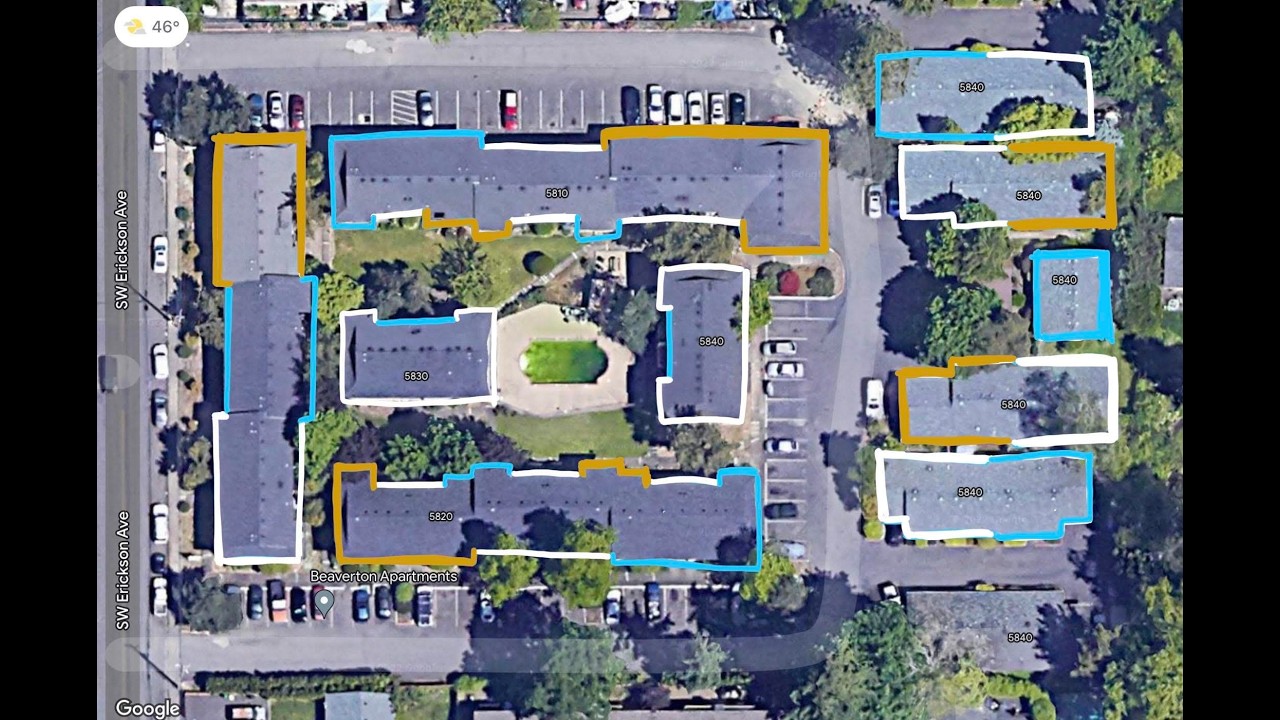
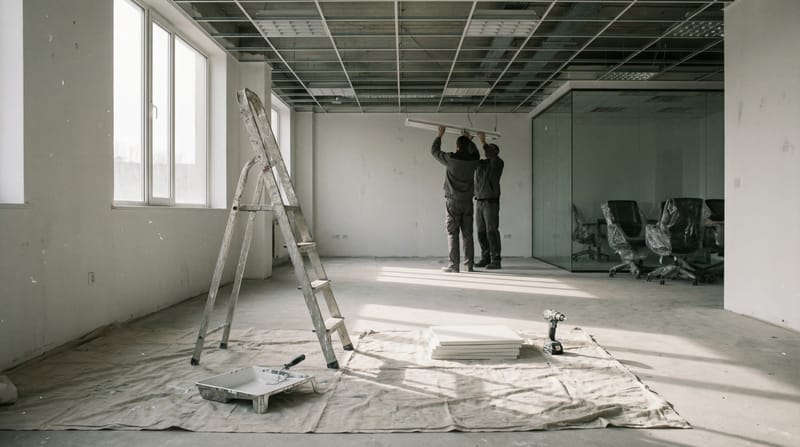
Read More  
Ready for the next step?
Portland homeowners: ECR now, or LCC if you want ongoing protection.