Rental Turn Painting Checklist for Portland Property Managers
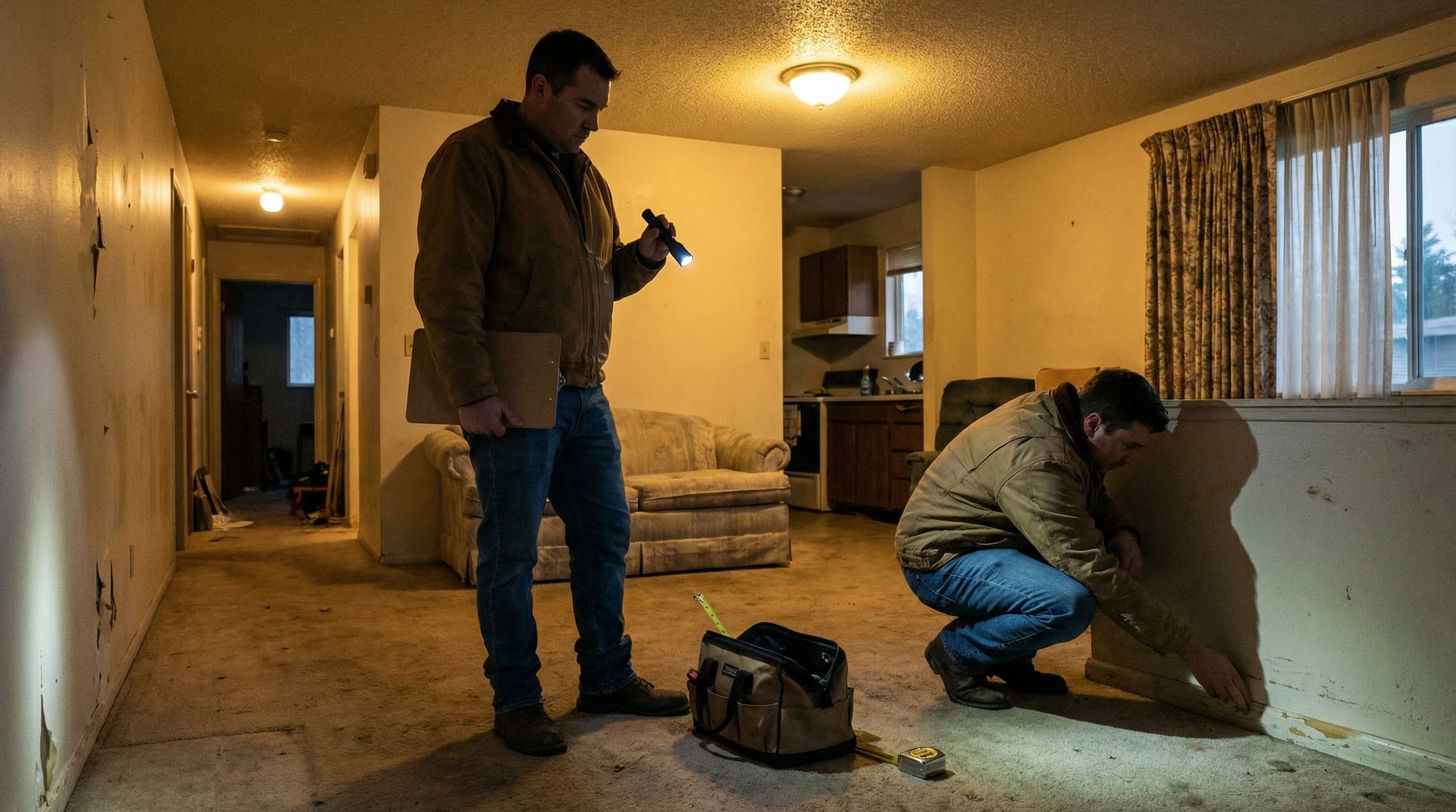
Key Features
- Rental Turn Scope Clarity
- This article helps property managers decide when a unit needs touch-up painting, one-wall repainting, room repainting or a full repaint.
- Repeatable Paint Standards
- It explains why standard wall colors, trim colors, door colors, bathroom coatings and sheen documentation reduce future maintenance headaches.
- Portland Property Management Relevance
- The article speaks directly to Portland rental realities: moisture, tight turns, tenant turnover, older buildings and rent-ready unit expectations.
For Portland property managers, rental painting is not just about making walls look better. It is about getting units clean, rentable, consistent and ready without overspending on surfaces that do not need full repainting.
The mistake I see property teams make is treating every turn like a fresh mystery. One unit gets a full repaint. The next gets random touch-ups. Another gets the wrong sheen. Someone finds an unlabeled paint can from 2019 and suddenly the hallway looks like a patchwork quilt made by a drunk maintenance goblin.
That is how rental paint systems get expensive.
A better system is simple: inspect the unit, decide what the next tenant will actually notice, match the scope to the condition, document the paint standard and bring in a painter when the repaint affects timing, rentability or long-term maintenance.
This checklist is built for Portland property managers, apartment operators, rental owners, maintenance teams and vendor managers who need a practical way to handle rental turn painting without creating chaos.
For property teams that want a consistent vendor relationship, Lightmen Painting offers property manager painting support for rental turns, unit repaints, common areas, occupied spaces and maintenance repaint planning.
Things to Know
- Touch-ups only work when color and sheen still match. If paint has faded or the sheen has changed, touch-ups can make walls look worse.
- Trim and doors matter more than most managers think. Beat-up trim can make a freshly painted unit still feel worn.
- Bathrooms need a different level of inspection. Peeling paint, mildew and ceiling stains may point to ventilation or moisture issues.
- Standard colors save money. The more consistent your property paint system is, the easier future turns become.
- A checklist prevents overspending. The goal is not to paint everything. The goal is to paint what affects rentability, presentation and maintenance.
What Should Property Managers Check First During a Rental Turn?
Start with the areas that affect rentability the most.
Before asking, “Does the whole unit need repainting?” ask this instead:
What will the next tenant notice immediately?
That question keeps your scope realistic.
Check these areas first:
- Entry walls
- Living room walls
- Kitchen walls
- Hallways
- Bathroom walls and ceilings
- Baseboards
- Interior doors
- Closet doors
- Door frames
- Trim near high-touch areas
- Stairwells
- Laundry areas
- Cabinets and vanities
- Walls near beds, couches and dining areas
- Walls around light switches
- Areas behind furniture
- Walls near trash cans or pet zones
A rental unit does not always need a full repaint to feel tenant-ready. Sometimes the right move is one room, one wall, trim and doors, or a bathroom ceiling that needs attention before it becomes a complaint.
The goal is not to paint more. The goal is to paint smarter.
Why Rental Turn Painting Needs a Repeatable System
Rental turns punish disorganization.
If every unit gets handled differently, your property slowly turns into a museum of mismatched paint decisions.
A repeatable rental painting system helps you:
- Reduce vacancy delays
- Keep units visually consistent
- Avoid unnecessary full repaints
- Make future touch-ups easier
- Protect rent value
- Reduce tenant complaints
- Help maintenance teams make faster decisions
- Help vendors price work faster
- Avoid last-minute paint panic
The best property managers do not treat painting as a panic task at the end of the turn. They build a process.
That means standard colors, standard sheens, standard scope rules and a clear decision tree for touch-up versus repaint.
Boring? Yes.
Profitable? Also yes.
Should You Touch Up or Fully Repaint a Rental Unit?
Touch-ups are great when the existing paint is recent, the color matches and the sheen has not faded.
Touch-ups are terrible when they leave shiny blotches all over the wall like a crime scene cleanup done by a raccoon.
Use Touch-Ups When:
- Wall damage is minor
- The same paint is available
- The sheen still matches
- The wall has low visibility
- The unit does not need a full refresh
- The color is part of your current property standard
- The surface is clean
- The lighting is forgiving
- The damage is isolated
Use a Wall Repaint When:
- One wall has several visible repairs
- A TV mount was removed
- Furniture rubbed one area heavily
- There are patch repairs on one surface
- Touch-ups would obviously flash
- The wall is high visibility
Wall-to-wall repainting often looks cleaner than spot touch-ups because the finish runs corner to corner.
Use a Room Repaint When:
- Multiple walls are scuffed
- The tenant used strong colors
- Previous touch-ups are obvious
- The room feels tired even after cleaning
- The room photographs poorly
- The color is outdated or inconsistent
Use a Full Unit Repaint When:
- Walls are heavily scuffed throughout
- The previous tenant lived there for several years
- Smoke, cooking residue or odor is present
- There are multiple old paint colors
- The unit needs a rent-ready reset
- The wall color is no longer part of your standard
- The rent level requires a cleaner presentation
A good Portland rental painting plan should help you avoid repainting everything blindly.
Full repaints have their place. Random full repaints are where budgets go to die wearing khakis.
Rental Turn Paint Scope Guide
Use this simple scope guide when walking a unit.
Touch-Up Only
Best for minor scuffs, recent paint, same color and sheen available.
Risk: visible flashing if paint has aged, faded or changed sheen.
One-Wall Repaint
Best for TV mount holes, furniture rub marks, patched drywall or one damaged wall.
Risk: the repainted wall may look cleaner than surrounding walls.
Room Repaint
Best for heavy room wear, tenant colors, visible patches or poor presentation.
Risk: trim may look worse next to fresh walls.
Full Unit Repaint
Best for long-term tenants, smoke/odor, major wear or full rent-ready reset.
Risk: higher cost, but often cleaner long-term.
Trim and Door Refresh
Best when walls are acceptable but baseboards, doors and frames make the unit feel tired.
Risk: labor-heavy, but high visual payoff.
For larger portfolios and apartments, connect this scope system with future content like tenant-ready repaint systems for Portland rentals.
Build a Standard Paint System for Every Rental Property
Property managers should not reinvent colors every turnover.
That gets messy fast.
Create a standard paint system for:
- Main wall color
- Trim color
- Door color
- Bathroom wall paint
- Bathroom ceiling paint
- Kitchen wall paint
- Cabinet color, if applicable
- Vanity color, if applicable
- Exterior touch-up colors
- Common area colors
- Approved sheen by surface
- Approved product line by unit type
This makes future touch-ups easier and helps every unit feel consistent.
For larger properties, this becomes even more important. If you manage apartments or multi-unit assets, this article should link sideways to multifamily painting planning for Portland properties.
Why Standard Colors Save Money
Standard paint systems help with:
- Faster turns
- Easier maintenance training
- Fewer ordering mistakes
- Cleaner vendor communication
- Less wasted paint
- Better touch-up results
- Faster unit approvals
- More predictable repaint pricing
A standard paint system is one of the simplest ways to lower repaint chaos across a rental portfolio.
What Paint Finish Works Best for Rental Properties?
Finish matters because rentals need durability and touch-up ability.
Main Walls
Most rental walls perform best with washable matte or eggshell, depending on the product line and property standard.
Eggshell is common because it offers better durability than flat paint. The downside is that eggshell can flash more during touch-ups if the paint has aged.
Bathrooms and Kitchens
Bathrooms and kitchens usually need more moisture-resistant coatings.
Use products designed for:
- Humidity
- Cleaning
- Mildew resistance
- Better adhesion
- Repeated wipe-downs
Do not use cheap flat paint in bathrooms and then act shocked when it gets weird. Paint is not a miracle worker. It has limits. Tiny emotional ones, apparently.
Trim and Doors
Trim and doors need a harder, more durable finish.
Common choices include:
- Satin
- Semi-gloss
- Urethane enamel where appropriate
Trim takes abuse from vacuums, furniture, shoes, pets and tenant move-outs. Treat it like a high-contact surface, because it is.
Do Not Ignore Trim and Doors
Walls get blamed for looking bad, but trim and doors are often the real offenders.
Check for:
- Chipped baseboards
- Dirty door edges
- Yellowed trim
- Scratched closet doors
- Damaged casing
- Pet damage
- Furniture scuffs
- Peeling door frames
- Sticky or poorly painted doors
- Damaged closet tracks
- Dirty hand-contact areas
Fresh walls with beat-up trim look half-done.
If you are charging strong rent, the unit needs to feel maintained from floor to ceiling.
Sometimes the best rental turn scope is not a full repaint. Sometimes it is wall touch-ups plus trim and door refresh. That combination can make a unit feel dramatically cleaner without painting every single surface.
This is also where future supporting content should link down into rental touch-up painting standards for Portland property managers.
Bathrooms Need Extra Attention in Portland Rentals
Bathrooms are where rental paint systems get exposed fast.
Portland’s moisture, older ventilation systems and repeated tenant use can create paint problems quickly.
Look for:
- Peeling paint near showers
- Ceiling stains
- Mildew marks
- Soft or gummy paint
- Poor ventilation signs
- Failed caulking
- Water damage
- Paint bubbling near shower edges
- Trim swelling
- Discoloration around fans
- Peeling near windows
Do not just paint over moisture problems.
That is not maintenance. That is future-you hate mail.
If paint is peeling, bubbling or separating, you may need a paint failure inspection before repainting.
What to Confirm Before Repainting a Bathroom
Before repainting a bathroom, confirm:
- The fan works
- The surface is dry
- Mildew has been cleaned properly
- Failed paint has been scraped
- Stains are primed
- Caulk issues are addressed
- The correct bathroom coating is used
- Previous coating failure is understood
If the paint is actively failing, do not treat it like a normal repaint.
That is where a painter who understands rental properties helps you avoid repainting the same bathroom ceiling over and over like some cursed maintenance ritual.
Kitchen Walls, Cabinets and Vanities Need a Separate Review
Rental kitchens take a beating.
Before turning the unit, inspect:
- Grease near cooking areas
- Wall staining
- Cabinet doors
- Drawer fronts
- Island panels
- Pantry doors
- Trim around appliances
- Paint near sink areas
- Toe kicks
- Vanity cabinets
- Cabinet edge wear
- Peeling cabinet paint
- Loose or damaged hardware
Sometimes cabinet painting makes sense for higher-end rentals or long-term asset improvement. Sometimes it is not worth it.
For dated but solid cabinets, cabinet refinishing can improve the unit without full replacement.
When Cabinet Painting Makes Sense in a Rental
Cabinet painting may make sense when:
- Cabinet boxes are solid
- The layout works
- Doors are not destroyed
- The finish is dated but salvageable
- Replacement would wreck the budget
- The unit rent supports the upgrade
- The property is moving toward a higher standard
- You want consistency across multiple units
When Cabinet Painting Does Not Make Sense
Cabinet painting may not make sense when:
- Doors are damaged beyond repair
- Boxes are swollen or failing
- The unit is budget-sensitive
- The timeline is too tight
- Tenants are likely to abuse the surface heavily
- Replacement is already planned
- The existing finish is acceptable for the unit class
Rental cabinets need durable prep and coating.
A quick scuff-and-slap paint job is how you create peeling cabinet chaos six months later.
What Should the Rental Turn Painting Workflow Look Like?
A good turn workflow keeps painting from jamming up cleaners, maintenance and move-in schedules.
Step 1: Inspect Right After Move-Out
Do an early paint walk after the tenant leaves.
Document:
- Wall damage
- Trim damage
- Door damage
- Cabinet issues
- Bathroom paint concerns
- Tenant color changes
- Smoke or odor issues
- Moisture concerns
- Repairs needed before paint
- Whether touch-up paint is available
This helps you schedule paint work before the whole turn gets backed up.
Step 2: Decide Scope Before Calling the Painter
Do not send vague requests like “paint unit.”
Send clear scope notes:
- Touch-up only
- One-wall repaint
- Room repaint
- Full unit repaint
- Trim package
- Door package
- Bathroom ceiling repaint
- Cabinet/vanity review
- Paint failure concern
Clear scope gets faster pricing and cleaner scheduling.
Step 3: Complete Repairs Before Final Paint
Painting should usually happen after drywall repairs, fixture changes, plumbing repairs and major maintenance work.
Otherwise, you risk repainting the same wall twice because someone still needed to patch behind the towel bar.
That is how budgets die tiny, annoying deaths.
Step 4: Paint Before Final Cleaning
The ideal order usually looks like this:
- Move-out inspection
- Maintenance repairs
- Drywall patching
- Painting
- Final cleaning
- Flooring touch-ups if needed
- Final walkthrough
- Tenant-ready photos
Paint before final clean, but after messy repairs.
Step 5: Final Walk With a Paint Checklist
Before approving the unit, review:
- Walls
- Trim
- Doors
- Bathrooms
- Kitchen
- Cabinets
- Closets
- Utility areas
- Touch-up flashing
- Paint drips
- Missed patches
- Color consistency
- Cleanup
This prevents “tenant found it on day one” problems.
Final Rental Turn Paint Checklist
Use this before marking the unit ready.
Walls
- Walls are clean and consistent
- Touch-ups do not flash
- Holes are patched
- Strong colors are fully covered
- Wall sheen is consistent
- Major scuffs are gone
- Corners are clean
- No visible roller lines
- No obvious lap marks
- No old patch outlines are showing
Trim and Doors
- Trim looks maintained
- Doors are clean
- Baseboards are not heavily chipped
- Door casing looks finished
- Closet doors are acceptable
- High-touch areas are cleaned or repainted
- Door edges are not dirty or peeling
- No paint drips on hardware
Bathrooms
- No active peeling
- Ceiling stains are addressed
- Mildew is cleaned
- Caulk concerns are noted
- Correct coating is used
- Fan area is checked
- Trim near water areas is sound
- Window-adjacent paint is reviewed
Kitchen
- Kitchen walls are clean
- Grease areas are cleaned and primed if needed
- Cabinets are acceptable
- Pantry doors are clean
- Trim around appliances is reviewed
- Sink-area paint is checked
- Cabinet edge wear is documented
Standards and Documentation
- Paint colors match property standards
- Product and sheen are recorded
- Maintenance notes are documented
- Future repaint needs are logged
- Unit photos are taken
- Vendor notes are saved
- Next turn recommendations are documented
This checklist helps your team approve units faster and keeps the property standard from drifting.
In Our Experience
In our experience, the best property managers do not treat painting as a panic task at the end of a turn. They build a repeatable system. Standard colors, clear touch-up rules, trusted vendors and quick scope decisions make rental painting cheaper, faster and cleaner over time. Most of the waste happens when nobody decides the scope until the unit is already supposed to be ready.
Common Rental Turn Painting Mistakes
Repainting Everything Without Inspecting First
Full repaints are sometimes necessary.
But repainting every unit every turn is expensive unless the property standard demands it.
Inspect first. Scope second. Paint third.
Touching Up With the Wrong Paint
Wrong color or sheen creates obvious flashing.
That makes the unit look patched instead of maintained.
Ignoring Trim
Fresh walls with nasty baseboards still look tired.
For rentals, trim and doors are often the difference between “clean unit” and “cheap turn.”
Painting Over Grease or Smoke Residue
Paint needs a clean, sound surface.
Cooking residue, smoke staining and odor issues need proper prep, cleaning and primer.
Skipping Moisture Diagnosis
Bathroom peeling is often a symptom, not the whole problem.
If ventilation, moisture or caulking is failing, paint alone will not save the surface.
Not Tracking Paint Standards
If your team cannot quickly identify wall color, trim color and sheen, your future touch-ups are going to be a mess.
Paint maintenance without documentation becomes archaeology.
What Should Property Managers Ask a Painting Vendor?
Before hiring a painter for rental turns, ask:
- Can you handle short turn timelines?
- Do you offer touch-up, wall repaint and full-unit repaint options?
- Can you work from a standard property paint system?
- Do you document paint colors and sheens?
- Can you identify paint failure versus normal wear?
- How do you handle bathroom peeling or moisture issues?
- Do you protect floors, fixtures and appliances?
- Can you coordinate around cleaners and maintenance?
- Can you provide clear written scopes?
- How fast can you schedule repeat turns?
- Do you handle common areas and occupied spaces too?
A good vendor should reduce chaos, not add another spinning plate to the circus.
This is why rental operators should connect paint work to a broader commercial painting service when properties include common areas, leasing offices, exterior maintenance, hallways or occupied spaces.
How This Usually Works With Lightmen Painting
For rental turns, the best workflow is simple.
First, we help identify the actual repaint scope. That may be touch-ups, wall-to-wall repainting, room repainting, trim refresh, bathroom ceiling work or a full unit repaint.
Then we help match the work to the timeline. Some turns need speed. Some need a better long-term system. Some need moisture or paint failure concerns reviewed before paint goes on the wall.
For property managers, the goal is not to make every unit fancy. The goal is to make units clean, consistent, rentable and easier to maintain over time.
That is where Lightmen Painting fits best.
Need Rental Turn Painting Support in Portland?
Need help turning units faster without sloppy paint work?
Lightmen Painting helps Portland property managers with:
- Rental turn painting
- Unit repainting
- Touch-up planning
- Interior repaint standards
- Bathroom paint failure review
- Trim and door refreshes
- Common area painting
- Occupied unit painting
- Multifamily painting support
- Maintenance repaint planning
Start with property manager painting support or request a painting estimate.
Lightmen Painting
Licensed, bonded and insured
Portland, Oregon Metro Area
CCB# 228370
503-389-5758
People Also Ask
Should rental units be repainted after every tenant?
Not always. Rental units should be repainted when walls are heavily scuffed, colors are inconsistent, previous touch-ups are obvious or the unit no longer feels rent-ready. If the paint is recent and damage is minor, touch-ups may be enough.
What paint finish is best for rental properties?
Many rental properties use washable matte or eggshell for walls and satin or semi-gloss for trim and doors. Bathrooms and kitchens usually need more durable coatings that can handle moisture and cleaning.
How do property managers save money on rental turn painting?
Property managers save money by standardizing paint colors, documenting sheen and product choices, inspecting before repainting, using touch-ups only when they blend and working with a painter who understands rental turn timelines.
When should a rental unit get a full repaint?
A full repaint usually makes sense after long-term tenancy, heavy wall damage, smoke or odor issues, strong tenant colors, visible patching throughout the unit or when the property needs a clean reset for rentability.
Why do rental touch-ups look blotchy?
Touch-ups look blotchy when the color, sheen or paint age does not match the existing wall. Even if the color is technically correct, older paint can fade or absorb light differently, causing visible flashing.
Definitions
- Rental turn painting Painting completed between tenants to make a rental unit clean, consistent and rent-ready.
- Touch-up painting Small paint repairs used to cover minor scuffs, holes or marks without repainting an entire wall or room.
- Paint flashing Visible sheen or color difference where touch-up paint does not blend with the surrounding surface.
- Full unit repaint A complete repaint of the rental unit’s walls and sometimes ceilings, trim and doors.
- Wall-to-wall repaint Repainting an entire wall from corner to corner so repairs blend evenly.
- Property manager painting Painting services designed for rental properties, apartments, common areas and tenant turnover needs.
- Multifamily painting Painting for apartment buildings, condo communities and multi-unit residential properties.
- Rent-ready unit A rental unit that is clean, repaired, safe and visually ready for a new tenant.
- Paint standard A documented paint color, product and sheen system used across units or properties.
- Sheen The level of shine in paint, such as flat, matte, eggshell, satin or semi-gloss.
- Paint failure Peeling, bubbling, cracking or separation caused by moisture, poor prep, wrong product or surface problems.
- Maintenance repaint Painting performed as part of ongoing property upkeep rather than a decorative upgrade.
A rental turn painting checklist helps Portland property managers decide when a rental unit needs touch-up painting, one-wall repainting, room repainting or a full unit repaint before the next tenant moves in. Rental turn painting should focus on rent-ready presentation, clean walls, durable trim, bathroom moisture concerns, kitchen grease areas, cabinet condition and consistent property paint standards. Property managers in Portland can reduce vacancy delays and maintenance costs by using standard wall colors, trim colors, door colors, bathroom coatings and documented sheen choices across rental units. A strong rental painting process helps prevent paint flashing, mismatched touch-ups, unnecessary full repaints and tenant complaints. Lightmen Painting supports property manager painting, multifamily painting, rental unit repainting, occupied unit painting, touch-up planning and maintenance repaint systems throughout the Portland metro area.