Can You Paint a House in Wilsonville During Winter? Interior vs. Exterior Projects
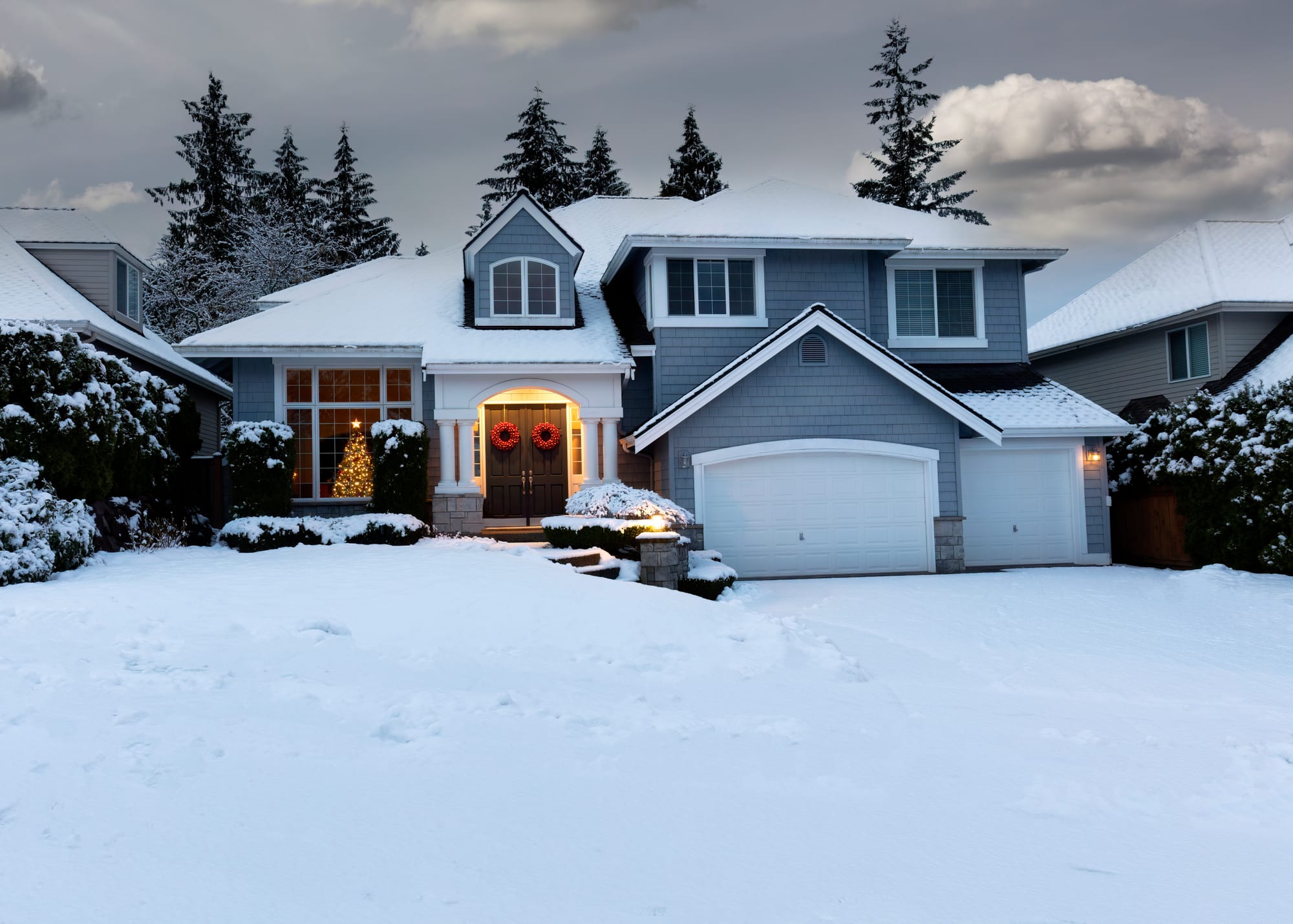
Yes, you can paint a house in Wilsonville during winter.The more useful answer is:It depends which side of the wall you're painting.Winter changes exterior painting dramatically.Interior painting?Much less.That distinction matters in Wilsonville, where wet weather is not a brief interruption between otherwise dry winter days. The City describes the local climate as having cool, wet winters, with most rainfall occurring between October and March.So once winter arrives, homeowners should stop thinking about “painting season” as though every type of painting follows the same calendar.Interior projects can often move forward normally.Exterior projects become dependent on:
- Rain
- Surface moisture
- Temperature
- Dew
- Drying time
- Project size
- Product requirements
That creates two very different winter painting conversations.Lightmen Painting serves Wilsonville through both our professional interior painting services and Portland Metro exterior painting services.Here's how to decide which projects make sense during winter.
Wilsonville Has a Real Wet Season
Wilsonville's winter climate is not exactly subtle.The City's current stormwater planning describes the area as having cool, wet winters and says most rainfall occurs between October and March.December is identified as the wettest month, with roughly 7.1 inches of precipitation based on nearby Aurora State Airport data used by the City.For exterior painting, that means reliable multi-day dry windows become harder to find.For interior painting, it means the windows are closed more often.Slightly different problem.
Can Interior Painting Be Done During a Wilsonville Winter?
Absolutely.Interior painting is one of the better winter home-improvement projects because the important environmental conditions can usually be controlled.Inside the house, painters can manage:
- Temperature
- Ventilation
- Protection
- Surface preparation
- Drying
- Access
Rain falling outside does not automatically affect whether your bedroom wall can be painted.That makes winter a practical time for projects involving:
- Bedrooms
- Living rooms
- Kitchens
- Bathrooms
- Hallways
- Offices
- Ceilings
- Trim
- Doors
Lightmen's interior painting service explicitly serves Wilsonville and covers anything from individual rooms to complete interior repaints.
Winter Can Actually Be a Great Time for Interior Painting
There are some practical advantages.Exterior contractors often have more weather uncertainty during winter.Interior work does not face the same limitation.You may also be spending more time indoors and noticing:
- Scuffed walls
- Outdated colors
- Beat-up trim
- Old ceiling stains
with renewed enthusiasm.Nothing makes you reconsider a wall color quite like staring at it through four months of Oregon rain.
Can You Paint Interior Walls While It Is Raining?
Yes.Rain outside does not make interior wall paint fail.Indoor conditions still matter, but those can usually be managed.The wall needs to be:
- Clean
- Sound
- Properly patched
- Properly primed where needed
The room should have appropriate:
- Temperature
- Ventilation
- Drying conditions
That is very different from exterior siding sitting directly in the weather.
Does Winter Humidity Affect Interior Paint?
It can influence drying, but it usually does not stop the project.A heated home creates a much more predictable environment than the exterior.The contractor still needs to think about:
- Indoor temperature
- Ventilation
- Product dry time
especially in moisture-heavy spaces.But a Wilsonville rainstorm outside does not normally mean:Sorry, everyone. The living room has been defeated by precipitation.Interior painting remains practical.
Can Bedrooms Be Painted During Winter?
Yes.Bedrooms are excellent winter projects.Typical work may include:
- Wall painting
- Ceiling painting
- Baseboards
- Doors
- Window trim
- Closets
Winter also gives homeowners time to tackle rooms one at a time if they do not want the entire house disrupted at once.
What About Living Rooms and Great Rooms?
Also good candidates.Larger rooms may involve:
- Tall ceilings
- Large walls
- Stair transitions
- Architectural trim
but the seasonal weather issue remains largely outside.The bigger concern is managing:
- Furniture
- Daily use
- Drying
- Access
rather than waiting for the rain to stop.
Can Kitchens Be Painted in Winter?
Yes.Kitchen painting is often more about preparation than weather.Walls may need cleaning because of:
- Grease
- Cooking residue
- Regular wiping
- Moisture
Fresh paint does not suddenly develop degreasing abilities just because someone bought the premium line.Clean first.Prep properly.Then coat.
Can Bathrooms Be Painted During Winter?
Yes, but bathrooms deserve special moisture attention.They deal with:
- Steam
- Humidity
- Frequent cleaning
- Ventilation
If a bathroom has recurring:
- Peeling
- Mildew
- Water staining
the contractor should understand why before simply repainting it.Sometimes the coating is old.Sometimes ventilation is poor.Sometimes there is a separate moisture issue.Interior paint should not be asked to repair plumbing either.
Can Interior Ceilings Be Painted During Winter?
Yes.Ceilings are another strong winter project.A fresh ceiling can help with:
- Yellowing
- Old repairs
- Stains
- General brightening
But stains deserve evaluation.If the stain came from a roof or plumbing leak, fix the source before treating the ceiling.Painting an active leak stain is basically setting a reminder for yourself.It will return.
Can Interior Trim and Doors Be Painted in Winter?
Yes.Baseboards, casing, doors, crown molding and other trim can be painted in controlled indoor conditions.These surfaces often show wear faster than walls because they deal with:
- Shoes
- Vacuums
- Furniture
- Hands
- Kids
- Pets
Sometimes a room does not need a dramatic color transformation.Fresh trim and doors can make the entire space feel finished again.
What About Cabinet Painting?
Cabinet refinishing can also be a winter-friendly project when the coating system and work environment are properly controlled.Cabinet work is more specialized than ordinary wall painting.Preparation may involve:
- Cleaning
- Degreasing
- Sanding
- Bonding primer
- Cabinet-grade finish coatings
- Controlled drying and curing
Parts may also be removed and finished separately depending on the process.Winter does not automatically prevent cabinet work.Environmental control matters much more than the rain outside.
Does Exterior Painting Stop Completely During Winter?
No.But it becomes much more conditional.There can be winter days when exterior painting is technically appropriate.Modern coatings can also extend the usable temperature range.The problem is that exterior painting requires more than a few hours of acceptable air temperature.The contractor has to evaluate:
- Surface moisture
- Recent rain
- Surface temperature
- Forecast
- Overnight conditions
- Dew
- Product requirements
A dry afternoon is useful.It is not automatically a full painting window.
The Surface Has to Be Dry
This is the biggest winter limitation.Sherwin-Williams' current exterior guidance says surfaces should be clean, sound and dry before painting.It also advises against painting immediately after rain or during foggy conditions.That becomes very important in Wilsonville winter weather.Rain can stop while the siding remains wet.The clouds can break while exposed wood is still holding moisture.The driveway can be dry before a shaded wall is.The weather app does not get the final vote.The substrate does.
Wood Can Hold Moisture After Rain
Wood is especially important.A sound painted surface can shed a lot of water.But exposed or weathered wood may absorb significantly more.That means a house with:
- Peeling paint
- Bare trim
- Failed coating
- Older wood siding
may need more drying time than a home with an intact coating system.Sherwin-Williams recommends at least a day after heavy rainfall as a general minimum while emphasizing that the actual surface must still be dry.That second part is the important part.
Can You Paint Exterior Fiber Cement During Winter?
Potentially.Fiber cement behaves differently from wood, but the surface still needs to meet the coating requirements.You still have to consider:
- Moisture
- Temperature
- Dew
- Rain
- Previous paint
Material type changes the drying question.It does not eliminate it.
Can You Paint Exterior Trim in Winter?
Sometimes.Small trim projects are easier to fit into short weather windows than entire house repaints.For example, you might have:
- One failing trim board
- Small bare areas
- Localized maintenance
If the surface can dry properly and the coating has enough suitable weather afterward, targeted work may be possible.That is very different from trying to wash, scrape, prime and repaint the entire house during a three-day winter forecast.
Project Size Changes the Winter Answer
This is one of the most useful ways to think about exterior work.Imagine Wilsonville gets four unusually decent winter days.That may be enough for:Small project
- One trim area
- A door
- Localized maintenance
It may not be enough for:Large project
- Washing
- Drying
- Scraping
- Repairs
- Primer
- Two finish coats
- Entire exterior
The weather did not change.The amount of work did.
Can Exterior Doors Be Painted in Winter?
Potentially.An exterior door may be partially sheltered and smaller than a full elevation.But the exterior face still has to deal with:
- Moisture
- Temperature
- Drying time
There is also a practical issue.The door eventually needs to close.A freshly painted exterior door that cannot safely be closed tonight creates a rather expensive ventilation feature.The project needs to be planned around use as well as coating conditions.
What About Covered Porches?
Covered areas can sometimes provide useful winter work.Examples may include:
- Porch ceilings
- Protected trim
- Covered entry components
But “covered” does not mean “interior.”Exterior surfaces can still experience:
- Humidity
- Cold
- Dew
- Wind-driven rain
Check the actual surface.Not simply whether a roof happens to be above it.
Can Garage Interiors Be Painted During Winter?
Usually, yes—with one important caveat.Garages can be colder than the living space.An unheated garage may also be more humid.That means the actual temperature and product requirements still matter.Garage walls and ceilings may be sheltered from rain.They are not automatically living-room conditions.
What About Exterior Garage Doors?
Treat the exterior side like an exterior project.A garage door still faces:
- Rain
- Moisture
- Temperature swings
even though there is technically a garage behind it.Material matters too.The door may be:
- Metal
- Wood
- Composite
The coating system should match the material and existing finish.
Can Exterior Painting Be Done at 40 Degrees?
Sometimes, depending on the product.Some modern exterior coatings are formulated for application at temperatures around 35°F.That gives painters more flexibility than older paint systems.But the specific product's:
- Air-temperature requirement
- Surface-temperature requirement
- Material-temperature requirement
must still be followed.And low-temperature capability does not mean:Paint wet siding at 36°F in December because technically the label permits 35°F.Minimum temperature is one condition.Not the entire decision.
Why Overnight Temperatures Matter
Fresh exterior paint continues drying after the crew leaves.Sherwin-Williams warns that fall and winter coating problems can occur when daytime temperatures are acceptable but nighttime temperatures fall significantly.Then add dew.A surface that looked great at 3:00 PM may encounter moisture several hours later.The painter should therefore consider:Tonightnot merely:Right now.
What Does Dew Have to Do With Winter Painting?
A lot.Dew can form even when no rainfall is forecast.That moisture can:
- Delay morning application
- Reach paint applied too late the previous afternoon
Sherwin-Williams notes that many products need several hours of drying before moisture settles onto the surface.So winter crews may need to:
- Start coating later
- Stop coating earlier
The middle of the day becomes the useful application period.
Why Does Exterior Paint Dry Slower in Winter?
Lower temperatures generally slow coating drying.Higher humidity can contribute too.That affects:
- Recoat timing
- Daily production
- When masking can be removed
- How late paint can be applied
The project may still require the same labor.But those hours may need to be spread across more calendar days.
Five Working Days May Not Mean Monday Through Friday
This is an important winter expectation.Suppose the exterior contains five production days.The schedule could look like:Monday: prepTuesday: rainWednesday: additional prepThursday: surface still dryingFriday: coatingMonday: rainTuesday: coatingWednesday: final workThe project lasts longer on the calendar.That does not necessarily mean the crew has added more labor.Weather created gaps between the usable production days.
Can Painters Work While It Rains?
Sometimes the crew can perform other tasks.Depending on the stage and conditions, work might include:
- Interior work
- Protected setup
- Material organization
- Selected repairs
- Masking
- Appropriate preparation
But some exterior tasks simply need dry conditions.A contractor should not apply paint just to prove that work is happening.Sometimes productive work is knowing when not to coat the wall.
Should You Pressure Wash an Exterior During Winter?
Potentially, but remember what washing does.It makes the house wet.Cleaning may be necessary to remove:
- Dirt
- Mildew
- Organic contamination
- Chalking
But the surface then needs enough drying time before coating.In summer, the schedule may move quickly.During a cool Wilsonville winter stretch, drying can take considerably longer.So:Wash today, paint tomorrowshould never be treated as an automatic law of nature.
Winter Makes Heavy Prep Projects Harder
Now consider a house with:
- Widespread peeling
- Bare wood
- Failed caulk
- Multiple repairs
- Mildew
This project needs several sequential steps.Each step may need:
- Dry substrate
- Drying afterward
- Another coating window
That is why heavily weathered exteriors are much harder to complete reliably during winter than small maintenance projects.The problem is not only the paint.It is the entire sequence.
What Happens If Prep Exposes Bare Wood?
Now that wood needs protection.But it also needs to be sufficiently dry before primer.So the contractor needs to sequence scraping intelligently.Opening a large area of bare substrate right before another week of rain may not be a great plan.Good preparation is not:Scrape everything immediately.It is:Move the project toward a stable, properly coated surface in the right sequence.
What If Exterior Paint Is Already Peeling?
Do not simply ignore it because it is winter.Inspect it.Peeling may indicate:
- Normal coating deterioration
- Poor old preparation
- Moisture
- Substrate trouble
Lightmen's paint-failure resources can help when the same area repeatedly fails.You may determine that:The house can wait until spring.That's fine.At least now you know.Or you may discover:One exposed area deserves maintenance before then.Different answer.
Winter Can Actually Be a Good Time for an Exterior Condition Report
There is a useful upside to wet weather.Moisture can make some patterns easier to see.You may notice:
- One wall staying damp
- Peeling beneath a gutter
- Recurring mildew
- Dark trim
- Failed caulk
- Bare wood
If you do not yet know whether the house needs repainting, Lightmen's Exterior Condition Report can help separate:
- Healthy coating
- Maintenance needs
- Localized failure
- Full repaint planning
That is different from asking immediately for a whole-house repaint estimate.
When Is an Exterior Estimate the Better Choice?
Use an estimate when you already know the project.For example:We are repainting the entire exterior.Now the questions become:
- Scope
- Prep
- Products
- Price
- Schedule
Use the ECR when the question is:Does this exterior actually need to be repainted yet?Different question.Different tool.
Winter Is a Great Time to Plan Spring Exterior Painting
Even when exterior production should wait, almost all of the planning can happen.Winter is useful for:
- Exterior inspection
- Repair decisions
- Choosing colors
- Comparing proposals
- Product discussions
- Budgeting
- Scheduling
Then when the weather becomes more reliable, the project can move.That is much better than remembering on the first beautiful weekend in May that the exterior has been peeling since Thanksgiving.
You Can Also Paint the Interior While You Wait
This is where Wilsonville winter planning gets particularly practical.Suppose you need:
- Full interior repaint
- Exterior repaint
There is no reason both projects need to wait for exterior weather.You might do:WinterInterior walls, ceilings, doors and trim.Exterior condition assessment.Exterior estimate.Color planning.Dry seasonExterior prep and repaint.That splits the projects around conditions instead of asking Oregon weather for permission to do everything at once.
Can Interior and Exterior Colors Be Planned Together?
Absolutely.If you are making broader updates, winter can be a useful planning period.You can consider:
- Exterior body
- Exterior trim
- Front door
- Interior neutrals
- Accent colors
without needing to immediately apply every choice.Color selection is not weather-dependent.Thankfully, paint swatches remain remarkably resistant to rain forecasts when they are inside the house.
What About Selling a Wilsonville Home During Winter?
Interior painting may be especially valuable before listing because it can improve:
- Brightness
- Cleanliness
- Neutral presentation
- Photography
Exterior work becomes more condition-dependent.If the exterior is still protective but merely dated, you may decide it can wait.If there is:
- Peeling
- Exposed wood
- Obvious trim failure
that may deserve attention because buyers and inspectors can notice it too.The decision should follow the condition and transaction timeline.
Is Exterior Touch-Up a Good Winter Strategy?
Sometimes.But touch-up has limitations.A small repair may make sense when:
- The surrounding coating is sound
- Color match is acceptable
- Surface can be prepared correctly
Touch-up becomes less useful when:
- Failure is widespread
- The coating is heavily faded
- Multiple areas need work
At that point, you may be turning one project into thirty small ones.That is generally less charming than it sounds.
Can One Elevation Be Painted Instead of the Whole House?
Potentially.One side may deteriorate faster because of:
- Sun
- Shade
- Moisture
- Vegetation
A phased approach can sometimes protect the most vulnerable area while delaying broader work.Lightmen's guide to phased and maintenance painting explains why exterior condition can justify doing less than a complete repaint.There are tradeoffs.The newer paint may look different.Maintenance cycles will differ.But the best project is not automatically the biggest one.
Is Winter the Best Time for a Full Exterior Repaint?
Usually not.There can be good winter weather windows.But Wilsonville's climate makes larger exterior projects significantly harder to schedule reliably.The City's climate data shows most rain occurs from October through March, with December normally the wettest month.For a large exterior with multiple prep and coating stages, a more dependable dry-season window generally gives you:
- Longer workdays
- Better drying
- More consistent production
- Fewer interruptions
That does not mean winter exterior work is forbidden.It means the project needs to justify the conditions.
Is Winter a Good Time for Interior Painting?
Much more often, yes.That is the fundamental takeaway.When the question is:Can you paint a house in Wilsonville during winter?The answer should not be one word.It should be:Inside? Absolutely.Outside? Let's look at the house, the weather and the scope first.That distinction prevents homeowners from delaying useful interior work simply because exterior painting has become weather-dependent.
What Should a Winter Interior Estimate Include?
A professional estimate should define:
- Rooms
- Walls
- Ceilings
- Trim
- Doors
- Prep
- Repairs
- Primer
- Products
- Coat expectations
- Furniture responsibilities
- Protection
- Schedule
- Cleanup
- Walkthrough
Lightmen's guide to what a professional painting estimate should include explains why clear scope matters more than simply comparing totals.“Paint interior” is not much of a scope.It is more of a general aspiration.
What Should a Winter Exterior Estimate Include?
The same core clarity, plus weather assumptions.Understand:
- Washing
- Drying
- Scraping
- Sanding
- Caulking
- Repairs
- Primer
- Finish products
- Application conditions
- Weather delays
- Access
A contractor should not promise a rigid exterior schedule that requires ignoring unsuitable weather.The coating requirements should win that argument.
How Should Weather Delays Be Communicated?
Clearly.A useful message sounds like:“The siding is still holding moisture from yesterday's rain, so we're continuing appropriate prep today and will reassess coating conditions tomorrow.”That is better than:“Weather.”Lightmen's project communication guide explains why homeowners should understand what was completed, what changed and what happens next.Winter increases the value of that communication.
What Are the Biggest Wilsonville Winter Painting Red Flags?
“We paint exteriors in any weather.”No.Painting wet sidingThe substrate needs to dry.Ignoring nighttime temperaturesFresh paint is still drying after sunset.No concern about dewRain is not the only moisture source.No specific exterior productProduct requirements matter more during marginal conditions.Automatically postponing all interior work until springCompletely unnecessary.Trying to force a huge exterior restoration through tiny dry windowsThe calendar is not the coating system's boss.
What Are the Green Flags?
Look for a Wilsonville painter who understands that winter creates two different projects.For interiors:
- Controlled conditions
- Protection
- Clean prep
- Organized scheduling
For exteriors:
- Surface-moisture awareness
- Product knowledge
- Weather monitoring
- Drying time
- Flexibility
- Communication
The important skill is not simply knowing how to apply paint.It is knowing when each surface is ready for it.
What Should Wilsonville Homeowners Expect From Lightmen Painting?
Lightmen Painting's live interior painting service and exterior painting service both explicitly include Wilsonville among the communities we serve.During winter, we treat those projects differently.Interior work can include:
- Walls
- Ceilings
- Trim
- Doors
- Rooms
- Full interior repaints
under controlled indoor conditions.Exterior work requires another layer of decision-making around:
- Rain
- Moisture
- Temperature
- Dew
- Surface condition
- Drying windows
Sometimes the exterior answer is:Yes, this limited project fits the current conditions.Sometimes:Let's address this maintenance item.Sometimes:Let's inspect and plan the full exterior for a better weather window.The best answer depends on the actual home.If you're considering a winter interior project, review Lightmen's interior painting service and request an estimate.If you're concerned about exterior peeling, exposed wood or uncertain coating condition, start with an Exterior Condition Report or review our exterior painting process.Winter does not stop house painting.It changes which projects make the most sense.Lightmen Painting
Oregon CCB# 228370
503-389-5758
scheduling@lightmenpainting.comWe show up, every time.
3. KEY FEATURES
Clear Wilsonville winter decision: Separates interior and exterior painting instead of treating “winter painting” as one subject.Strong local climate basis: Wilsonville's current municipal planning identifies cool, wet winters, most rainfall from October through March, and December as the wettest month. wilsonvilleoregon.govInterior conversion opportunity: Turns the rainy season into a productive time for walls, ceilings, trim, doors and full interior repaints.Balanced exterior answer: Does not falsely claim exterior painting is impossible all winter—or pretend modern low-temperature paint makes weather irrelevant.Natural Wilsonville internal linking: Both the live Lightmen interior and exterior pages explicitly list Wilsonville. Lightmen Painting CCB# 228370ECR route: Gives homeowners with uncertain exterior condition a logical next step without automatically selling a full repaint.
4. THINGS TO KNOW
- Wilsonville's municipal climate planning describes cool, wet winters with most rainfall occurring from October through March.
- Interior painting can generally continue throughout winter because indoor temperature and drying conditions can be controlled.
- Exterior surfaces need to be clean, sound and dry before coating.
- Wood can hold moisture after rain even when the weather has cleared.
- Some modern exterior paints can be applied at temperatures around 35°F when the specific product permits it, but moisture, dew and post-application conditions still matter.
- A small exterior maintenance project can fit a weather window that is too short for a complete exterior repaint.
- Winter exterior projects can require more calendar days even when the underlying labor scope remains unchanged.
- Heavy-prep projects with washing, bare wood, repairs and multiple coats are harder to complete reliably during winter.
- Winter is an excellent time to complete interior work and plan a future exterior repaint.
- Lightmen's current interior and exterior service pages both specifically include Wilsonville.
5. IN OUR EXPERIENCE
In our experience, the phrase “painting season” causes more confusion than it solves.Interior painting does not suddenly become unavailable because Oregon decided to rain until Tuesday.Exterior painting is different.The wall gets a vote.The forecast gets a vote.The paint manufacturer gets a vote.And sometimes all three vote against the schedule.I'd rather move a winter exterior project to a better window than pretend the calendar somehow makes wet siding dry.Meanwhile, if you want the living room painted, we can stop discussing the weather almost immediately.That is the useful difference.
6. PEOPLE ALSO ASK
Can you paint a house in Wilsonville during winter?
Yes. Interior painting can generally continue throughout winter under controlled indoor conditions. Exterior painting is more weather-dependent and requires dry surfaces, appropriate temperatures and adequate drying time before additional rain, dew or cold conditions.
Is winter a good time for interior painting in Wilsonville?
Yes. Bedrooms, living rooms, kitchens, bathrooms, offices, ceilings, trim and doors can all be good winter projects because indoor environmental conditions are much easier to control.
Can exterior house paint be applied during winter?
Sometimes. Suitable winter exterior painting depends on the substrate being dry, the selected coating's temperature requirements and a long enough weather window after application.
Can exterior paint be applied below 50 degrees?
Some modern exterior coatings are formulated for application at temperatures around 35°F. Always follow the specific product's requirements for air, surface and material temperature.
How long after winter rain should siding dry before painting?
There is no universal wait time. Wood and masonry can retain significant moisture after heavy rain. Manufacturer guidance recommends at least one day as a general minimum after heavy rain while emphasizing that the actual surface must be dry.
Can you paint exterior trim during winter?
Potentially. Small trim or maintenance projects may fit appropriate weather windows more easily than full-house repaints.
Does exterior paint dry slower in cold weather?
Generally, yes. Cooler temperatures can slow drying and lengthen recoat times, reducing the number of usable coating hours in a winter day.
Should I schedule my Wilsonville exterior repaint during winter for spring?
That can be a smart approach. Winter can be used to inspect the exterior, identify repairs, choose colors, obtain estimates and reserve a more dependable dry-weather production window.
7. KEYWORD DEFINITIONS
- Wilsonville house painting: Residential interior or exterior painting services for homes in Wilsonville, Oregon.
- Winter painting: Painting performed during the cooler and wetter months, with very different considerations for interior and exterior surfaces.
- Interior painting: Preparation and coating of walls, ceilings, trim, doors and other surfaces inside the home.
- Exterior painting: Preparation, priming and finish coating of siding, trim and other outdoor surfaces.
- Surface moisture: Water present on or retained within the material being painted.
- Substrate: The underlying surface receiving paint, such as drywall, wood, fiber cement, masonry or metal.
- Weather window: A period when rain, temperature, moisture and drying conditions support exterior painting.
- Drying window: The period after paint application during which environmental conditions must remain suitable for proper early drying.
- Surface temperature: The temperature of the actual surface being coated rather than the surrounding air alone.
- Dew: Condensed atmospheric moisture that can form on surfaces overnight or early in the morning.
- Recoat time: The required interval before another coat of paint can be applied.
- Cure time: The longer process through which a coating develops its intended hardness and performance.
- Surface preparation: Cleaning, patching, scraping, sanding, caulking and priming completed before finish painting.
- Paint adhesion: The bond between a coating and the surface or previous coating below it.
- Bare wood: Exterior wood no longer protected by an intact coating.
- Spot priming: Applying primer only to selected bare, repaired or problem areas.
- Maintenance painting: Localized coating work intended to maintain otherwise serviceable painted surfaces.
- Phased painting: Completing selected parts of a larger painting project separately.
- Production day: A day containing useful project work; exterior production days may not occur consecutively during winter.
- Exterior Condition Report: Lightmen Painting's exterior assessment resource used to help determine maintenance and repaint priorities.
8. SEARCH-ENGINE-ONLY SECTION
House painting in Wilsonville can continue during winter, but interior and exterior projects have very different weather requirements. Interior walls, ceilings, trim, doors, kitchens, bathrooms, bedrooms and other controlled indoor surfaces can usually be painted throughout Wilsonville's rainy season. Exterior painting is more dependent on dry siding, air and surface temperature, morning dew, recent rainfall and enough suitable drying time after application. Small exterior maintenance projects may fit winter weather windows, while full exterior repaints with washing, extensive preparation, bare wood, repairs, primer and multiple finish coats are generally easier to complete during more dependable dry-weather periods.
9. META DATA
Article Title:Can You Paint a House in Wilsonville During Winter? Interior vs. Exterior ProjectsSEO Meta Title:Wilsonville Winter House Painting | Interior vs. ExteriorMeta Description:Can you paint a Wilsonville home in winter? See which interior projects can continue normally and when exterior painting should wait for better weather.Keyword Meta Tag:Wilsonville house painting, Wilsonville painters, interior painting Wilsonville, exterior painting Wilsonville, winter house painting OregonSuggested Slug:can-you-paint-house-wilsonville-winter-interior-vs-exteriorSuggested Canonical URL:lightmenpainting.com/blog/can-you-paint-house-wilsonville-winter-interior-vs-exteriorSuggested SEO Category:Wilsonville Painting / Seasonal PaintingSuggested Tags:Wilsonville painting, winter painting, interior painting, exterior painting, rainy season, Oregon painters, Portland MetroHashtags:#WilsonvilleOregon #WilsonvillePainting #InteriorPainting #ExteriorPainting #WinterPainting #HousePainting #LightmenPaintingSuggested Open Graph Title:Winter Doesn't Stop House Painting in Wilsonville—But It Changes the ProjectSuggested Open Graph Description:Interior painting can keep moving while exterior work becomes weather-dependent. Here's what Wilsonville homeowners can realistically paint during winter.Suggested Featured Snippet Answer:You can paint a Wilsonville home during winter. Interior walls, ceilings, trim and doors can generally be painted normally under controlled indoor conditions. Exterior painting requires dry surfaces, suitable air and surface temperatures and enough drying time before rain, dew or colder conditions return.
10. CONVERSION LAYER
Choose the Project That Fits the Season
Great winter candidates:Interior walls, ceilings, bedrooms, living rooms, kitchens, bathrooms, offices, hallways, trim and interior doors.Potentially workable depending on conditions:Garages, sheltered exterior areas, exterior doors, targeted trim and localized exterior maintenance.Usually easier in a dependable dry-weather window:Full exterior repaints, extensive wood restoration, heavy peeling-paint projects and large scopes requiring washing, repairs, primer and multiple coats.Lightmen Painting serves Wilsonville through both our interior painting service and exterior painting service.Ready for an interior project? Request a painting estimate.Unsure whether the exterior actually needs repainting yet? Start with an Exterior Condition Report.Lightmen Painting
Oregon CCB# 228370
503-389-5758
scheduling@lightmenpainting.comWe show up, every time.
11. DOWNLOADABLE ASSET
Wilsonville Winter Painting Decision Checklist
Suggested PDF Title:Wilsonville Winter Interior vs. Exterior Painting PlannerSuggested Article Anchor:Download the Wilsonville Winter Painting ChecklistFinal Asset URL:[DOWNLOADABLE ASSET PLACEHOLDER — replace after upload]
Interior Project
- Bedrooms
- Living room
- Kitchen
- Bathroom
- Hallways
- Home office
- Ceilings
- Trim
- Interior doors
- Cabinets
Interior Conditions
- Home heated
- Surfaces dry
- Ventilation available
- Water damage resolved
- Prep needs identified
Exterior Project
- Siding
- Trim
- Fascia
- Exterior doors
- Garage door
- Covered porch
- Other exterior area
Recent Exterior Weather
- No recent rain
- Light rain
- Heavy rain
- Several wet days
- Fog
- Morning dew
Exterior Condition
- Coating sound
- Fading
- Peeling
- Blistering
- Bare wood
- Failed caulk
- Mildew
- Soft wood
- Water staining
Exterior Weather Window
- Surface dry
- Surface temperature suitable
- Air temperature suitable
- Product suitable for temperature
- Morning dew gone
- Enough drying time before evening
- Enough time before next rain
Project Size
- Small exterior maintenance
- One elevation
- Trim only
- Full exterior
- Heavy prep / restoration
Winter Decision
- Paint interior now
- Exterior maintenance may be practical
- Exterior Condition Report
- Exterior repair first
- Plan full exterior for dry season
- Request estimate
12. GOOGLE BUSINESS PROFILE POST
Can You Paint a House in Wilsonville During Winter?
Yes—but interior and exterior painting are two very different winter projects.Inside, winter is a great time for:
- Walls
- Ceilings
- Bedrooms
- Living rooms
- Kitchens
- Bathrooms
- Trim
- Doors
Outside, we need to check:
- Recent rain
- Siding moisture
- Surface temperature
- Morning dew
- Overnight temperatures
- The next rain system
- How much drying time the paint needs
A small exterior maintenance project may fit a good winter weather window.A full exterior repaint with washing, repairs, primer and multiple coats may be much better planned for a more dependable dry season.The rain doesn't stop house painting.It changes which project makes sense.Lightmen Painting
Oregon CCB# 228370
503-389-5758
Do You Have Questions? Give Us A Call!
If you’re in the Portland, OR metro area and you want:a clean plan before repainting, orhelp diagnosing exterior paint failures, ora crew that resolves issues like adults or
You Just Have Questions…
Here’s the easiest path:Request an estimateEmail: scheduling@lightmenpainting.com
Call: 503-389-5758
-
People Also Ask:
What are the main differences between acrylic and latex paint?
Acrylic paint is known for its durability and flexibility, making it suitable for outdoor environments and areas exposed to harsh conditions. It's made with a synthetic resin that helps it withstand the elements. Latex paint, on the other hand, is water-based and popular for indoor walls and ceilings due to its quick-drying nature and ease of cleanup.
Why should I choose low-VOC paints for indoor projects?
Low-VOC (Volatile Organic Compounds) paints are recommended for indoor projects because they emit fewer harmful chemicals into the air, improving indoor air quality and reducing health risks. These paints are particularly important in enclosed spaces or homes with children, the elderly, or those with respiratory issues.
Can acrylic paint be used indoors as well as outdoors?
Yes, acrylic paint can be used both indoors and outdoors. Its versatility is due to its durable nature, which makes it resistant to weathering and capable of retaining color and finish over time. However, due to its strong odor and chemical composition, proper ventilation is essential when using it indoors.
-
Definitions
- Painting dispute resolution: A structured process for resolving disagreements about scope, quality, schedule, or pricing on a painting project.
- Scope of work: The exact list of surfaces, prep steps, and deliverables included in a project.
- Scope creep: Uncontrolled expansion of the project beyond agreed scope (often caused by add-ons).
- Change order: A written modification to the original agreement covering scope/cost/schedule changes.
- Punch list: A final checklist of corrections required before completion and final payment.
- Adhesion failure: When paint doesn’t properly bond and peels, flakes, or separates from the surface.
- Substrate: The underlying surface being painted (wood, siding, stucco, metal, etc.).
- Surface prep: Cleaning, scraping, sanding, priming, caulking, and repairs done before painting.
- Moisture intrusion: Water entering materials or assemblies, often causing rot, mold, or coating failure.
- Quality standards: Measurable expectations for coverage, finish uniformity, edges, and corrections.
- Walkthrough: An on-site review with the client to confirm completion and build a punch list.
- Exterior Paint Condition Report (ECR): An inspection-style evaluation of exterior coating condition and risk factors to guide repair/repaint decisions.
Serving Portland Homeowners Since 2019
Lightmen Painting works with homeowners across the greater Portland metro area — from first-time consultations to full exterior repaints. Whether you need a second opinion on a contractor's quote, a diagnosis for peeling paint, or a crew that shows up on time and communicates clearly, we're the team Portland homeowners call.We serve: Portland, Tigard, Lake Oswego, Tualatin, West Linn, Milwaukie, Sherwood, Happy Valley, Oregon City, Beaverton, Hillsboro, and Gresham.