Milwaukie House Painting in Fall: How Rain and Cooler Temperatures Change the Job
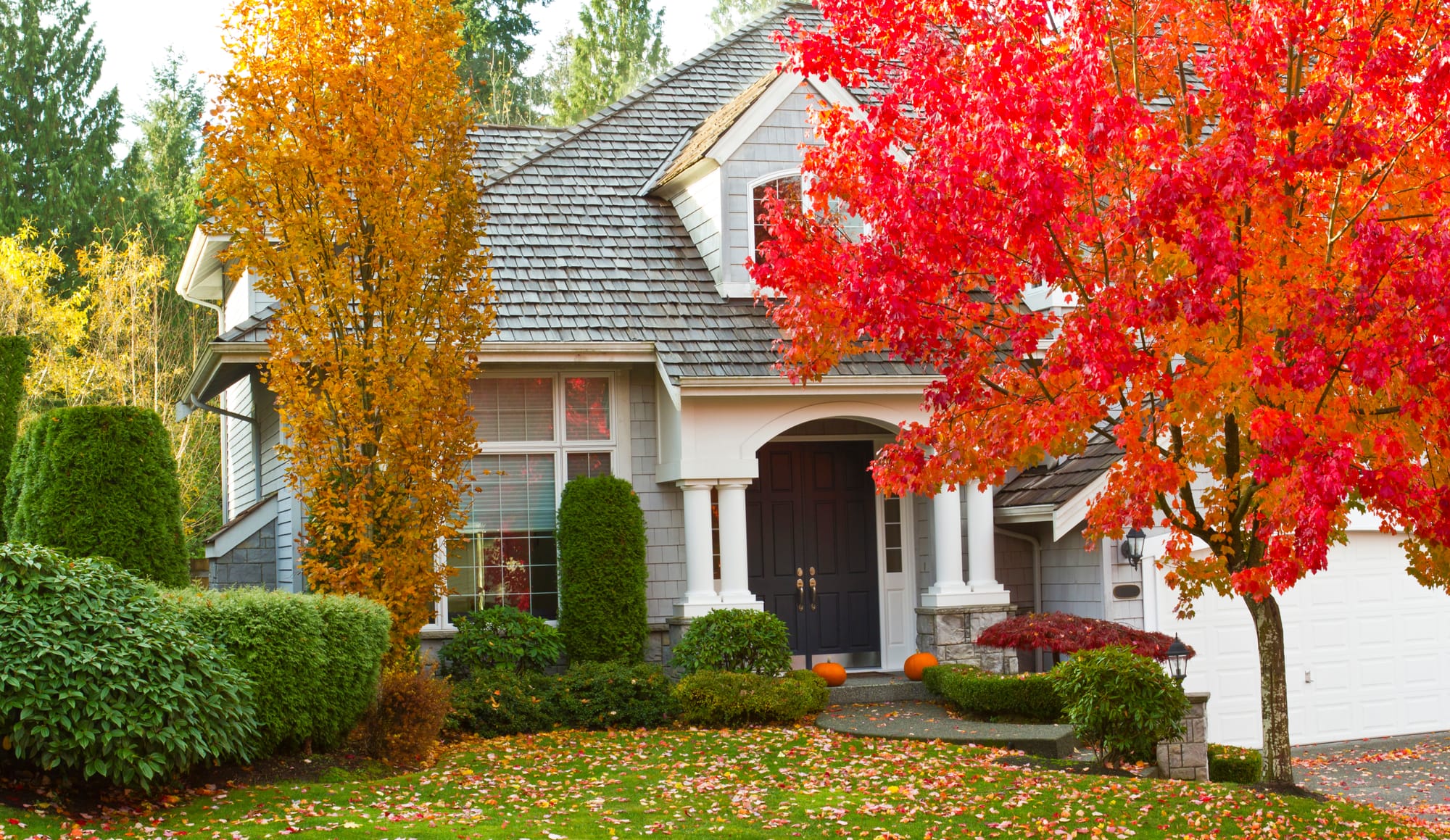
Fall house painting in Milwaukie can still work.But the job changes.In July, the painting schedule might be relatively straightforward:Prep.Prime.Paint.Repeat tomorrow.By late September and October, exterior painting starts requiring a lot more conversation with the weather.Now the crew may be thinking about:
- Last night’s rain
- Morning dew
- Siding moisture
- Surface temperature
- Afternoon temperature
- Tonight’s low
- The next rain system
- How long the coating needs before moisture returns
The painting itself did not suddenly become mysterious.The usable window became smaller.That matters in Milwaukie because fall is a real seasonal transition. The City’s own climate documentation describes precipitation as common throughout the year, with the heaviest precipitation generally occurring from October through April and December usually being the wettest month. Milwaukie OregonFor homeowners, the practical takeaway is simple:Fall exterior painting should follow the surface and the weather—not just the date on the estimate.Lightmen Painting’s professional exterior painting service specifically includes Milwaukie in its Portland Metro service area and treats rain, damp siding, moss, mildew, failing caulk, exposed wood and seasonal temperature changes as part of exterior project planning. Lightmen Painting CCB# 228370Here is what changes once Milwaukie starts moving into its wetter, cooler season.
Fall Does Not Automatically End Exterior Painting Season
One of the biggest misconceptions is that exterior painting simply stops on a specific date.It does not.A dry, mild October stretch may provide perfectly workable conditions.A wet September week may not.The useful questions are:
- Is the surface dry?
- Is the temperature appropriate?
- Is there enough time for the coating to dry?
- What is the forecast afterward?
- What does the product manufacturer require?
The calendar helps predict risk.It does not decide whether the siding can be painted.
Rain Changes the Job Before Paint Is Applied
Homeowners understandably focus on whether rain will hit fresh paint.Painters also have to care about what rain did before they arrived.Wood, masonry and other surfaces can retain moisture after rainfall.Sherwin-Williams recommends exterior surfaces be clean, sound and dry before painting and advises against applying coatings immediately after rain or during foggy weather. Sherwin-WilliamsThat means a sunny morning after two days of rain does not automatically create a paint-ready house.The sky may be ready.The siding may not be.
How Long After Rain Can a Milwaukie House Be Painted?
There is no universal timer.Sherwin-Williams advises that after heavy rain, wood and masonry can retain substantially more moisture than materials such as aluminum or vinyl, and recommends at least a day as a general minimum while emphasizing that the actual surface must be dry. Sherwin-WilliamsThat distinction matters.Compare:
- Light rain on intact fiber-cement siding
- Two days of rain on exposed cedar
Those surfaces may need completely different drying periods.So the better question is not:Has enough time passed?It is:Is this particular surface ready?
Different Parts of the Same House Can Dry at Different Speeds
This is extremely common.A Milwaukie home may have:
- One sunny elevation
- One shaded elevation
- Mature trees on one side
- Dense landscaping behind the house
- A deep roof overhang
- A narrow side yard with limited airflow
The sunnier wall may become paintable first.The shaded wall may remain damp.A professional crew may therefore change the sequence.Instead of:Monday = north sidethe real plan becomes:Monday = whichever surfaces are actually ready.That flexibility is not poor scheduling.In fall, it is good scheduling.
Why Mature Trees Can Matter
Milwaukie neighborhoods contain plenty of mature tree cover.That is great for:
- Shade
- Neighborhood character
- Summer comfort
It can also reduce exterior drying speed.Heavily shaded siding may stay:
- Cooler
- Damp longer
- More susceptible to mildew or organic growth
That does not mean trees are bad for paint.It means heavily shaded elevations deserve a closer look.If one side of your home repeatedly:
- Grows mildew
- Peels first
- Stays dark after rain
that pattern can become useful information when planning preparation and future maintenance.
Morning Dew Can Delay the Start of Painting
Rain is only one source of exterior moisture.Fall mornings can leave surfaces damp from dew.That creates a funny situation:The overnight forecast says no rain.The crew arrives.The siding is still wet.Sherwin-Williams specifically warns that late-season painting can become difficult when evening temperatures fall and dew settles onto uncured coatings. Sherwin-WilliamsThe same moisture can delay the next morning’s start.So painters may begin the day with:
- Setup
- Masking
- Scraping
- Repairs
- Other appropriate prep
while waiting for coating surfaces to become ready.
Cooler Temperatures Change Drying Time
Paint dries differently at 55°F than it does at 80°F.Cooler temperatures generally slow drying.Sherwin-Williams notes that lower temperatures can slow coating development and may contribute to sagging or other finish problems when application is not adjusted appropriately. Sherwin-WilliamsThat matters because slower drying changes:
- Recoat timing
- How late paint can be applied
- Daily production
- How quickly masking can be removed
- How soon the surface can handle moisture
Fall painting is not merely summer painting while wearing a jacket.The coating behaves differently too.
Can Exterior Paint Be Applied Below 50 Degrees?
Sometimes.The old rule of thumb was often:Do not paint below 50°F.Modern products have expanded that range.Sherwin-Williams states that several current exterior coatings can be applied when air, surface and product temperatures are at or above approximately 35°F, provided the specific product is intended for those conditions and stable conditions continue during the early drying period. Sherwin-WilliamsThat does not mean:35°F is great painting weather.It means some coatings have a broader technical application range.The contractor still has to evaluate:
- Moisture
- Dew
- Surface temperature
- Overnight temperature
- Rain forecast
- Drying time
The minimum number on the label is a boundary.Not a goal.
Surface Temperature Matters Too
The air temperature on your weather app is not necessarily the temperature of the siding.A shaded wall can remain colder.A wall receiving afternoon sun may warm.Different materials can behave differently.So when a coating specifies a minimum temperature, painters need to consider:
- Air
- Surface
- Product
Sherwin-Williams specifically says those temperatures all matter for low-temperature application. Sherwin-WilliamsThis is one reason a crew may paint one elevation and leave another alone.Same house.Different surface conditions.
Fall Painting Requires a Drying Window, Not Just a Dry Hour
This may be the most important concept in the entire article.A painting window is not simply:It is not raining between 1:00 and 3:00.A useful window needs enough time for:
- The substrate to become dry.
- The coating to be applied.
- The coating to begin drying properly.
- Conditions to remain suitable afterward.
Suppose rain stops at 9:00 AM.The siding dries around noon.Another system arrives at 5:00 PM.Technically, most of the day was rain-free.That does not automatically mean the project had a useful five-hour painting window.The coating still needs time.
The Forecast After Painting Matters
Fresh exterior paint does not become completely weather-resistant the moment the roller leaves the wall.Some modern coatings develop early moisture resistance relatively quickly.Others require more conservative conditions.Sherwin-Williams says environmental stability during the first part of the drying schedule matters and notes that the first 48 hours can be particularly important for some exterior systems. Sherwin-WilliamsThat does not mean every product universally requires exactly 48 rain-free hours.It means the contractor should know the actual coating being used.Ask:What does this specific paint need?That is the useful question.
Why Might the Crew Stop Painting Early Even on a Dry Day?
Because 4:00 PM is not the end of the weather.Evening is coming.Temperatures may fall.Dew may develop.Sherwin-Williams notes that many exterior products need several hours of drying before moisture settles on them, and that painters should stop earlier as temperatures cool. Sherwin-WilliamsSo a crew may stop applying paint at 2:30 or 3:00 PM while continuing:
- Cleanup
- Prep
- Masking
- Other work
That can look strange to a homeowner watching a perfectly dry afternoon.But the painter is thinking about tonight.
Shorter Fall Days Matter
Fall reduces the useful workday from both sides.Morning:
- Cooler
- Wetter
- Dew
Evening:
- Earlier darkness
- Falling temperatures
- Returning moisture
The middle of the day becomes the valuable coating window.That means a five-day summer exterior may require more calendar time later in fall.Not necessarily more labor.More waiting.
Rain Changes Surface Preparation Too
Prep is not immune to weather.Exterior preparation may include:
- Washing
- Scraping
- Sanding
- Repairs
- Caulking
- Spot priming
Some tasks can continue during imperfect weather.Others require dry material.If washing adds moisture to the siding, for example, drying time has to be included before coating.This is one reason Lightmen’s exterior painting process focuses on preparing the actual material and condition rather than using one identical prep package on every home.
Washing in Fall Needs More Planning
Exterior cleaning is often necessary to remove:
- Dirt
- Mildew
- Chalking
- Organic contamination
But cleaning makes the house wet.In summer, drying may happen quickly.In fall, a shaded wall may need significantly more time.So:Day 1: washDay 2: paintis not a universal schedule.The surface needs to earn Day 2.
Why Does Mildew Matter Before Painting?
Milwaukie’s damp season can encourage organic growth on shaded exterior surfaces.Painting over mildew does not solve the problem.The surface should be appropriately cleaned before coating.Then the painter should consider why the area was especially susceptible.Possible factors include:
- Shade
- Dense vegetation
- Limited airflow
- Persistent moisture
Preparation fixes the immediate surface.Understanding exposure helps with future maintenance.
Moss Is Also a Warning Sign
Moss does not automatically mean the paint underneath has failed.But if a surface stays wet enough to support persistent moss, pay attention.It may indicate:
- Heavy shade
- Long drying periods
- Organic debris
- Water exposure
Moss should be removed appropriately before painting.Painting it the new body color is unlikely to improve the coating system.
Fall Prep Can Reveal More Damage Than Expected
This happens.The estimate may show:Localized peeling.Then scraping begins.More coating releases.Bare wood appears.Now the project may need:
- Additional scraping
- More sanding
- Additional primer
- Possible wood repair
That is why professional estimates should explain how previously hidden or more extensive conditions are handled.Lightmen’s guide to what a professional painting estimate should include goes deeper into preparation, repairs, primer, coating scope, changes and final walkthrough expectations.
Why Bare Wood Changes the Fall Conversation
Bare wood is more moisture-sensitive than sound painted siding.If prep exposes raw wood, that area needs:
- Suitable drying
- Appropriate preparation
- Appropriate primer
before finish paint.The painter also needs to think about what happens between those steps.Opening a huge amount of bare wood immediately before three days of rain may not be the smartest sequencing decision.Prep and weather have to cooperate.
Cedar and Wood Shakes Need Extra Attention
Milwaukie homes can include cedar and other wood siding systems.Lightmen has an existing Milwaukie-specific guide on painting newly installed exterior shakes in Milwaukie, which emphasizes warmer, drier weather and routine inspection for long-term coating performance. Lightmen Painting CCB# 228370Wood shakes can create additional challenges because:
- They have many edges
- They can absorb moisture
- They create deeper surface texture
- Drying can vary
On porous or deeply textured wood surfaces, coating application also has to account for the material’s absorption and profile.
Why Back-Brushing Can Matter on Textured Wood
Spraying is efficient for delivering paint.But on some porous or textured wood surfaces, brushing or back-brushing can help work coating into the surface.Sherwin-Williams specifically notes that wood with significant variation in porosity or deep texture may benefit from back-brushing after spray application. Sherwin-WilliamsThe correct application method depends on:
- Surface
- Coating
- Existing condition
There is no universal rule that one application method is always superior.
Fall Rain Can Reveal Existing Paint Failure
Wet weather is inconvenient for application.It is useful for diagnosis.You may suddenly notice:
- Peeling beneath a gutter
- One trim board staying dark
- Blistering around a window
- Mildew on one side of the house
- Failed caulk
Those patterns are valuable.They can tell you where moisture or exposure may be influencing the coating.Lightmen’s paint-failure resources are useful when the same areas repeatedly fail because another coat of paint may not address the underlying cause.
Check Gutters Before Blaming the Paint
If fascia or siding below a gutter repeatedly fails, look at the water first.Possible issues include:
- Overflow
- Leaks
- Downspout problems
- Roof-edge water
Exterior paint can protect a properly functioning surface.It cannot make an overflowing gutter stop overflowing.Sometimes the best thing you can do for the paint job is fix something that never came from a paint store.
Failed Caulk Can Matter More as Rain Increases
Appropriate exterior joints around:
- Windows
- Doors
- Trim
may depend on sealant to help manage water.If the caulk has:
- Cracked
- Separated
- Fallen out
fall rain gets repeated opportunities to test that opening.But caulking also has weather requirements.Sherwin-Williams notes that high humidity and lower temperatures can increase caulk drying time before painting. Sherwin-WilliamsSo fall sealing needs scheduling too.
Not Every Gap Should Be Caulked
More caulk is not automatically more waterproofing.Some exterior assemblies are designed to drain or move.A professional painter should understand which joints belong in the painting scope.The goal is not to wrap the house in sealant until it becomes a submarine.The goal is to protect appropriate joints.
Cooler Temperatures Change Caulk Drying Too
This can become a hidden schedule issue.Imagine the painter:
- Removes failed caulk.
- Applies new sealant.
- Wants to paint it.
Cooler, humid weather may extend the time the caulk needs before coating.If paint goes over sealant before it has dried appropriately, cracking or other defects can occur.Sherwin-Williams specifically identifies low temperature and high humidity as conditions that can extend caulk drying. Sherwin-WilliamsThat little joint can suddenly control the schedule for the trim around it.
What If the Weather Changes Mid-Project?
This is normal.A fall exterior project may need to pause.Lightmen’s current project terms explicitly allow exterior work to be delayed or rescheduled because of:
- Temperature
- Moisture
- Rain
- Wind
- Drying conditions
- Surface condition
- Manufacturer requirements. Lightmen Painting CCB# 228370
A weather delay does not necessarily mean the job is behind.It may mean the contractor is refusing to trade coating performance for a prettier schedule.
Production Days and Calendar Days Are Different
Suppose the project requires six production days.You get:Monday: prepTuesday: rainWednesday: drying and prepThursday: coatingFriday: rainMonday: coatingTuesday: coatingWednesday: finishThe project has stretched across ten calendar days.It may still contain roughly six useful production days.That is a normal fall scheduling difference.The contractor should explain it before everyone starts counting trucks in the driveway.
Good Weather Communication Should Be Specific
You do not need a daily meteorology report.You do need useful information.Good:The north elevation is still damp from yesterday’s rain, so we’re finishing prep on the south side and will reassess the north wall tomorrow.Less useful:Weather.Lightmen’s guide to painting project status updates explains why weather-related schedule changes should include what changed and what happens next.Homeowners usually handle delays much better when the delay makes sense.
Can the Crew Keep Working While It Rains?
Sometimes, depending on what stage the project is in and whether work can be performed appropriately.Possible work can include:
- Protected setup
- Material organization
- Certain repairs
- Masking
- Other appropriate prep
But the contractor should not invent work merely to look busy.Some exterior tasks simply need dry conditions.A useful project plan separates:Can workfrom:Should paint.Those are not always the same thing.
Is October Too Late to Paint a Milwaukie House?
Not automatically.October can still offer useful exterior weather windows.But Milwaukie’s own climate documentation shows the wetter seasonal period begins around this time, with the heaviest precipitation generally running from October through April. Milwaukie OregonSo October becomes more dependent on:
- Recent rain
- Forecast
- Overnight temperatures
- Project size
- Surface condition
A simple repaint on sound siding may fit a weather window that would be too short for a heavy restoration project.
Project Size Matters More in Fall
Suppose the forecast offers four good days.That might be enough for:
- Trim maintenance
- One elevation
- Small targeted exterior work
It may not be enough for:
- Washing
- Heavy scraping
- Repairs
- Primer
- Multiple finish coats
on an entire house.The question is not just:Is there good weather?It is:Is there enough good weather for this project?
Existing Condition Matters Just as Much
Two similar Milwaukie houses may have completely different fall schedules.House A:
- Stable coating
- Minor prep
- Similar color
House B:
- Heavy peeling
- Bare wood
- Failed caulk
- Mildew
- Repair needs
House A may be perfectly reasonable to paint.House B needs more stages.The weather forecast is identical.The painting project is not.
Can You Paint Just the Failing Side?
Sometimes.If one elevation receives:
- More shade
- More weather exposure
- More vegetation
- More moisture
it may age sooner than the others.Lightmen’s guide to phased and maintenance painting explains why exterior condition can justify targeted or phased work rather than automatically repainting everything.There are tradeoffs.The new elevation may look slightly different.Its maintenance cycle will start sooner.But protecting exposed material can be more important than having every side fail on the same birthday.
Is Fall a Good Time for an Exterior Condition Report?
Yes.Fall can reveal exactly where the exterior is vulnerable.Look for:
- Bare wood
- Peeling
- Failed caulk
- Mildew
- Water staining
- Soft trim
- Blistering
If you are not sure whether your Milwaukie home needs maintenance or a complete repaint, Lightmen’s Exterior Condition Report can help organize that decision.An ECR is not a full home inspection.It is focused on exterior coating condition and the visible factors relevant to painting.
What If the House Is Not Ready for a Full Fall Repaint?
Then plan.This is important.The choice is not:Paint noworForget about the house until May.Fall and winter can be useful for:
- Inspecting
- Defining repairs
- Getting estimates
- Selecting colors
- Planning products
- Scheduling the next exterior window
Lightmen’s guide to the best time to paint a house in Portland recommends the more dependable late-spring through early-fall period for most major exterior projects while still recognizing that actual conditions control. Lightmen Painting CCB# 228370If the weather closes the current exterior window, the project can still move forward on paper.
Interior Painting Becomes the Easy Seasonal Pivot
Milwaukie rain has much less control over the living room.Fall and winter remain excellent times for:
- Bedrooms
- Living rooms
- Kitchens
- Bathrooms
- Hallways
- Ceilings
- Trim
- Doors
Lightmen’s interior painting service can continue when exterior work becomes weather-limited because indoor temperature, ventilation and drying conditions can be managed much more directly.If you already have both interior and exterior work planned:Interior now. Exterior when the house and weather are ready.That can be a very practical seasonal strategy.
Should You Book Next Year’s Exterior During Fall?
It can make a lot of sense.You can use the wet season to:
- Define scope
- Handle repair decisions
- Choose colors
- Budget
- Reserve a future production window
Then when the better weather arrives, you are ready to paint instead of just beginning to think about paint.The first beautiful week of spring tends to remind a surprising number of homeowners that houses have exteriors.Planning earlier helps.
Can Modern Paint Extend the Milwaukie Painting Season?
Yes—to a point.Low-temperature exterior products give professional painters more flexibility than older coatings did.Sherwin-Williams currently identifies several products that can be applied around 35°F when air, material and surface temperatures meet the product requirements and suitable conditions remain during early drying. Sherwin-WilliamsThat can extend the season.It does not eliminate:
- Wet siding
- Fog
- Dew
- Rain
- Poor surface condition
Better paint technology expands the window.It does not control the weather.
What Should You Ask a Milwaukie Painter About Fall Conditions?
Ask:
- How will you determine whether the siding is dry?
- What product are you using?
- What temperature does it require?
- How much time does it need before evening moisture?
- What happens if rain enters the forecast?
- Can prep continue during delays?
- How will schedule changes be communicated?
- What happens if prep reveals more peeling?
- How are bare wood areas handled?
- Are some elevations likely to dry more slowly?
A contractor should be able to explain those things without treating weather as a trade secret.
What Are the Biggest Fall Painting Red Flags?
Painting obviously damp sidingThe substrate needs to be ready.“Modern paint can handle anything.”It cannot.No concern about overnight temperaturePaint keeps drying after the crew leaves.No concern about dewMoisture does not require rainfall.Painting during fogManufacturer guidance specifically cautions against it. Sherwin-WilliamsPainting over loose coatingNew paint inherits the weak layer underneath.No plan for weather delaysMilwaukie in fall is an ambitious place to pretend rain does not exist.
What Are the Green Flags?
Look for a painter who:
- Checks the surface
- Watches the forecast
- Knows the actual coating system
- Allows drying
- Adjusts by elevation
- Stops coating early enough
- Continues useful prep when appropriate
- Communicates changes
- Refuses to force bad conditions
Exterior painting is not about defeating the weather.It is about recognizing when the weather gives you permission.
What Should Milwaukie Homeowners Expect From Lightmen Painting?
Lightmen Painting serves Milwaukie through our verified Portland Metro exterior painting service. That service is built around the realities Portland-area homes face:
- Rain
- Moisture
- Damp siding
- Moss
- Mildew
- Failed caulk
- Peeling paint
- Exposed wood
- Seasonal temperature changes
Milwaukie homeowners can also review our existing local article on painting exterior shakes in Milwaukie for a more specific look at wood-shake timing and maintenance.The main fall decision should not be:Can somebody physically put paint on this house today?The better question is:Can we complete the necessary preparation and coating stages under conditions that give the paint a reasonable chance to perform?Sometimes the answer is yes.Sometimes we shift elevations.Sometimes we spend the day on prep.Sometimes we wait.And sometimes the responsible decision is to inspect the house now and schedule the larger project for the next dependable dry-season window.If your exterior has peeling, bare wood, recurring moisture or an uncertain coating condition, start with an Exterior Condition Report.If you already know the exterior is ready for repainting, request a project-specific estimate.Lightmen Painting
Oregon CCB# 228370
503-389-5758
scheduling@lightmenpainting.comWe show up, every time.
3. KEY FEATURES
Milwaukie-specific climate grounding: Uses the City of Milwaukie’s own climate documentation showing that the heaviest precipitation generally occurs October through April, with December typically the wettest month. Milwaukie OregonDifferent cluster intent: Focuses on how the entire job changes—from prep through application and drying—rather than repeating another simple “can you paint in fall?” article.Local Lightmen connection: Naturally links Lightmen’s verified exterior service page that explicitly covers Milwaukie plus the existing Milwaukie exterior-shakes article.Complete weather-window explanation: Teaches homeowners why a rain-free afternoon may still not be a useful coating window.Temperature nuance: Avoids treating 50°F as a universal cutoff and explains how newer low-temperature coatings can extend the season without eliminating moisture requirements.Strong conversion path: Gives homeowners clear choices between fall exterior work, an ECR, interior work, or planning the next dry-season repaint.
4. THINGS TO KNOW
- Milwaukie’s municipal climate documentation says precipitation is common year-round, with the heaviest precipitation generally occurring from October through April and December typically the wettest month. Milwaukie Oregon
- Exterior surfaces should be clean, sound and dry before painting. Sherwin-Williams
- Wood and masonry can retain moisture longer after heavy rainfall than less-absorbent materials. Sherwin-Williams
- Morning dew and fog can affect fall exterior painting even when no rain fell overnight.
- Cooler temperatures can slow coating drying and reduce the usable daily application window. Sherwin-Williams
- Some modern exterior coatings are designed for application around 35°F, but air, surface and product temperatures all matter and stable conditions are still needed afterward. Sherwin-Williams
- Different elevations of the same Milwaukie home can become paint-ready at different times because sun, shade, vegetation and airflow vary.
- Fall exterior projects may require more calendar days without necessarily containing more labor.
- Small maintenance scopes can fit weather windows that are too short for a complete whole-house repaint.
- If the exterior cannot reasonably be completed in fall, inspection, estimating, repair planning and scheduling can still move forward.
5. IN OUR EXPERIENCE
In our experience, fall exterior painting becomes confusing when everyone focuses only on whether rain is falling.That is only one part of it.We might have sunshine.The siding might still be damp.We might have a warm afternoon.The temperature may be dropping quickly tonight.We might have four rain-free hours.The coating may need considerably more time than that.That is why I would rather explain:“This wall isn't ready yet.”than paint it because everybody would feel better if the crew looked busy.There is no prize for getting paint onto wet siding first.There is only a paint job that still has to perform after we leave.
6. PEOPLE ALSO ASK
Can you paint a house in Milwaukie during fall?
Yes. Fall exterior painting can still be successful when surfaces are dry, temperatures meet the selected coating’s requirements and enough suitable drying time remains before rain, dew or colder conditions.
How long after rain should you wait to paint exterior siding?
There is no universal wait time. Sherwin-Williams recommends at least one day after heavy rain as a general minimum while emphasizing that the actual substrate must be dry before painting. Sherwin-Williams
Can you paint exterior siding below 50 degrees?
Some modern exterior coatings are formulated for application around 35°F, but the specific product’s air, surface and material temperature requirements must be followed. Sherwin-Williams
Why do painters stop earlier in the afternoon during fall?
Fresh paint needs adequate drying time before temperatures drop and evening moisture or dew develops. Cooler conditions can also slow drying.
Can painters work on one side of a house while another side is wet?
Potentially, yes. Different elevations can have different moisture, sunlight and surface-temperature conditions, so crews may change the project sequence to work on surfaces that are ready.
Does fall rain make exterior paint dry slower?
Rain itself prevents appropriate application on wet surfaces, while the cooler temperatures and higher moisture commonly associated with fall can extend drying time.
Is October too late to paint a house in Milwaukie?
Not automatically. Milwaukie’s wetter period generally begins around October, so projects become more dependent on actual weather windows, surface condition and project size rather than a calendar cutoff. Milwaukie Oregon
Should I wait until spring if my Milwaukie house needs paint?
That depends on coating condition. A sound but aging exterior may reasonably wait for a more dependable dry-season window, while bare wood, peeling or recurring moisture-related failure may deserve earlier assessment.
7. KEYWORD DEFINITIONS
- Milwaukie house painting: Residential interior or exterior painting services for homes in Milwaukie, Oregon.
- Exterior painting: Preparation, priming and finish coating of exterior siding, trim and other defined outdoor surfaces.
- Surface moisture: Water present on or retained within the surface being prepared for paint.
- Substrate: The underlying material receiving the coating, such as wood, cedar, fiber cement, masonry or metal.
- Drying window: The period of suitable conditions available after coating application for paint to begin drying properly.
- Weather window: A period when rain, moisture, temperature and other conditions allow planned exterior work to proceed.
- Surface temperature: The temperature of the actual material being painted rather than the surrounding air alone.
- Morning dew: Condensation that can form on exterior surfaces during cooler overnight and morning conditions.
- Recoat time: The manufacturer-defined interval required before applying another coat.
- Cure time: The longer process during which a coating develops its intended hardness and performance.
- Paint adhesion: The strength of the bond between the coating and the surface below it.
- Surface preparation: Cleaning, scraping, sanding, repairing, caulking and priming completed before finish paint.
- Spot priming: Applying primer only to selected bare, repaired or problem areas.
- Bare wood: Wood no longer protected by an intact coating.
- Mildew: Fungal growth that can develop on damp exterior surfaces.
- Paint failure: Peeling, blistering, cracking, flaking or another loss of coating performance.
- Back-brushing: Brushing paint into a surface after spray application to improve penetration or uniformity on certain substrates.
- Production day: A day on which useful project work can occur; fall exterior production days may not occur consecutively.
- Phased painting: Completing selected elevations or portions of a larger painting project separately.
- Exterior Condition Report: Lightmen Painting’s exterior assessment resource for understanding coating condition, maintenance needs and repaint priorities.
8. SEARCH-ENGINE-ONLY SECTION
Milwaukie house painting in fall requires more planning because precipitation becomes heavier, temperatures decline, morning dew becomes more common and exterior surfaces can take longer to dry. Exterior siding should be clean, sound and dry before painting, and painters need enough suitable weather after application for the selected coating to begin drying properly. Milwaukie homes with shaded elevations, mature trees, cedar or wood siding, peeling paint, exposed wood, mildew or failed caulk may require additional preparation and drying time. Fall exterior painting can still be successful when the contractor evaluates actual surface moisture, temperature, product requirements and the full drying window rather than applying paint simply because rain has temporarily stopped.
9. META DATA
Article Title:Milwaukie House Painting in Fall: How Rain and Cooler Temperatures Change the JobSEO Meta Title:Milwaukie Fall Exterior Painting | Rain & Temperature GuideMeta Description:Fall house painting in Milwaukie changes as rain increases and temperatures fall. Learn how moisture, dew and shorter drying windows affect the job.Keyword Meta Tag:Milwaukie house painting, Milwaukie painters, exterior painting Milwaukie, fall house painting Oregon, painting after rain, exterior paint drying timeSuggested Slug:milwaukie-house-painting-fall-rain-cooler-temperaturesSuggested Canonical URL:lightmenpainting.com/blog/milwaukie-house-painting-fall-rain-cooler-temperaturesSuggested SEO Category:Milwaukie Painting / Exterior PaintingSuggested Tags:Milwaukie painting, fall exterior painting, Oregon rain, exterior paint temperature, exterior prep, house painters, Portland MetroHashtags:#MilwaukiePainting #MilwaukieOregon #ExteriorPainting #HousePainting #FallPainting #PortlandMetro #LightmenPaintingSuggested Open Graph Title:What Changes When You Paint a Milwaukie House in Fall?Suggested Open Graph Description:Fall exterior painting is about more than dodging rain. Learn how cooler temperatures, damp siding, dew and shorter drying windows change the entire job.Suggested Featured Snippet Answer:Fall house painting in Milwaukie is possible when exterior surfaces are dry, air and surface temperatures meet the coating manufacturer’s requirements and enough suitable drying time remains before rain, dew or colder nighttime conditions. Rain can delay surface drying, while cooler fall temperatures can slow paint drying and shorten the daily application window.
10. CONVERSION LAYER
The Best Fall Painting Question Is Not “Is It Raining?”
Ask:
- Did it rain recently?
- Is the siding actually dry?
- Is this elevation shaded?
- Is morning dew gone?
- What is the surface temperature?
- What product are we using?
- What temperature does it require?
- How much drying time does it need?
- When is the next rain?
- Is bare wood exposed?
- Can the project realistically fit the available weather window?
Then decide whether the correct move is:
- Paint now
- Shift elevations
- Continue preparation
- Complete targeted maintenance
- Assess the coating condition
- Schedule the full repaint for a better season
Lightmen Painting serves Milwaukie through our professional Portland Metro exterior painting service, and our Milwaukie exterior-shakes guide provides additional local information for wood-shake homes.If the exterior condition is uncertain, start with an Exterior Condition Report.If the house is clearly ready for repainting, request a project-specific estimate.Lightmen Painting
Oregon CCB# 228370
503-389-5758
scheduling@lightmenpainting.comWe show up, every time.
11. DOWNLOADABLE ASSET
Milwaukie Fall Exterior Painting Readiness Checklist
Suggested PDF Title:Milwaukie Fall Rain & Exterior Painting ChecklistSuggested Article Anchor:Download the Milwaukie Fall Painting ChecklistFinal Asset URL:[DOWNLOADABLE ASSET PLACEHOLDER — replace after upload]
Recent Weather
- No recent rainfall
- Light rainfall
- Heavy rainfall
- Several wet days
- Fog
- Morning dew
Exterior Surface
- Surface dry
- Surface still damp
- Heavy shade
- Dense vegetation
- Limited airflow
- Bare wood
- Cedar/shakes
- Fiber cement
- Other
Existing Paint
- Sound
- Fading
- Chalking
- Minor peeling
- Widespread peeling
- Blistering
- Cracking
- Bare substrate
- Mildew
Preparation
- Cleaning
- Mildew treatment
- Scraping
- Sanding
- Wood repair
- Caulk repair
- Spot primer
- Additional prep discovered
Temperature
Current air temperature: _______________Surface temperature: __________________Expected overnight low: _______________Product minimum temperature: __________
Drying Window
- Morning dew gone
- Surface has dried
- Enough time for application
- Enough time before sunset
- Enough time before evening dew
- Enough time before next rain
- Recoat timing fits forecast
Elevation Check
North
- Ready
- Damp
- Heavy shade
- Needs prep
South
- Ready
- Damp
- Heavy shade
- Needs prep
East
- Ready
- Damp
- Heavy shade
- Needs prep
West
- Ready
- Damp
- Heavy shade
- Needs prep
Weather-Related Project Decision
- Full exterior window looks reasonable
- One elevation may be practical
- Targeted maintenance only
- Continue prep and reassess
- Exterior Condition Report
- Plan repaint for dry season
- Interior project while waiting
Questions for the Painter
- How are you checking surface dryness?
- Which paint system will be used?
- What temperature does it require?
- How long before rain can return?
- How does dew affect the schedule?
- What happens if weather changes?
- Can prep continue during delays?
- How are additional failed areas handled?
12. GOOGLE BUSINESS PROFILE POST
Fall Painting in Milwaukie Is About More Than Dodging Rain
A dry afternoon doesn't automatically mean a house is ready for exterior paint.In fall, we also need to think about:
- Wet siding
- Morning dew
- Surface temperature
- Cooler evenings
- Shorter drying windows
- The next rain system
- Product requirements
One side of the house may even be dry enough to paint while a shaded elevation still needs more time.The goal isn't to squeeze paint onto the house before winter.It's to apply the coating when the surface and weather give it the conditions it needs to perform.Lightmen Painting provides professional exterior painting throughout Milwaukie and the Portland Metro.Lightmen Painting
Oregon CCB# 228370
503-389-5758
Do You Have Questions? Give Us A Call!
If you’re in the Portland, OR metro area and you want:a clean plan before repainting, orhelp diagnosing exterior paint failures, ora crew that resolves issues like adults or
You Just Have Questions…
Here’s the easiest path:Request an estimateEmail: scheduling@lightmenpainting.com
Call: 503-389-5758
-
People Also Ask:
What are the main differences between acrylic and latex paint?
Acrylic paint is known for its durability and flexibility, making it suitable for outdoor environments and areas exposed to harsh conditions. It's made with a synthetic resin that helps it withstand the elements. Latex paint, on the other hand, is water-based and popular for indoor walls and ceilings due to its quick-drying nature and ease of cleanup.
Why should I choose low-VOC paints for indoor projects?
Low-VOC (Volatile Organic Compounds) paints are recommended for indoor projects because they emit fewer harmful chemicals into the air, improving indoor air quality and reducing health risks. These paints are particularly important in enclosed spaces or homes with children, the elderly, or those with respiratory issues.
Can acrylic paint be used indoors as well as outdoors?
Yes, acrylic paint can be used both indoors and outdoors. Its versatility is due to its durable nature, which makes it resistant to weathering and capable of retaining color and finish over time. However, due to its strong odor and chemical composition, proper ventilation is essential when using it indoors.
-
Definitions
- Painting dispute resolution: A structured process for resolving disagreements about scope, quality, schedule, or pricing on a painting project.
- Scope of work: The exact list of surfaces, prep steps, and deliverables included in a project.
- Scope creep: Uncontrolled expansion of the project beyond agreed scope (often caused by add-ons).
- Change order: A written modification to the original agreement covering scope/cost/schedule changes.
- Punch list: A final checklist of corrections required before completion and final payment.
- Adhesion failure: When paint doesn’t properly bond and peels, flakes, or separates from the surface.
- Substrate: The underlying surface being painted (wood, siding, stucco, metal, etc.).
- Surface prep: Cleaning, scraping, sanding, priming, caulking, and repairs done before painting.
- Moisture intrusion: Water entering materials or assemblies, often causing rot, mold, or coating failure.
- Quality standards: Measurable expectations for coverage, finish uniformity, edges, and corrections.
- Walkthrough: An on-site review with the client to confirm completion and build a punch list.
- Exterior Paint Condition Report (ECR): An inspection-style evaluation of exterior coating condition and risk factors to guide repair/repaint decisions.
Serving Portland Homeowners Since 2019
Lightmen Painting works with homeowners across the greater Portland metro area — from first-time consultations to full exterior repaints. Whether you need a second opinion on a contractor's quote, a diagnosis for peeling paint, or a crew that shows up on time and communicates clearly, we're the team Portland homeowners call.We serve: Portland, Tigard, Lake Oswego, Tualatin, West Linn, Milwaukie, Sherwood, Happy Valley, Oregon City, Beaverton, Hillsboro, and Gresham.