Polyurethane vs. Urethane: What Is the Difference?
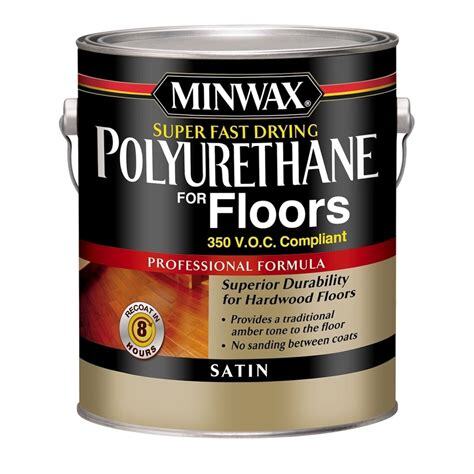
Key Features
- Clear Explanation of Polyurethane vs. Urethane: This article explains why “urethane” is often used casually to describe polyurethane finishes, even though urethane technically refers to ethyl carbamate, a different chemical compound. PubChem identifies urethane as ethyl carbamate/carbamic acid ethyl ester, while polyurethane is a broad class of polymers used in coatings, foams, adhesives, sealants, and elastomers. (PubChem)
- Practical Finish Guidance: Polyurethane is commonly used as a protective finish for wood, furniture, floors, cabinets, trim, doors, and other surfaces where durability matters.
- Water-Based vs. Oil-Based Differences: Water-based polyurethane is typically lower odor, easier to clean up, and faster drying, while oil-based polyurethane often adds warmth and depth but usually has stronger odor and longer dry times.
- Project-Specific Product Selection: The right finish depends on the surface, exposure, desired sheen, durability needs, color tone, and whether the project is interior or exterior.
- Safety and Ventilation Matter: Products that emit VOCs should be used with proper ventilation and label precautions, especially indoors. EPA guidance recommends increasing ventilation when using products that emit VOCs and following label directions. (US EPA)
- Lightmen Painting’s Prep-First Approach: Protective finishes only perform well when the surface is properly cleaned, sanded, dusted, primed or sealed when needed, and coated with the right system.
Let’s keep this simple.
Polyurethane is the finish most homeowners are usually talking about. It is a durable polymer-based coating used to protect wood, floors, furniture, trim, doors, cabinets, and other surfaces.
Urethane, technically, refers to ethyl carbamate, a separate chemical compound. That is not what homeowners are usually buying when they purchase a “urethane finish” at the paint store. In coating conversations, “urethane” is often shorthand or marketing language for polyurethane or urethane-modified products.
So if you are standing in a paint aisle looking at products labeled “polyurethane,” “spar urethane,” “urethane enamel,” or “water-based urethane,” the practical question is not just “Is this urethane or polyurethane?”
The better question is:
What surface is this product designed for, and what does the technical data sheet say it can handle?
That is where smart product selection starts.
Things to Know
- “Urethane” is often used casually to mean polyurethane, but technically urethane is ethyl carbamate.
- Polyurethane is a broad family of materials used in coatings, foams, adhesives, sealants, and elastomers.
- In woodworking and painting, polyurethane usually means a protective finish.
- Water-based polyurethane usually dries clearer and has lower odor than oil-based versions.
- Oil-based polyurethane usually adds more warmth and amber tone.
- Spar urethane is commonly used for exterior or flexible wood applications, but it still must match the surface and exposure.
- Urethane enamel is usually a pigmented coating used for cabinets, doors, and trim.
- Product labels and technical data sheets matter more than casual product names.
- Proper sanding, dust removal, and surface prep are critical before applying any protective finish.
- Ventilation and safety precautions matter, especially with solvent-based finishes.
What Is Polyurethane?
Polyurethane is a broad class of polymers that can be formulated into many different types of materials, including flexible foams, rigid foams, coatings, adhesives, sealants, and elastomers. The American Chemistry Council describes polyurethanes as materials formed by reacting polyols with diisocyanates or polymeric isocyanates, allowing a wide range of materials to be created for different uses. (American Chemistry Council)
In painting, woodworking, and finishing, polyurethane usually refers to a clear protective coating.
It is commonly used on:
- Wood floors
- Furniture
- Cabinets
- Doors
- Trim
- Stair treads
- Handrails
- Tabletops
- Built-ins
- Shelving
- Wood paneling
- Exterior wood surfaces when using the right exterior-rated product
Polyurethane protects the surface by creating a hard, durable film. Depending on the product, it can help resist scratches, moisture, abrasion, cleaning, and general wear.
That is why polyurethane is common in areas that get touched, walked on, cleaned, bumped, or used heavily.
What Is Urethane?
Technically, urethane is ethyl carbamate, also called carbamic acid ethyl ester. PubChem lists urethane as a carbamate ester and identifies it as ethyl carbamate. (PubChem)
That technical definition is important, but it is not how the word usually gets used in home improvement conversations.
When a homeowner says:
- “urethane finish”
- “spar urethane”
- “urethane clear coat”
- “urethane enamel”
- “urethane cabinet paint”
They are usually referring to a polyurethane-based, urethane-modified, or urethane-marketed coating — not pure ethyl carbamate.
That is where the confusion comes from.In practical painting terms, do not rely on the word “urethane” alone. Read the label, product description, and technical data sheet.
If the product is for wood floors, cabinets, trim, furniture, or exterior woodwork, it is almost certainly a coating system designed around polyurethane or urethane-modified resin technology, not “urethane” in the pure chemistry sense.
Why the Terms Get Confused
The confusion happens because polyurethane contains urethane linkages in its chemical structure. So “urethane” became a common shorthand in product names, contractor slang, and casual conversations.
That does not mean every product with “urethane” in the name is identical.
There are big differences between:
- Water-based polyurethane
- Oil-based polyurethane
- Spar urethane
- Urethane-modified alkyd enamel
- Industrial urethane coatings
- Cabinet-grade urethane finishes
- Floor polyurethane
- Exterior-rated clear coats
This is why product labels matter.
Two products may both use the word “urethane,” but one may be made for exterior wood, another for trim enamel, another for floors, and another for industrial use.
Same family reunion. Very different cousins.
Why Polyurethane Is Used as a Protective Finish
Polyurethane is popular because it can provide a durable protective layer.
Depending on the product, polyurethane finishes may offer:
- Scratch resistance
- Water resistance
- Abrasion resistance
- Chemical resistance
- Impact resistance
- Flexibility
- Clear protection
- Gloss control
- Long-term durability
- Easier cleaning
- A harder-wearing surface
The American Chemistry Council notes that polyurethanes are used in liquid coatings and paints, adhesives, sealants, elastomers, insulation, furniture, and many other applications because they can be formulated for a wide variety of uses. (American Chemistry Council)
For homeowners, that versatility means there is probably a polyurethane-related product for almost every finishing need.
But that also means there are plenty of ways to pick the wrong one.
Water-Based Polyurethane vs. Oil-Based Polyurethane
One of the biggest decisions is whether to use water-based or oil-based polyurethane.
Water-Based Polyurethane
Water-based polyurethane is often chosen because it is lower odor, dries faster, cleans up with water, and tends to stay clearer over time.
It is commonly used for:
- Light-colored wood
- Painted cabinets
- Interior furniture
- Trim
- Doors
- Built-ins
- Projects where odor matters
- Projects where yellowing is a concern
Benefits may include:
- Faster dry times
- Easier cleanup
- Lower odor
- Less ambering
- Good clarity
- Better fit for light colors
- More comfortable for occupied homes
Potential drawbacks:
- May require more coats
- Can raise wood grain
- May not add the warm tone some people want
- Product quality varies heavily
Water-based polyurethane is usually a strong choice when you want protection without changing the color too much.
Oil-Based Polyurethane
Oil-based polyurethane is often chosen because it adds warmth, depth, and a rich amber tone.
It is commonly used for:
- Wood floors
- Darker woods
- Traditional furniture
- Stair treads
- High-wear wood surfaces
- Projects where amber warmth is desired
Benefits may include:
- Richer look on wood
- Strong durability
- Fewer coats in some cases
- Warm amber finish
- Good wear resistance
Potential drawbacks:
- Stronger odor
- Longer dry time
- More yellowing/ambering
- Solvent cleanup
- More ventilation needed
- Not ideal over light paint colors
Oil-based polyurethane can look beautiful on wood, but it is not always the best choice for painted surfaces or light finishes.
If you put an ambering finish over a white cabinet, do not act surprised when it starts looking like it drinks coffee.
Spar Urethane vs. Polyurethane
Spar urethane is another term that creates confusion.
Spar urethane is usually designed for exterior or flexible wood applications where moisture, sunlight, and movement are concerns. It is often used on exterior doors, outdoor furniture, trim details, and wood surfaces exposed to changing conditions.
Spar urethane is generally more flexible than standard interior polyurethane, which helps it move with wood as it expands and contracts.
Common uses include:
- Exterior doors
- Outdoor furniture
- Marine-style woodwork
- Exterior trim details
- Wood exposed to sun and moisture
- Some porch or patio features
But spar urethane is not automatically the best product for everything outside. Decks, siding, railings, doors, and outdoor furniture may all need different systems.
In Portland, exterior clear finishes can be especially tricky because moisture, UV exposure, shade, mildew, and wood movement can wear them down quickly. For larger exterior projects, it is smarter to evaluate the surface and exposure as part of a full Portland exterior painting plan.
Urethane Enamel for Cabinets, Doors, and Trim
When you see “urethane enamel,” that usually means a paint designed for a harder, more durable finish on high-touch surfaces like trim, doors, and cabinets.
This is different from clear polyurethane.
A clear polyurethane protects wood or painted surfaces with a clear film.
A urethane enamel is usually a pigmented coating — meaning it has color — and is used as the actual finish paint.
Urethane enamels are commonly used on:
- Cabinets
- Interior doors
- Exterior doors
- Window trim
- Baseboards
- Crown molding
- Built-ins
- Shelving
- Bathroom vanities
- Laundry room cabinets
For cabinets, doors, and trim, the coating has to handle touching, cleaning, bumping, and movement.
That is why regular wall paint is usually not the right choice for cabinets. Cabinets need a harder coating system and better prep.
For Portland homeowners considering kitchen or bathroom cabinet updates, Lightmen Painting’s cabinet painting and refinishing services are focused on prep, product selection, and finish durability — not just making the cabinets look good for a week.
Cabinet painting is where shortcuts go to die publicly.
Where Polyurethane Makes the Most Sense
Polyurethane and polyurethane-related finishes can be excellent when the surface needs protection.
Good candidates include:
- Wood furniture
- Wood floors
- Stair treads
- Handrails
- Tabletops
- Shelves
- Built-ins
- Interior doors
- Trim
- Cabinet components
- Bathroom vanities
- Select exterior wood details
- Commercial wood surfaces
- High-touch interior features
Polyurethane is especially useful when the surface needs to resist:
- Handling
- Cleaning
- Scratches
- Moisture
- Abrasion
- Daily wear
- Light chemical exposure
- Impact
For commercial interiors, protective finishes may be useful on woodwork, doors, rails, trim, and high-use features. If your project involves a business, office, retail space, or rental property, a broader commercial painting service may help match the coating system to the real-world abuse the surface will take.
Where Polyurethane May Not Be the Right Choice
Polyurethane is useful, but it is not always the answer.
It may not be right for:
- Standard drywall walls
- Surfaces that need to breathe
- Poorly prepped paint
- Wet or moisture-damaged surfaces
- Exterior siding where a paint system is better
- Areas needing frequent future repainting
- White surfaces where yellowing is a concern
- Surfaces with existing unknown coatings
- Floors needing a specialty flooring system
- Cabinets needing pigmented enamel instead of clear coat
The mistake is assuming polyurethane means “stronger, therefore better.”
Sometimes it is better. Sometimes it is unnecessary. Sometimes it is the wrong finish entirely.
The best coating is the one designed for the surface, use, and environment.
Surface Prep Before Polyurethane
Polyurethane will not fix bad prep.
Before applying polyurethane, the surface usually needs to be:
- Clean
- Dry
- Sanded
- Dust-free
- Properly stained or sealed if needed
- Free of wax, grease, and contaminants
- Compatible with the selected product
- Ready for the chosen sheen and finish type
Wood surfaces may need progressive sanding.
Painted surfaces may need deglossing.
Floors may need screening or full sanding.
Cabinets may need degreasing, sanding, primer, and controlled application.
Trim may need cleaning, sanding, caulking, and spot priming.
This is where Lightmen Painting’s prep-first painting process matters. A premium finish only performs when the surface underneath is ready.
Polyurethane over dust is not a finish. It is dust preservation.
In My Opinion
In my opinion, the polyurethane vs. urethane confusion is mostly a labeling and language problem, not something homeowners need to panic over.
What matters is not winning a chemistry argument at the paint store. What matters is choosing the right finish for the surface.
If you are protecting stained wood, polyurethane may be the right conversation.
If you are painting cabinets, a urethane enamel or cabinet-grade coating may make more sense.
If you are finishing exterior wood, you need an exterior-rated product.
If you are painting regular walls, polyurethane probably is not even part of the discussion.
The mistake is grabbing a product because it says “urethane” and assuming it is automatically tougher, better, or appropriate.
That is not product selection. That is label roulette.Read the product details, understand the surface, prep it properly, and choose the coating based on use, exposure, and finish expectations.
That is how you avoid turning a simple project into a sticky, yellowing, peeling little disaster.
Choosing the Right Polyurethane Product
When choosing polyurethane, read the label and technical data sheet.
Look for:
- Interior or exterior use
- Water-based or oil-based
- Clear or pigmented
- Recommended surfaces
- Dry time
- Recoat time
- Cure time
- Sheen options
- Cleanup method
- VOC information
- Application method
- Sanding requirements
- Temperature and humidity limits
- Compatibility with stain, paint, or primer
The right product depends on the project.
For Floors
Use a floor-rated polyurethane designed for foot traffic.
For Furniture
Choose based on desired look, durability, color tone, and cleanup preference.
For Cabinets
Consider whether you need clear polyurethane, pigmented urethane enamel, or a cabinet-specific coating system.
For Trim and Doors
Use a durable trim enamel or appropriate clear finish depending on whether the surface is painted or stained.
For Exterior Wood
Choose an exterior-rated product designed for UV, moisture, and movement.
For Painted Surfaces
Be careful. Some clear coats can change sheen, color, or appearance. Test first.
If you are doing a small DIY finish project, using the right wood finishing and paint prep supplies can make the process cleaner and more predictable. For larger cabinets, trim, or built-in work, professional prep and application usually make a major difference.
Safety and Ventilation
Polyurethane products can create odor and fumes, especially solvent-based versions.
The EPA recommends increasing ventilation when using products that emit VOCs and following label precautions. (US EPA)
Basic safety steps include:
- Read the label.
- Follow the product data sheet.
- Ventilate the space.
- Wear appropriate gloves and eye protection.
- Use a respirator when required.
- Keep dust controlled when sanding.
- Dispose of oily rags correctly.
- Keep products away from flames or ignition sources.
- Keep children and pets away from active work areas.
- Allow proper dry and cure time before heavy use.
This is not the part where you “just crack a window and hope.”
Finishes can be serious products. Treat them like it.
Planning cabinet refinishing, trim painting, built-in refinishing, or a protective finish project in the Portland metro area? Lightmen Painting can help you choose the right coating system instead of guessing between polyurethane, spar urethane, urethane enamel, and clear coat options. You can request a painting estimate or call 503-389-5758.
Polyurethane for Cabinets
Polyurethane can be used on cabinets in certain cases, but it depends on the finish goal.
If the cabinets are stained wood and you want to preserve the wood look, a clear polyurethane or similar clear finish may be appropriate.
If the cabinets are being painted, a pigmented cabinet-grade coating or urethane enamel is often a better direction than simply adding clear polyurethane over wall paint.
Cabinets need a finish that can handle:
- Grease
- Hand oils
- Cleaning
- Steam
- Door movement
- Drawer friction
- Food residue
- Daily contact
- Hardware wear
A cabinet project may require:
- Cleaning
- Degreasing
- Sanding
- Dust control
- Bonding primer
- Fine finish coating
- Cure time
- Careful reinstallation
For cabinet projects, the prep system matters more than the product name. Start with professional cabinet refinishing if you want the finish to look smooth and hold up to daily use.
Polyurethane for Trim and Doors
Trim and doors often need more durability than walls.
They get touched, kicked, wiped, bumped, and cleaned more often. That means the coating needs to resist scuffs, blocking, and wear.
For painted trim and doors, a quality enamel is usually better than regular wall paint. For stained trim and doors, polyurethane or another clear protective finish may be appropriate.
Common trim and door finish concerns include:
- Yellowing
- Brush marks
- Blocking
- Poor leveling
- Chipping
- Dirty surfaces
- Old glossy coatings
- Inadequate sanding
- Wrong sheen
- Slow cure time
For interior trim and doors, Lightmen Painting’s interior painting services can help tie wall color, trim sheen, product selection, and prep together.
Polyurethane for Exterior Wood
Exterior wood is where product selection gets tricky.
Outdoor wood moves. It expands, contracts, absorbs moisture, dries out, and gets hit by UV exposure.
In Portland, exterior wood also deals with:
- Rain
- Shade
- Moss
- Mildew
- Tree cover
- Seasonal moisture
- Summer sun
- Temperature swings
Standard interior polyurethane is usually not the right choice for exterior wood. Exterior-rated spar urethane, exterior varnish, stain, or paint systems may be more appropriate depending on the surface.
Exterior clear finishes often require more maintenance than paint because UV exposure can break them down faster.
If the surface is siding, trim, fascia, or exterior doors, it may need a coating system chosen around exposure and maintenance expectations. For peeling, bubbling, cracking, or moisture-driven failure, review Lightmen Painting’s paint failure inspection resources before coating over the problem.
Water-Based vs. Oil-Based: Which Should You Choose?
Choose Water-Based Polyurethane When:
- You want a clearer finish.
- You want lower odor.
- You want faster dry time.
- You are finishing light wood.
- You are coating over light paint, if compatible.
- You need easier cleanup.
- You are working indoors.
- Yellowing is a concern.
Choose Oil-Based Polyurethane When:
- You want a warmer amber tone.
- You are finishing darker wood.
- You want a traditional rich wood look.
- Longer dry time is acceptable.
- Stronger odor and ventilation needs are manageable.
- The project benefits from the depth oil-based finishes can provide.
Choose Urethane Enamel When:
- You are painting cabinets.
- You are painting doors.
- You are painting trim.
- You need a harder pigmented finish.
- The surface gets cleaned often.
- Wall paint would not be durable enough.
Choose Spar Urethane When:
- You are finishing exterior wood.
- The surface needs more flexibility.
- Moisture and UV exposure matter.
- The product is rated for the specific exterior use.
People Also Ask
Is polyurethane the same as urethane?
Not technically. Polyurethane is a broad class of polymers commonly used in finishes, coatings, foams, adhesives, and sealants. Urethane technically refers to ethyl carbamate, a different chemical compound. In home improvement conversations, “urethane” is often used casually to describe polyurethane or urethane-modified coatings.
Is polyurethane good for cabinets?
Polyurethane can be used on stained wood cabinets when a clear protective finish is desired. For painted cabinets, a pigmented cabinet-grade coating or urethane enamel is often a better choice. Cabinet prep, primer, sanding, and cure time matter heavily.
What is spar urethane used for?
Spar urethane is commonly used for exterior or flexible wood surfaces that need protection from moisture, sunlight, and movement. It is often used on exterior doors, outdoor furniture, and select exterior wood details.
Is water-based or oil-based polyurethane better?
Neither is always better. Water-based polyurethane is usually clearer, lower odor, faster drying, and easier to clean up. Oil-based polyurethane usually adds warmth and amber tone and can provide a traditional rich wood look. The right choice depends on the project.
Can I use polyurethane over paint?
Sometimes, but you need to test first. Polyurethane can change the sheen, color, or appearance of painted surfaces. Some clear coats may yellow or create an uneven look over paint, especially lighter colors.
Does polyurethane need sanding between coats?
Many polyurethane products recommend light sanding between coats to improve smoothness and adhesion. Always follow the product label and technical data sheet for the specific finish being used.
Is polyurethane safe indoors?
Polyurethane can be used indoors when the product is designed for interior use and applied according to label directions. Ventilation, protective gear, dry time, and cure time matter, especially with solvent-based products.
Definitions
- Polyurethane: A broad class of polymers used in coatings, foams, adhesives, sealants, elastomers, insulation, and protective finishes.
- Urethane: Technically ethyl carbamate, a separate chemical compound. In home improvement language, the word is often casually used to describe polyurethane or urethane-modified coatings.
- Polyurethane Finish: A clear protective coating commonly used on wood, floors, furniture, trim, doors, cabinets, and built-ins.
- Water-Based Polyurethane: A polyurethane finish that uses water as the primary carrier, typically offering lower odor, faster dry time, clearer appearance, and water cleanup.
- Oil-Based Polyurethane: A polyurethane finish that uses oil or solvent-based chemistry, often creating a warmer amber tone and a rich wood appearance.
- Spar Urethane: A flexible exterior-rated clear finish often used on outdoor wood, exterior doors, and surfaces exposed to moisture and sunlight.
- Urethane Enamel: A pigmented coating often used on cabinets, doors, trim, and other high-touch surfaces where a harder, more durable painted finish is needed.
- Clear Coat: A transparent protective finish applied over wood, stain, paint, or decorative surfaces to improve durability or appearance.
- Sheen: The level of shine in a finish, such as matte, satin, semi-gloss, or gloss.
- Cure Time: The time it takes for a coating to fully harden and reach its intended durability.
- Dry Time: The time it takes for a finish to become dry to the touch or ready for another coat, depending on product instructions.
- Recoat Time: The recommended waiting period before applying another coat of finish.
- VOC: Volatile Organic Compounds, chemicals that can evaporate into the air from some coatings and materials.
- Substrate: The surface being coated, such as wood, metal, painted trim, cabinets, floors, or exterior details.
- Adhesion: The ability of a coating to bond securely to the surface underneath it.
- Abrasion Resistance: The ability of a finish to resist wear from rubbing, scraping, foot traffic, cleaning, or repeated contact.
- Ambering: The yellow or warm tone that some oil-based finishes can add over time, especially noticeable on light wood or white paint.
- Deglossing: The process of dulling a shiny surface so a new coating can bond better.
- Technical Data Sheet: A manufacturer’s document that explains product use, application instructions, dry times, safety information, surface prep, and limitations.
If you are planning cabinet refinishing, trim painting, wood finishing, exterior door refinishing, built-in painting, or a protective coating project in the Portland metro area, Lightmen Painting can help you choose the right finish before money gets wasted on the wrong product.
Polyurethane, spar urethane, urethane enamel, and clear coats all have their place — but the right choice depends on the surface, prep, exposure, color, sheen, and long-term use.
Lightmen Painting can help with cabinet refinishing, interior painting, exterior painting, trim painting, commercial painting, paint failure review, and full repaint planning.
You can request an estimate from Lightmen Painting, schedule through the Lightmen Painting calendar, or call 503-389-5758.
CCB# 228370.
Lightmen Painting serves Portland, Tigard, Lake Oswego, Tualatin, West Linn, Milwaukie, Sherwood, Happy Valley, Oregon City, Beaverton, Hillsboro, Gresham, and nearby Portland metro communities.