Why Cedar Siding Needs Special Paint in Portland
Key Features
- Cedar siding requires stain-blocking primers to prevent tannin bleed
- Portland’s wet climate increases moisture movement in wood siding
- Proper preparation dramatically improves paint durability
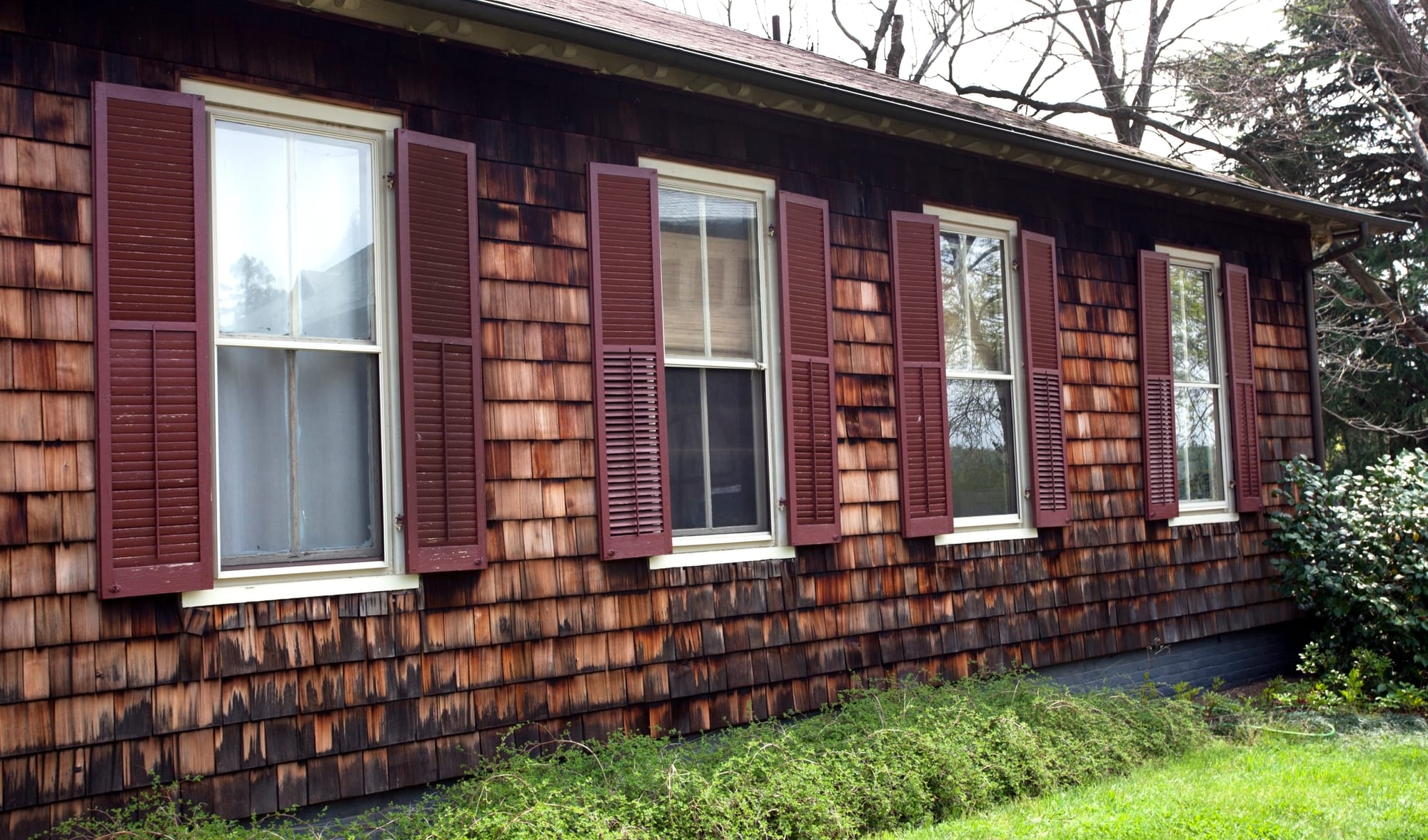
Cedar siding is one of the most common exterior materials on homes throughout Portland and the Pacific Northwest. Walk through neighborhoods like Sellwood, Laurelhurst, or Irvington and you’ll see beautiful cedar siding everywhere — especially on classic Craftsman homes.
Cedar is popular for good reason. It’s durable, naturally resistant to insects, and has a warm natural appearance that fits Portland’s architecture perfectly.
However, cedar siding also presents unique painting challenges, particularly in Portland’s rainy climate. Without the proper preparation and coatings, cedar can cause paint to fail much faster than homeowners expect.
In fact, many premature paint failures we see on Portland homes happen because cedar siding wasn’t treated with the correct primer, paint system, or preparation methods.
Understanding how cedar behaves — and why it requires specialized paint systems — can help homeowners extend the life of their exterior paint job and protect their siding investment.
Things to Know
- Cedar siding absorbs moisture more easily than other materials
- Tannin stains can bleed through paint without proper primer
- Moss and mildew grow easily on shaded cedar siding
- Flexible acrylic paints perform best on wood siding
- Proper preparation determines how long the paint job lasts
Why Cedar Siding Is So Common in Portland Homes
Portland Architecture Often Uses Cedar
Cedar siding became popular in the Pacific Northwest because it performs well in wet climates and was historically abundant in the region.
You’ll commonly see cedar siding on:
- Craftsman homes
- Mid-century Portland houses
- Northwest contemporary homes
- Older historic houses
Because cedar is lightweight and stable, it works well in damp environments where other materials might struggle.
Cedar Is Naturally Porous
One of the biggest reasons cedar requires special paint systems is its porous structure.
Unlike fiber cement or vinyl siding, cedar absorbs moisture easily.
That means cedar siding can:
- absorb rainwater
- release moisture during dry periods
- expand and contract with humidity
This movement places constant stress on paint coatings.
Why Standard Paint Systems Often Fail on Cedar
Moisture Movement Breaks Paint Adhesion
Cedar siding constantly exchanges moisture with the environment.
In Portland’s climate, this cycle happens repeatedly:
- Rain saturates the siding
- Wood absorbs moisture
- Sun or wind dries the surface
- Wood contracts as it dries
Over time this movement causes paint to:
- crack
- blister
- peel
Without the right primer and flexible coatings, paint struggles to keep up with cedar’s movement.
Cedar Contains Natural Oils and Tannins
Another challenge with cedar siding is tannin bleed.
Cedar naturally contains oils and tannins that can migrate through paint layers.
When this happens, homeowners may notice:
- brown stains bleeding through paint
- discoloration on siding
- uneven color appearance
This problem is especially common when cedar is painted without the proper primer.
Cedar Siding Requires Specialized Primers
To prevent tannin bleed and improve paint adhesion, cedar siding must be primed with stain-blocking primers.
These primers seal the wood and prevent natural oils from staining the finish coat.
Common primer types used on cedar include:
| Primer Type | Purpose |
| Oil-based primer | Blocks tannin stains |
| Stain-blocking acrylic primer | Prevents discoloration |
| Bonding primer | Improves adhesion |
Skipping this step is one of the fastest ways for a cedar paint job to fail.
Portland’s Climate Makes Cedar Even More Challenging
Rain and Humidity Accelerate Paint Wear
Cedar siding already absorbs moisture easily. Combine that with Portland’s rainy weather and you have a siding material that experiences constant wet-dry cycles.
This can shorten paint lifespan if the coating system isn’t designed for Pacific Northwest conditions.
Moss and Mildew Growth
Cedar siding in shaded areas often develops:
- moss
- mildew
- algae
These organisms thrive in Portland’s damp climate and can hold moisture against the paint surface.
Over time this leads to paint deterioration and staining.
Best Paint Systems for Cedar Siding in Portland
Choosing the correct paint system dramatically improves performance.
A durable cedar siding paint system usually includes:
- Thorough cleaning and moss treatment
- Sanding to remove failing paint
- Stain-blocking primer
- High-quality acrylic exterior paint
- Proper sealing of joints and trim
Modern acrylic paints are flexible and breathable, allowing cedar to expand and contract without cracking the paint film.
Signs Cedar Siding Needs Repainting
Because cedar interacts strongly with moisture, homeowners should watch for early warning signs of paint failure.
Common indicators include:
| Warning Sign | Possible Cause |
| Peeling paint | Moisture movement |
| Brown stains | Tannin bleed |
| Cracking paint | Wood expansion |
| Fading color | Weather exposure |
| Mildew staining | Moisture buildup |
Catching these issues early helps prevent deeper wood damage.
How to Extend the Life of Cedar Siding Paint
Homeowners can significantly improve paint lifespan with a few simple maintenance practices.
Keep Siding Clean
Organic growth like moss and mildew traps moisture.
Periodic washing removes buildup before it spreads.
Maintain Caulking and Seals
Cracked caulking allows water to penetrate behind siding and trim.
Annual inspections can prevent long-term damage.
Trim Vegetation Around the Home
Trees and shrubs can block airflow and sunlight, allowing siding to remain damp longer.
Improving airflow helps surfaces dry faster.
In Our Experience
In Portland we see cedar siding everywhere, especially on older homes and Craftsman-style houses. When cedar is properly cleaned, primed, and painted with high-quality coatings, it can hold paint extremely well. But when the wrong primer or paint is used, cedar can cause paint to fail much faster. Proper preparation makes all the difference.
Why Cedar Siding Is Still Worth It
Despite the challenges, cedar remains an excellent siding material when properly maintained.
Benefits include:
- natural durability
- resistance to insects
- attractive appearance
- compatibility with Portland architecture
With the right paint system, cedar siding can perform well for decades in the Pacific Northwest.
Do You Have Questions? Give Us A Call!
If you’re in the Portland, OR metro area and you want:
a clean plan before repainting, or
help diagnosing exterior paint failures, or
a crew that resolves issues like adults or
You Just Have Questions…
Here’s the easiest path:
Email: scheduling@lightmenpainting.com
Call: 503-389-5758
People Also Ask:
Why does paint peel on cedar siding?
Cedar absorbs moisture and expands or contracts with humidity. This movement can cause paint to lose adhesion and eventually peel if the coating system isn’t flexible.
Do you need special primer for cedar siding?
Yes. Cedar contains tannins that can bleed through paint. A stain-blocking primer is necessary to prevent discoloration and improve paint adhesion.
How long does paint last on cedar siding?
In Portland’s climate, a properly applied paint system on cedar siding typically lasts between 7–12 years, depending on exposure and maintenance.
Resources:
- Exterior Painting Portland
- Best Exterior Paint for Rainy Climates (PNW Guide)
- Why Portland Rain Destroys Exterior Paint
- How Moss and Moisture Affect Exterior Paint in the Pacific Northwest
Definitions
- Cedar siding painting Portland-Exterior painting systems designed specifically for cedar siding homes in Portland.
- Tannin bleed-Brown stains caused by natural oils in cedar wood migrating through paint.
- Stain-blocking primer-Primer designed to prevent wood stains and tannins from bleeding through paint.
- Exterior painting Portland-Professional house painting services for Portland-area homes.
- Wood siding paint system-A combination of primer and paint designed for wood siding.
- Moisture cycling-Repeated absorption and release of moisture in wood.
- Acrylic exterior paint-Flexible paint commonly used on exterior siding.
- Paint adhesion-The ability of paint to bond to a surface.
- Mildew resistant coating-Paint formulated to resist mold and mildew growth.
- Exterior paint lifespan-The number of years exterior paint lasts before repainting is needed.
Lightmen Painting Serving: Portland, Tigard, Lake Oswego, Tualatin, West Linn, Milwaukie, Sherwood, Happy Valley, Oregon City, Beaverton, Hillsboro, Gresham
Cedar siding painting Portland homes requires specialized preparation and coatings because cedar behaves differently than other siding materials. Cedar wood absorbs moisture easily and contains natural tannins that can bleed through paint if not properly sealed. In Portland’s rainy climate, cedar siding experiences frequent wet-dry cycles that stress exterior paint films and can lead to peeling, cracking, or blistering. Professional cedar siding painting in Portland typically includes stain-blocking primers, mildew-resistant coatings, and flexible acrylic exterior paints designed for Pacific Northwest weather conditions. Choosing the correct paint system for cedar siding helps prevent tannin bleed, improve paint adhesion, and extend the lifespan of exterior paint in Portland’s wet climate.