KEY FEATURES
- Moisture-Aware Project Planning - Exterior painting in Portland needs careful timing around rain, damp surfaces, shaded elevations, and coating cure windows.
- Access Coordination for Active Properties - A good plan accounts for tenants, customers, parking, loading docks, walkways, entrances, lifts, and safety zones.
- Coating Systems Matched to Surfaces - Wood, stucco, masonry, concrete, and metal need different preparation and coating decisions for long-term performance.
Portland commercial properties do not get the luxury of pretending rain is a minor detail. Exterior repainting here has to work around wet siding, shaded walls, damp masonry, clogged gutters, algae growth, early fall moisture, tenant access, customer entrances, loading docks, parking, lifts, and building operations that cannot simply stop because painters showed up.
A good exterior repaint protects the property, improves curb appeal, supports leasing, and helps prevent expensive substrate damage. A rushed one can trap moisture, peel early, disrupt tenants, block access, and create the kind of callback nobody wants.
For property managers, facility managers, commercial owners, and general contractors, the goal is not just finding someone who can paint a building. The goal is finding Portland commercial painters who understand weather windows, moisture readings, sequencing, safe access, and how to keep a commercial property usable while the work is happening.
THINGS TO KNOW
- Portland rain is not the only issue. Damp surfaces after rain can be just as risky.
- Shaded elevations may need more drying time than sunny sides of the same building.
- Access planning can affect cost, schedule, safety, and tenant disruption.
- Painting over failed caulking, mildew, peeling paint, or moisture problems usually leads to early failure.
- The best exterior repaint windows often book early, so planning ahead matters.
Why Exterior Commercial Painting in Portland Is All About Timing
Exterior painting in Portland is not impossible. It just punishes wishful thinking.
The region’s rain, damp mornings, shaded elevations, moss, mildew, and temperature swings all affect how coatings bond and cure. Even during good weather, one side of a building may be ready while another side is still holding moisture from shade or previous rainfall.
That is why commercial exterior painting in Portland should be planned around real conditions, not just calendar dates.
A building may look dry from the parking lot and still have moisture in wood siding, trim, stucco, concrete, or masonry. Paint applied too soon can blister, peel, or fail prematurely. On commercial buildings, that does not just create an appearance issue. It creates maintenance cost, tenant frustration, and possible damage to the underlying materials.
For a broader look at how exterior work fits into a larger maintenance plan, see commercial painting Portland.
Rain Is Obvious. Moisture Is the Sneaky Problem.
Most people know you should not paint in the rain. That part is easy. The bigger issue is what happens before and after the rain.
Surfaces Need Time to Dry
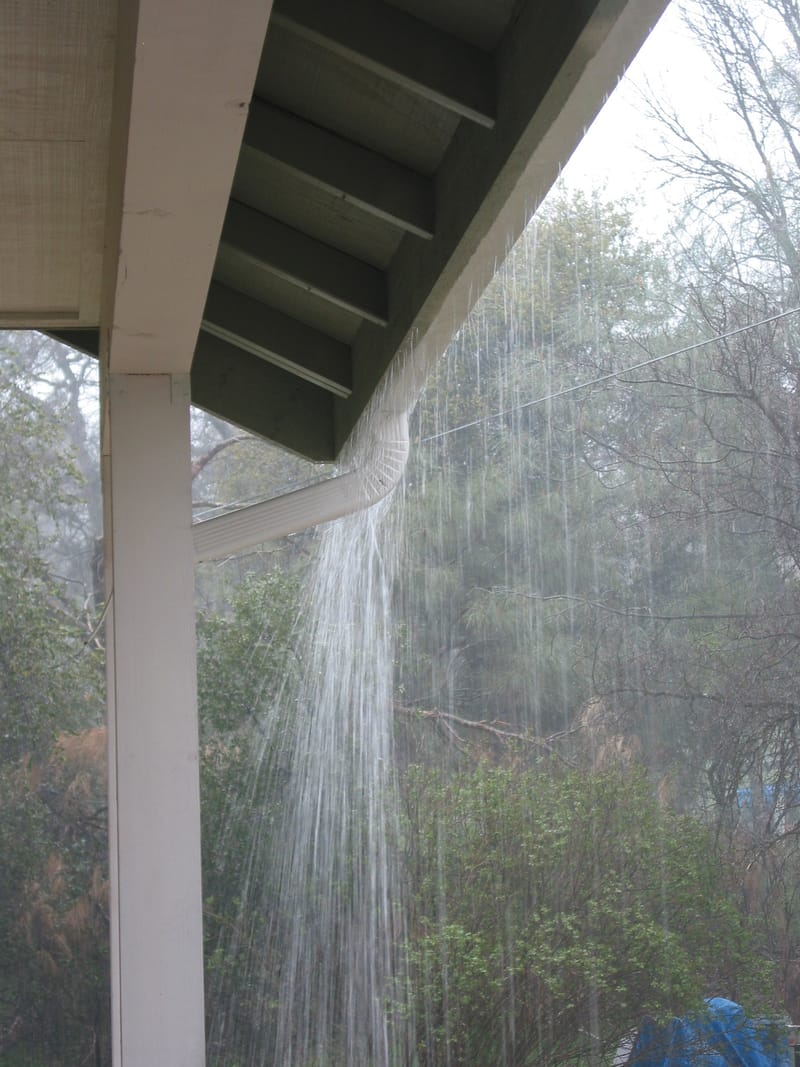
After rainfall, exterior surfaces may need substantial drying time before they are ready for prep, primer, or finish coats. The drying time depends on the material, exposure, temperature, wind, shade, and how much water the surface absorbed.
South and west-facing elevations often dry faster. North-facing elevations, shaded courtyards, lower walls, masonry, and areas near landscaping can stay damp longer.
A wall may feel dry to the hand but still be too wet for coating. That is where experience and moisture testing matter.
Damp Substrates Can Cause Early Failure
Paint is designed to bond to a properly prepared surface. If the surface is too damp, adhesion can suffer.
Moisture can push outward later, causing bubbling, peeling, staining, or coating breakdown.
This is especially important for:
- Wood siding and trim
- Stucco
- Concrete block
- Tilt-up concrete
- Masonry walls
- Previously failed coatings
- Areas under gutters or downspouts
- Shaded exterior walls
- Older commercial buildings
Painting over moisture is like putting a lid on a wet cooler and acting surprised when it smells weird later. The problem was already inside.
Portland Shade Matters
A commercial building in Portland may have one elevation that gets decent sun and another that barely dries during certain months. Tall neighboring buildings, trees, narrow access lanes, loading areas, and north-facing walls all affect dry time.
Good exterior commercial painters plan sequencing around these conditions instead of treating every side of the building the same.
The Best Time of Year for Commercial Exterior Painting in Portland
There is no single perfect date that works for every building. Still, Portland exterior repainting usually becomes easier during the drier and warmer months.
Late Spring Through Early Fall Is Usually Preferred
Late spring, summer, and early fall are often better windows for commercial exterior painting because surfaces dry more consistently and crews have longer workable periods. That said, spring can still be wet, and fall can turn quickly.
Scheduling too late in the season can create pressure. Once rain becomes regular, the project may slow down or need to pause. That can affect access equipment, tenant expectations, and budget.
Summer Is Not Automatically Simple
Summer often offers better painting conditions, but it also brings its own issues:
- High demand for qualified commercial painting crews
- Tenant activity and customer traffic
- Heat on sun-exposed walls
- Busy construction schedules
- Parking and access conflicts
- Landscaping and irrigation schedules
- Tight deadlines before fall weather returns
If you want exterior work completed in the best weather window, planning early matters. Waiting until August to start gathering bids for a large commercial repaint can make scheduling harder.
Shoulder Seasons Require More Judgment
Spring and fall can still work, but they require better day-to-day decision-making. Painters need to watch moisture, dew points, overnight temperatures, rain forecasts, and cure windows.
This is where commercial experience matters. A crew that understands Portland conditions will know when to proceed, when to shift elevations, and when not to force it.
Access Planning Can Make or Break the Project
Exterior commercial painting is not just about walls. It is about getting people, equipment, materials, and protection into the right places safely without shutting down the property.
Lifts, Ladders, Scaffolding, and Staging
The building height, terrain, surrounding access, and surface conditions determine the access method. Some properties need boom lifts. Others need ladders, scaffolding, swing stages, or a mix of approaches.
Access planning should consider:
- Building height
- Grade changes
- Sidewalks and pedestrian areas
- Parking lots
- Landscaping
- Loading docks
- Overhead wires
- Tenant entrances
- Emergency exits
- Adjacent businesses
- Traffic flow
- Signage and lighting
A commercial exterior painting bid should not ignore access. If it does, expect surprises later.
Parking Lots and Tenant Entrances
Exterior repainting often affects parking, entries, sidewalks, drive lanes, and tenant access. For retail centers, offices, apartments, warehouses, and mixed-use properties, these areas cannot be blocked casually.
A good plan may require zone-by-zone work, temporary signage, cones, taped-off areas, or after-hours access in certain locations.
For properties with active residents or tenants, property manager painting in Portland requires clear notices and realistic timelines.
Loading Docks and Warehouse Operations
Warehouse painting in Portland has its own access complications. Loading docks, delivery schedules, truck routes, roll-up doors, employee entrances, and safety zones need coordination.
If painters block a dock at the wrong time, the project suddenly becomes everyone’s problem. The paint did not cause the chaos. Poor sequencing did.
For industrial and operational properties, see warehouse painting Portland.
What to Expect During a Commercial Exterior Repaint
A properly managed commercial exterior repaint should follow a predictable process. Every building is different, but the general flow is usually similar.
Initial Walkthrough and Scope Review
The project starts with reviewing the building, identifying surfaces, noting access challenges, looking at coating failures, and discussing operational needs.
This is where the painter should ask practical questions:
- Which entrances need to stay open?
- Are there tenant quiet hours?
- Where can lifts be staged?
- Are there delivery windows?
- Are there irrigation systems near the building?
- Are there known leaks or moisture issues?
- Are there areas with peeling, rot, rust, or failed caulking?
- Are there brand colors or owner standards?
- Are notices needed for tenants or residents?
A serious commercial painter is not just measuring walls. They are reading the property.
Surface Cleaning and Preparation
Exterior painting often starts with washing, mildew removal, scraping, sanding, caulking, priming, and repairs where needed. Preparation is where long-term coating performance starts.
For smaller maintenance touch-ups between professional repaint cycles, property teams sometimes keep basic prep tools and commercial-grade masking supplies on hand. For full commercial exterior painting, prep and protection should be part of the professional scope.
Moisture Checks and Weather Monitoring
Before coatings are applied, surfaces should be dry enough for the selected coating system. On Portland commercial buildings, this may require checking moisture-prone elevations, shaded walls, wood trim, stucco, and masonry areas.
Weather monitoring also matters during cure time. Paint may need a certain window without rain after application. Some coatings also have minimum temperature requirements.
Phased Painting
Larger commercial properties are often painted in phases. One elevation or building section may be completed before moving to the next. This helps manage access, weather, tenant impact, and quality control.
Final Walkthrough and Documentation
At the end, the project should include a walkthrough, punch list, touch-ups, and documentation of colors, products, sheens, and areas completed. That information helps future maintenance and makes touch-ups more consistent.
Commercial Exterior Painting Checklist for Portland Properties
Use this checklist before scheduling exterior commercial repainting.
Planning and Timing
- Review the likely weather window before committing to dates.
- Avoid forcing exterior painting during wet or unstable weather.
- Build flexibility into the schedule for rain delays.
- Confirm coating temperature and cure requirements.
- Plan around shaded elevations that dry slower.
Moisture and Surface Conditions
- Inspect peeling, blistering, staining, chalking, mildew, algae, and failed caulking.
- Identify wood, stucco, masonry, concrete, metal, and previously coated surfaces.
- Check moisture-prone areas before coating.
- Address leaks, gutter issues, or drainage problems before repainting.
- Confirm whether primer or specialty coatings are needed.
Access and Operations
- Identify tenant entrances, customer paths, loading docks, sidewalks, and parking areas.
- Plan lift, ladder, or scaffolding access.
- Keep emergency exits clear.
- Communicate temporary access changes.
- Coordinate with tenants, vendors, residents, and facility teams.
Protection
- Protect windows, doors, signage, landscaping, lighting, vehicles, sidewalks, and adjacent surfaces.
- Manage overspray risk if spraying is used.
- Control debris from scraping or sanding.
- Protect high-traffic areas during prep and painting.
Communication
- Notify tenants, residents, staff, or customers before work begins.
- Share expected phases and temporary restrictions.
- Provide a point of contact for issues.
- Update the schedule when weather changes the plan.
Choosing the Right Coating System
Commercial exterior coatings should be chosen based on the building material, exposure, condition, and maintenance goals.
Wood Siding and Trim
Wood needs careful moisture management. Peeling paint, open joints, failed caulking, and exposed end grain should be addressed before repainting. Primer selection matters, especially where bare wood or staining is present.
Stucco
Stucco can hold moisture and may need breathable coating systems depending on the condition. Cracks, staining, and previous coating performance should be reviewed before repainting.
Concrete and Masonry
Concrete, block, and masonry can have porosity, efflorescence, cracks, and moisture movement. Coating selection should account for breathability, adhesion, and long-term durability.
Metal Doors, Frames, Railings, and Equipment
Metal surfaces may require rust treatment, proper cleaning, and direct-to-metal coatings. Skipping metal prep often leads to fast failure.
Previously Painted Surfaces
Existing paint condition matters. If the old coating is failing, simply painting over it will not fix the problem. Scraping, sanding, priming, or more extensive prep may be needed.
The right coating system is not always the most expensive one. It is the one that fits the surface and conditions.
Mini Case Example: A Portland Multifamily Exterior Repaint
Picture a three-story multifamily property in Southeast Portland. The building has wood trim, fiber cement siding, covered entries, shaded north-facing walls, and several areas where gutters have overflowed during winter. The owner wants the exterior refreshed before leasing season, but residents need access to entries, parking, mailboxes, and walkways.
A weak plan would schedule the whole project as if every side of the building dries the same and every entry can be blocked whenever convenient.
A better plan would start with a detailed walkthrough. The painter identifies moisture-prone trim, failing caulking, mildew near shaded walls, and areas below gutters that need attention before coating. The schedule prioritizes elevations based on drying conditions and access needs. Residents receive notices before work begins. Walkways are protected. Entry closures are short, phased, and communicated.
The project still depends on weather, but the work is organized. The property gets a cleaner exterior, the owner protects the asset, and residents are inconvenienced as little as possible.
That is the difference between repainting a building and managing a commercial repaint.
For related planning, see multifamily painting Portland.
Common Mistakes in Commercial Exterior Repainting
Painting Too Soon After Rain
This is one of the biggest mistakes in Portland. A dry-looking wall may not be dry enough. Painting too soon can lead to adhesion failure and trapped moisture problems.
Ignoring Failed Caulking
Caulking helps seal joints and transitions. Failed caulking allows water intrusion, which can damage substrates and shorten coating life. Painting over failed caulking is cosmetic theater.
Underestimating Access Costs
Lifts, scaffolding, traffic control, parking restrictions, and after-hours access can all affect cost and schedule. If a bid does not account for access, it may not reflect the real project.
Choosing Paint Without Considering Exposure
A sunny wall, shaded wall, metal door, concrete wall, and wood trim may not need the same coating approach. Commercial exterior painting should match products to surfaces.
Waiting Until the Property Looks Bad Everywhere
Deferred repainting usually increases prep, repair, and disruption. A planned maintenance cycle is almost always easier than a crisis repaint before leasing, sale, or inspection.
How to Compare Commercial Exterior Painting Bids
When comparing bids from exterior commercial painters in Portland, do not focus only on the final number.
Look at what the number includes.
Scope of Work
The proposal should clearly list surfaces included: siding, trim, doors, frames, railings, masonry, stucco, concrete, awnings, fascia, soffits, or other elements.
Vague bids create vague expectations.
Preparation Details
Look for cleaning, scraping, sanding, caulking, priming, rust treatment, mildew removal, and repair notes. Prep is not a small detail. It is the foundation of the project.
Coating Specifications
The bid should identify the products or coating systems proposed. It should also explain why those products make sense for the building.
Weather and Moisture Plan
In Portland, exterior bids should account for weather delays, dry-time judgment, and surface readiness. If a painter acts like weather is irrelevant, keep looking.
Access Plan
Ask how crews will reach the work areas. Will they use lifts, ladders, scaffolding, or a combination? Where will equipment be staged? Will parking or entrances be affected?
Tenant and Business Disruption
For occupied commercial properties, the bid should reflect access coordination, communication, daily cleanup, and protection of active areas.
Warranty Language
A warranty is only as useful as the prep and conditions behind it. Read the details. Coating failure caused by leaks, trapped moisture, structural issues, or unaddressed substrate problems may not be covered.
In Our Experience
In our experience, commercial exterior repainting problems usually come from one of three things: painting over moisture, skipping prep, or failing to plan access.The paint itself gets blamed, but the real problem often started earlier. The wall was too damp. The failing caulk was ignored. The lift plan was incomplete. The schedule was forced into bad weather. The wrong product was used on the wrong substrate.Lightmen Painting approaches commercial exterior painting in Portland with the understanding that the building, weather, tenants, and operations all matter. A repaint should protect the property, improve appearance, and reduce future maintenance trouble. It should not create a new problem wearing a fresh coat of paint.
The strongest commercial exterior painting projects are built around patience and sequencing. Portland buildings need painters who respect weather, moisture, access, and the way the property operates. Lightmen Painting looks at surface condition, timing, coating choices, tenant access, and long-term maintenance before recommending a plan. That practical approach helps property managers and owners avoid rushed work that looks fine for a season and then starts failing when the rain comes back.
Cost and Scheduling Realities
Commercial exterior painting costs vary widely because the buildings vary widely.
Major cost factors include:
- Building size and height
- Surface condition
- Amount of peeling or failed coating
- Substrate type
- Access equipment
- Number of colors
- Detail work
- Caulking and repairs
- Primer requirements
- Weather delays
- Tenant coordination
- Protection needs
- Work-hour restrictions
A simple one-story commercial repaint with easy access is very different from a multi-building apartment exterior with lifts, residents, landscaping, and multiple elevations.
Occupied commercial exterior work may also require additional coordination. Painters may need to preserve customer access, work around loading docks, move equipment daily, or schedule phases around tenant operations.
The cheapest bid is not automatically wrong, but it should make sense. If one bid is far lower than the others, look for missing prep, vague product details, weak access planning, or unrealistic schedule assumptions.
How Portland Weather Affects Long-Term Maintenance
Exterior coatings protect more than appearance. In Portland, they help defend against moisture intrusion, UV exposure, mildew growth, and substrate deterioration.
When paint fails, water can reach vulnerable materials. That may lead to swelling wood, failed caulking, staining, rot, corrosion, or expensive repairs. A commercial repaint is often cheaper than repairing damage caused by delayed maintenance.
The best exterior repaint plans look beyond this year. They consider how the building will be maintained over the next several seasons.
That includes:
- Keeping gutters working
- Managing irrigation overspray
- Trimming vegetation away from walls
- Washing mildew-prone areas periodically
- Monitoring south and west exposures
- Checking caulking and joints
- Touching up damaged areas before they spread
Paint is not a force field. It is part of a maintenance system.
Exterior Painting for Different Commercial Property Types
Office Buildings
Office properties need strong curb appeal and minimal access disruption. Entrances, parking lots, sidewalks, and signage need careful protection and scheduling. Exterior work may need to be phased around workdays and client traffic.
For interior planning as part of a larger refresh, see commercial interior painting Portland.
Retail Centers
Retail painting must protect customer access and storefront visibility. Work around business hours, signage, entrances, and pedestrian paths is critical.
Warehouses and Industrial Buildings
Warehouse exterior painting may involve large wall surfaces, metal doors, bollards, loading areas, exposed substrates, and operational traffic. Access and safety planning are major factors.
Multifamily Properties
Apartment and multifamily exterior painting requires resident communication, phased access, parking coordination, and careful protection of walkways, balconies, landscaping, and entries.
Mixed-Use Buildings
Mixed-use properties combine multiple complications: residents, customers, restaurants, offices, deliveries, and often tight urban access. These projects need strong sequencing and communication.
PEOPLE ALSO ASK
What is the best time of year for commercial exterior painting in Portland?
Late spring through early fall is usually the most workable period, but the right timing depends on rain, temperature, surface moisture, building exposure, and the coating system. Large projects should be planned early so they are not forced into poor weather windows.
Can commercial exterior painting be done after rain?
Sometimes, but only after surfaces have dried enough for the coating being used. Wood, stucco, masonry, shaded walls, and previously failed coatings may need more drying time than expected. Moisture checks are often important.
How do painters avoid disrupting tenants or customers during exterior work?
They phase the project, protect entrances and walkways, coordinate parking and loading areas, use clear signage, communicate schedule changes, and keep access open whenever possible. For occupied properties, planning matters as much as painting.
DEFINITIONS
- Commercial exterior painting: Painting the outside surfaces of business, multifamily, industrial, retail, office, or commercial buildings.
- Substrate: The surface being painted, such as wood, stucco, concrete, masonry, metal, or fiber cement.
- Moisture content: The amount of moisture held inside a surface before painting.
- Cure time: The time a coating needs to fully harden and perform as intended.
- Dry time: The time needed before paint feels dry or can receive another coat.
- Recoat window: The recommended period before applying the next coat of paint.
- Primer: A preparatory coating used to improve adhesion, block stains, or prepare bare surfaces.
- Caulking: Flexible sealant used at joints, gaps, and transitions to help reduce water intrusion.
- Mildew removal: Cleaning or treating mildew before painting so coatings can bond properly.
- Chalking: Powdery residue on old paint caused by weathering and coating breakdown.
- Efflorescence: White mineral deposits that can appear on masonry or concrete when moisture moves through the material.
- Direct-to-metal coating: A coating designed for properly prepared metal surfaces.
- Phased painting: Completing a project in sections to manage access, weather, and disruption.
- Overspray control: Protective steps used to prevent sprayed coatings from drifting onto nearby surfaces.
Commercial exterior painting Portland projects require careful planning because local rain, moisture, shaded walls, and access limitations can directly affect coating performance and project timing. Property managers, facility managers, commercial property owners, general contractors, and business owners looking for Portland commercial painters should evaluate more than price. A successful commercial repainting Portland project should include surface preparation, moisture awareness, proper coating selection, lift or scaffolding planning, tenant communication, access protection, and realistic scheduling around weather. Whether the property is an office building, retail center, warehouse, multifamily community, industrial facility, or mixed-use commercial building, commercial exterior painting in Portland should protect the structure, improve curb appeal, reduce long-term maintenance costs, and avoid early coating failure caused by painting too soon after rain or skipping important prep.
If you want help planning a commercial exterior repaint around Portland weather, moisture, access, tenants, customers, and real building conditions, Lightmen Painting can help. A smart exterior painting plan protects the property, keeps the project organized, and helps avoid the expensive mistake of rushing paint onto a building that is not ready.