Multifamily & Apartments | Repaint Planning & Asset Protection | Real Estate Professionals

Apartment Painting - Portland: How to Handle Unit Turns Faster Without Sloppy Work

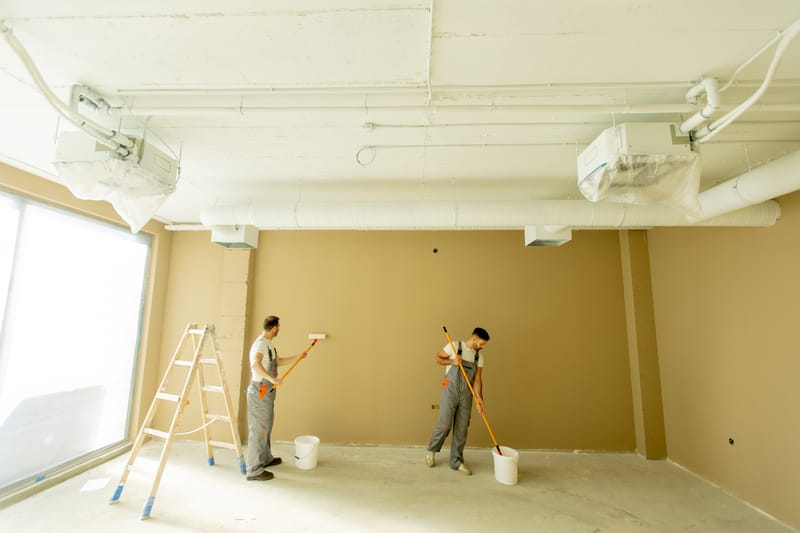
If you are dealing with apartment painting in Portland, the goal is not just speed. The goal is controlled speed. You want units turned fast enough to protect revenue, but not so fast that the finished product looks like somebody painted it with panic and bad decisions.

Key Features

  • Unit-turn speed without garbage quality-This article shows how to move units faster while protecting finish standards, not sacrificing them.
  • Portland-specific operational logic-It accounts for local building conditions, moisture issues, and real multifamily turnover pressure.
  • Repeatable process for property managers-It gives a structured unit-turn workflow that helps maintenance, leasing, and painting stay aligned.


Unit turns are where a lot of apartment properties quietly bleed money. Every extra day a unit sits vacant costs rent, slows leasing, and creates pressure that makes people rush the paint work. That is exactly how properties end up with sloppy cut lines, flashing patches, roller trash, cheap touch-ups, and callbacks that should not exist in the first place.

If you are dealing with apartment painting in Portland, the goal is not just speed. The goal is controlled speed. You want units turned fast enough to protect revenue, but not so fast that the finished product looks like somebody painted it with panic and bad decisions.

In Portland, apartment unit turns are their own animal. You are rarely walking into a perfect blank slate. You are dealing with scuffed walls, patchwork repairs, smoke smell, grease, damaged trim, bad prior paint jobs, moisture issues, move-out grime, and leasing pressure breathing down everybody’s neck.That pressure is where properties get stupid.Someone says, “Just get paint on the walls.”

Then the prep gets shortened.

Then the patching flashes through.

Then the trim looks rough.

Then the unit gets leased anyway because timing mattered more than quality.

Then six months later it looks beat again and everybody acts surprised.

That is not an apartment painting strategy. That is just expensive procrastination wearing work boots.A better system for apartment painting in Portland is simple: standardize the turn process, use the right paint system, tighten the handoff between maintenance and painting, and move fast in the areas that actually can move fast. That is how you shorten vacancy without delivering junk.


Things to Know

  • Fast turns only work long-term when the prep, product choice, and closeout process are standardized.
  • A heavy turn unit should never be scheduled like a light touch-up unit just because leasing wants miracles.
  • Cheap material and weak prep usually create more callbacks, more wear, and more repainting later.
  • Maintenance-to-paint handoff is one of the biggest hidden factors in vacancy speed.
  • The best apartment turn systems remove decision-making chaos from every single unit.


What makes apartment unit turn painting so hard?

Because unit turns are rarely just painting.

They are usually stacked on top of:

  • patching and repairs
  • cleaning delays
  • flooring schedules
  • maintenance punch items
  • odor issues
  • appliance replacement
  • leasing deadlines
  • lock and access coordination

So the painter is not walking into a clean, ready unit with perfect walls and unlimited time. They are walking into a moving target.In Portland, that gets worse when:

  • winter moisture slows drying
  • older buildings have more wall damage
  • units have inconsistent prior coatings
  • the property is trying to turn multiple units at once

That is why apartment painting Portland projects need a repeatable turn system, not random heroics.

How do you turn apartment units faster without sacrificing quality?

By deciding what gets standardized and what gets flagged.

That is the whole damn trick.

Standardize the repeatable stuff

Every unit turn should have:

  • the same inspection flow
  • the same prep checklist
  • the same paint specs
  • the same room sequence
  • the same quality threshold
  • the same punch closeout process

Flag the exceptions early

Separate out units with:

  • heavy damage
  • nicotine or odor issues
  • moisture staining
  • larger drywall repairs
  • cabinet damage
  • color change requests
  • unusual trim or high-detail areas

If you treat every unit like it is the same, you will either move too slow on easy turns or too fast on ugly ones. Neither is smart.

What should the apartment turn painting workflow look like?

Here is a clean version that actually works. 


StepWhat happensWhy it matters
1. Move-out inspectionIdentify damage, odors, stains, repairsStops surprises from killing the schedule
2. Scope classificationLight turn, standard turn, heavy turnHelps schedule labor correctly
3. Maintenance handoffRepairs done before paint startsPrevents rework and wasted trips
4. Surface prepPatch, sand, caulk, spot-prime, maskThis is where the finish is won or lost
5. Paint applicationStandard room-by-room sequenceSpeeds up production and consistency
6. Dry time + touch-upControlled punch passKeeps the final result from looking rushed
7. Closeout reviewCheck walls, trim, doors, coverageAvoids leasing dirty or unfinished work


This is not complicated. It just requires discipline, which is apparently rare enough to be a competitive advantage.

How should apartment units be classified before painting starts?

Not every unit needs the same effort.

That matters because one of the fastest ways to screw up a turn schedule is to pretend they are all equal.

Light turn

Usually needs:

  • minor wall touch-up
  • limited patching
  • one standard wall color refresh
  • trim touch-up only
  • fast punch

Best for:

  • newer units
  • short-tenancy occupants
  • low-damage move-outs

Standard turn

Usually needs:

  • moderate patching
  • full wall repaint
  • trim touch-up or limited repaint
  • stain blocking in small areas
  • standard cleanup and closeout

Best for:

  • normal vacancy cycle
  • moderate wear
  • average tenant damage

Heavy turn

Usually needs:

  • major patching
  • stain and odor treatment
  • full repaint walls and trim
  • possible ceiling repair
  • more drying time and more punch

Best for:

  • older units
  • high-damage move-outs
  • smoker units
  • neglected interiors

If you classify units properly at the start, staffing gets easier and expectations get cleaner.

What prep work can never be skipped, even on fast turns?

This is where people try to save time and end up creating more work.

Fast apartment painting does not mean no prep. It means smart prep.

Prep that still has to happen

  • dust and debris removal
  • patching holes and dings
  • sanding repairs
  • spot priming
  • caulking where needed
  • masking floors, counters, or fixtures when appropriate
  • cleaning grease or residue in kitchens and baths

Prep that gets butchered on sloppy turns

  • patch sanding
  • stain treatment
  • edge cleanup near trim
  • top-of-wall cut lines
  • door and frame prep
  • repainting over dirty surfaces

That is why rushed unit turns often look fine from 10 feet away and embarrassing from 3 feet away.


In Our Experience

In our experience, the properties that turn units the fastest without looking sloppy are not usually the ones pushing the hardest. They are the ones with the cleanest process. They classify units correctly, get maintenance out of the way before paint starts, use repeatable specs, and leave just enough time for punch so the unit does not look like it got painted in a panic attack.


What paint systems work best for apartment painting in Portland turns?

For most apartment turn work, you want systems that balance:

  • coverage
  • dry time
  • durability
  • washability
  • touch-up consistency
  • odor control

Portland adds one more issue: drying conditions are not always ideal, especially in colder or damp months.

In most turn environments, the right system should:

  • cover common wear patterns well
  • allow for fast recoat windows
  • hold up to cleaning and tenant use
  • avoid excessive odor in occupied or recently cleaned environments
  • work consistently across repeated units

Areas that often need different logic

Walls

Need solid hide, repeatability, and speed.

Trim and doors

Need durability and a cleaner finish, especially in properties that take abuse.

Bathrooms and kitchens

Need better moisture tolerance and easier cleaning.

Ceilings

Usually need stain handling more than fancy finish quality.

The goal is not to use the cheapest paint that technically qualifies as paint. The goal is to use a system that lowers rework and keeps the turn cycle tight.

How do you speed up apartment painting without getting sloppy?

You improve flow, not just pace.

That means controlling:

  • sequence
  • handoffs
  • material staging
  • labor assignment
  • punch timing

A fast, clean room sequence usually looks like this

1. Walk and mark repairs

Do not let the painter discover every issue mid-job.

2. Complete repairs before broad painting starts

Stack patching and sanding first so the painter is not bouncing back and forth like a maniac.

3. Prime problem spots early

Especially stains, repairs, and suspect areas.

4. Paint ceilings and walls in a repeatable order

Same sequence every time. Same logic every time.

5. Handle trim and doors with intention

Do not leave them as a rushed afterthought.

6. Leave time for punch

A unit without punch time is a unit that is being leased half-finished.

Fast properties usually are not faster because individual painters are superheroes. They are faster because the workflow is tighter.

What are the biggest mistakes properties make during paint turns?

Here is the ugly little list.

Starting paint before maintenance is done

Now the painter works around repairs, or worse, repairs happen after paint. Brilliant.

Using one schedule for all units

A light touch-up and a smoker rehab are not the same job.

Treating touch-up like a replacement for repainting

Sometimes touch-up is fine. Sometimes it makes the unit look worse because old paint has faded or flashed.

Ignoring odor and stain issues

You cannot hide everything with optimism and one coat.

Leasing before proper closeout

This is how callbacks get born.

Going too cheap on material

Low-end systems create more labor pain and more frequent repaints. Fake savings again.

How do maintenance and painting teams need to coordinate?

This is one of the biggest hidden levers.

A lot of turn delays are not caused by painting itself. They are caused by dumb handoffs between departments.

Maintenance should finish or clearly flag:

  • drywall repairs
  • plumbing leaks
  • fixture removals
  • damaged trim
  • door hardware issues
  • cabinet and vanity defects
  • moisture or mold concerns that affect paint

Painting should clearly communicate:

  • what is ready
  • what is not
  • what needs stain blocking
  • what requires more drying time
  • what still needs punch before turnover

If the handoff between maintenance and painting sucks, the whole unit turn sucks.

How long should apartment turn painting take?

That depends on the unit condition, not the fantasy schedule.

Rough timing logic


Unit TypeConditionTypical Paint ScopeTime Pressure Risk
Studio / 1-bedLight turnWall refresh, minor touch-upLow
1-bed / 2-bedStandard turnFull walls, minor trimMedium
2-bed / 3-bedHeavy turnWalls, ceilings, trim, repairsHigh
Damaged / smoker unitHeavy rehabStain block, odor work, heavy patchingVery high


The mistake is assuming the leasing target date magically changes how long the prep and paint should take. It does not. The work still takes the time the work takes.

What you can improve is:

  • readiness before paint begins
  • crew sequencing
  • material consistency
  • unit classification
  • punch efficiency

That is where speed actually comes from.

How do you keep apartment turns looking consistent across multiple units?

Consistency comes from rules, not vibes.

You need:

  • standard wall color
  • standard sheen
  • standard trim spec
  • standard repair threshold
  • standard closeout checklist
  • standard inspection process

If every painter handles turn units differently, the property ends up with inconsistent walls, inconsistent sheen, inconsistent trim finish, and a general “cheap apartment” look even if the building is otherwise decent.

That is one reason standardized apartment painting Portland workflows matter so much in multifamily operations.

What does a clean apartment paint closeout checklist look like?

Here is the bare minimum.

Paint closeout checklist

  • walls fully covered, no flash patches showing
  • cut lines clean at ceilings and trim
  • no heavy lap marks or roller lines
  • patched areas blended properly
  • doors and frames not left half-touched
  • trim free of major drips and misses
  • no paint on floors, fixtures, counters, or hardware
  • odor issues addressed, not ignored
  • touch-ups complete before leasing walk

That checklist is boring, which is exactly why it matters. Boring systems make profitable turns.

How does this fit into the Portland multifamily market specifically?

Portland apartment owners and managers are dealing with a mix of:

  • older housing stock
  • moisture-sensitive interiors
  • tenant wear patterns
  • variable seasonal drying conditions
  • tighter turn expectations
  • rising labor and material costs

That means the old lazy model of “just slap paint on it between tenants” gets more expensive over time.

A better apartment painting Portland strategy protects:

  • vacancy time
  • finish quality
  • maintenance workload
  • resident perception
  • long-term repaint cycles

That is what the smarter operators are after.

When should a property manager bring in a professional apartment painting contractor?

Bring one in when:

  • unit volume is high
  • turn consistency matters
  • maintenance is overloaded
  • vacancy time is hurting revenue
  • in-house painting quality is uneven
  • the property wants a cleaner repeatable system

A real contractor should help create the turn logic, not just show up and start rolling walls.

Questions to ask before hiring

  • How do you classify turn units?
  • What prep do you consider mandatory?
  • How do you handle stain and odor units?
  • What paint systems do you recommend for repetitive apartment turns?
  • How do you coordinate with maintenance?
  • What does your closeout process look like?
  • How do you keep fast turns from looking rushed?

If their answer is basically “we move quick,” that is not enough. So does diarrhea.


If you are trying to turn Portland apartment units faster without handing your leasing team a bunch of sloppy-looking inventory, Lightmen Painting can help. We focus on repeatable repaint systems that protect vacancy time, finish quality, and day-to-day property operations.


Do You Have Questions? Give Us A Call With Any & All! 

If you’re in the Portland, OR metro area and you want:

a clean plan before repainting, or

help diagnosing exterior paint failures, or

a crew that resolves issues like adults or

You Just Have Questions…

Here’s the easiest path:

Request an estimate

Email: scheduling@lightmenpainting.com

Call: 503-389-5758

-

People Also Ask:

How fast can an apartment unit be painted in Portland?

It depends on the condition of the unit. A light turn can move quickly, but a damaged or stain-heavy unit needs more prep, more dry time, and more controlled closeout.

What is the biggest mistake in apartment unit turn painting?

The biggest mistake is rushing prep and repairs to hit a leasing deadline, then ending up with a finish that looks rough and needs more work later.

Should apartments use touch-up or full repaint between tenants?

That depends on wear, fading, patches, and overall appearance. Sometimes touch-up is enough, but sometimes a full repaint is the only way to avoid a blotchy, cheap-looking result.


-

Want to Learn How to Paint Like a Pro?

Whether you're a DIY enthusiast or dreaming of starting your own painting business, we've got you covered! Lightmen Painting now offers exclusive online Painting Courses designed to teach you real-world skills from real professionals. From prep work to perfect brush technique, we break it all down step-by-step.

👉 Check out the courses here: Lightmen Courses 

Take the first step—level up your skills and paint with confidence. Let’s roll!


Subscribe to Our Blog & Elevate Your DIY Game! Never miss a beat! Join the Lightmen Painting community and get the latest insights on painting, DIY projects, and expert tips delivered straight to your inbox.

Have something specific in mind? We’d love to hear your ideas! Let us know what topics or projects you’re curious about—your input could shape our next post.


Transform Your Space — Or Just Look Like You Know What You're Doing.

Ready to upgrade your painting game? From pro-approved tools to field-tested templates, the Lightmen Shop has the stuff the pros don’t want you to find.

Click in, gear up, and paint smarter.

If your in the Portland, Or. area and need advice or a free no obligation estimate call us at 503-389-5758 or email scheduling@lightmenpainting.com


Resources: 


Definitions

  • Apartment painting Portland-Painting services for apartment units and rental properties in the Portland area.
  • Unit turn-The turnover process between one tenant moving out and the next tenant moving in.
  • Make-ready-The full preparation of a rental unit for leasing, including cleaning, repairs, and painting.
  • Touch-up painting-Limited repainting of damaged or marked areas instead of repainting the full surface.
  • Full repaint-Repainting the complete wall, ceiling, trim, or unit rather than only damaged sections.
  • Stain blocking-Using specialty primer or coating to prevent stains from bleeding through finish paint.
  • Flash patching-Visible patch repairs that show through paint because they were not properly primed or blended.
  • Turn cycle-The total time required to prepare a vacant unit for the next resident.
  • Closeout checklist-A final inspection list used to confirm the unit is complete and ready.
  • Multifamily maintenance coordination-The planning and handoff between painting, repairs, and property operations in apartment buildings.


Trusted in Portland, Happy Valley, Sherwood, Lake Oswego, and Beaverton
Cabinets, interiors, exteriors, apartment complexes

See recent projects          Get an estimate

Apartment painting Portland properties need a repeatable unit turn system that balances speed, finish quality, and vacancy control. Property managers, apartment owners, and multifamily operators in Portland need apartment painting contractors who understand patching, stain blocking, odor control, unit classification, and turn sequencing. Fast apartment unit turns should not mean sloppy cut lines, poor prep, flashing repairs, or short-lived finishes. A better apartment painting Portland workflow improves leasing speed, reduces callbacks, supports maintenance coordination, and creates a more consistent standard across multifamily interiors. Portland apartment painting projects perform best when the paint system, prep standards, and turnover schedule are built around actual unit conditions rather than unrealistic deadlines.
Read More  

HOA and Condo Painting Portland: How Boards Can Plan a Repaint Without the Usual Mess

If you are planning HOA and condo painting in Portland, the smart move is not just getting quotes. It is building a repaint plan that covers scope, phasing, resident communication, access, weather, product selection, and decision-making before the first ladder hits the site.

Key Features

  • Board-friendly repaint planning framework-This article gives HOA boards and condo associations a cleaner way to define scope, compare bids, and manage repaint projects.
  • Portland-specific condo and HOA logic-It addresses local weather, moisture, scheduling realities, and the shared-ownership issues that shape repaint decisions.
  • Operational focus instead of generic paint advice-It covers phasing, communication, scope clarity, and contractor evaluation so the board can avoid the usual project mess.


HOA and condo repaint projects go sideways for the same boring reasons over and over: vague scopes, bad timing, weak communication, too many opinions, cheap bids, and a board trying to make a major capital decision without a clean process. Then the repaint starts, residents get irritated, access gets messy, weather causes delays, and everybody acts like this was somehow unpredictable.

If you are planning HOA and condo painting in Portland, the smart move is not just getting quotes. It is building a repaint plan that covers scope, phasing, resident communication, access, weather, product selection, and decision-making before the first ladder hits the site.

Condo and HOA repaint work is different from standard apartment painting, and it is definitely different from repainting one house.

You are dealing with shared ownership, board approvals, resident expectations, common elements, limited disruption tolerance, budget pressure, and usually at least one person who suddenly becomes a coatings expert the second bids show up. That is just part of the fun.

In Portland, you also have to deal with moisture, seasonal weather windows, older exterior materials, changing product needs, and properties that often have a mix of visible wear and deferred maintenance. So if the board does not plan the repaint correctly, the project gets messier fast.

A good HOA and condo painting Portland plan should answer a few basic questions early:

  • What exactly is being painted?
  • What condition is it in?
  • What prep is required?
  • When should the work happen?
  • How should it be phased?
  • How will residents be informed?
  • What standards will the contractor be held to?
  • How do you avoid the usual circus?

That is what this article is about.


Things to Know

  • Condo and HOA repaint projects usually go smoother when the board defines scope before asking for bids.
  • Lowest-price bids often hide weaker prep, vaguer assumptions, or worse project control.
  • Portland weather needs to be built into the repaint plan from the start, not reacted to after the project begins.
  • Resident communication is a major part of project success on occupied condo properties.
  • Color decisions need a controlled process or they can derail momentum fast.


Why do HOA and condo repaint projects get messy so often?

Because a lot of boards start with pricing instead of planning.That sounds efficient. It is not.If the scope is fuzzy, the bids get fuzzy. If the bids get fuzzy, the contractor comparison gets stupid. Then boards end up comparing apples, oranges, and whatever the hell the lowest bidder is hiding.

Most condo repaint problems start with one or more of these:

  • unclear scope of work
  • no real condition assessment
  • unrealistic scheduling assumptions
  • weak resident communication
  • no phasing plan
  • underestimating prep needs
  • choosing based only on price
  • not deciding who owns daily project communication
  • waiting too long, so simple repainting turns into repair-heavy work

A repaint goes much better when the board treats it like a managed building project, not a last-minute maintenance scramble.

What should an HOA or condo board decide before requesting bids?

A lot more than most boards think.

Before asking for pricing, the board should define:

  • what surfaces are included
  • what surfaces are excluded
  • whether this is exterior only, common area only, or mixed scope
  • whether carpentry or repair work is expected
  • whether color changes are being considered
  • how much resident disruption is acceptable
  • whether balconies, entries, stairs, or parking will be affected
  • what timeline window makes sense for Portland weather
  • who the board or association contact person is during the project

If you skip those decisions, the bid process turns into guesswork with letterhead.

How should a condo or HOA repaint scope be built?

By walking the property like adults and documenting what is actually there.A real scope should not be based on:

  • memory
  • “we painted it about ten years ago, I think”
  • one or two ugly spots somebody noticed
  • generic assumptions from the last project

A strong scope usually starts with:

1. Property-wide condition review

Look for:

  • peeling paint
  • failed caulk
  • exposed wood
  • cracking trim
  • chalking
  • mildew or moss
  • entry wear
  • balcony rail deterioration
  • stair and walkway issues
  • damaged soffits, fascia, siding, or doors

2. Surface inventory

Document:

  • siding type
  • trim type
  • metal components
  • handrails
  • balconies
  • shared doors and frames
  • common entries
  • stair structures
  • breezeways or corridors

3. Prep expectations

Spell out:

  • scraping
  • sanding
  • priming
  • caulking
  • cleaning
  • pressure washing
  • spot repairs
  • material protection

4. Finish expectations

Define:

  • what gets painted
  • how many coats
  • what product system is intended
  • what surfaces need more durability
  • what finish quality is expected in visible areas

That is how you get cleaner, more comparable bids.


When is the best time for HOA and condo painting in Portland?

Usually when the weather gives you a real shot at success, not when the calendar looks emotionally satisfying.For most exterior HOA and condo painting Portland work, the better window is during drier late spring through early fall conditions, depending on the property, surface moisture, and coating system.

Why timing matters so much in Portland

Portland weather affects:

  • washing and prep schedules
  • dry time
  • cure conditions
  • moisture trapped in older substrates
  • how long active work zones stay open
  • whether a “fast repaint” turns into a dragged-out headache

Smart boards usually plan ahead for:

  • weather float days
  • contractor availability
  • resident notice lead time
  • repair coordination before painting starts
  • visible priority areas if full scope must be phased

If the board starts planning the repaint when they want the project to already be underway, they are late.

How should a condo repaint be phased so residents do not lose their minds?

By making the work feel contained.That matters. A contained project feels manageable. A scattered project feels like chaos.

Common phasing options for HOA and condo projects

Building-by-building

Good for:

  • townhouse-style condo communities
  • garden-style layouts
  • separated structures

Why it works:

  • easier communication
  • easier access control
  • less property-wide disruption
  • stronger visual progress

Elevation-by-elevation

Good for:

  • larger single-building communities
  • properties where one façade can be isolated better than others

Why it works:

  • better weather management
  • tighter access control
  • easier sequencing for higher repair areas

Common-elements-first

Good for:

  • properties that need quick visual improvement
  • entry-heavy communities
  • projects with phased funding or phased scope

Why it works:

  • improves first impression fast
  • gives residents visible proof that progress is happening
  • can stabilize the ugliest shared elements early

The biggest mistake is opening too much work at once. That creates stress, confusion, and an unfinished look everywhere.

What resident communication should happen before work starts?

More than one vague email. Shocking, I know.Residents need actual information, not generic reassurance.

A smart communication plan usually includes:

Initial project notice

Sent early and covers:

  • what is being painted
  • why the project is happening
  • rough timeline
  • expected work hours
  • possible disruptions
  • how updates will be shared

Zone-specific notices

Sent before work reaches each building, section, or elevation.Should cover:

  • exact dates if possible
  • parking or access changes
  • balcony or patio prep expectations
  • whether windows should remain closed during certain work
  • contact person for questions

Reminder notices

A short reminder the day before or morning of the affected work area.

On-site signage

Because not everyone reads emails and some people treat posted notices like decorative wallpaper.Communication is what prevents a normal repaint inconvenience from turning into a resident drama festival.

What are the biggest planning mistakes HOA boards make?

There are a few classics.

Choosing based only on the lowest number

That is how boards end up buying thin prep, vague scope, weak supervision, and future headaches at a discount.

Not defining repair responsibility

If carpentry or substrate repairs are needed, that must be clear early. Otherwise the repaint gets delayed midstream while everyone argues about who owns what.

Waiting too long

Deferred maintenance makes the repaint more expensive and more disruptive.

Letting too many people change the scope

Board input matters. Random resident preference chaos does not.

Ignoring product system quality

On condo and HOA properties, paint system durability matters because callbacks, early wear, and inconsistent aging create bigger community headaches later.

No clear project point person

Someone needs to own communication between the board, manager, residents, and contractor. Without that, updates get sloppy and confusion spreads.


In Our Experience

In our experience, the cleanest HOA and condo repaint jobs happen when the board gets organized before the contractor is selected. Once the scope, phasing, communication plan, and expectations are clear, the whole project feels calmer. The boards that struggle most are usually the ones trying to make a major capital improvement decision without enough structure, then expecting the contractor to magically fix the confusion on the fly.


How should boards compare painting contractors intelligently?

Not by counting who used the fanciest folder.Compare:

  • scope clarity
  • prep detail
  • phasing logic
  • resident disruption plan
  • weather awareness
  • product system quality
  • supervision structure
  • closeout process
  • communication process
  • comparable multifamily or HOA experience

Good contractor comparison questions

  • How do you handle occupied condo communities?
  • How do you phase projects to reduce resident frustration?
  • What prep standards are included?
  • What assumptions are built into the price?
  • How do you handle weather delays in Portland?
  • Who manages day-to-day communication?
  • What does closeout and punch look like?
  • What happens if hidden deterioration is found?

A contractor who cannot explain the operational side clearly is not giving the board enough to trust.

What surfaces on condo and HOA properties usually need the most attention?

Depends on the community, but these are the usual suspects:

Exterior trouble spots

  • siding with failing caulk joints
  • trim and fascia
  • balcony rails and posts
  • shared stair structures
  • entry doors and frames
  • exposed wood details
  • breezeway walls and ceilings
  • handrails and metal components
  • high-sun or high-moisture elevations

Common area trouble spots

  • lobbies
  • corridors
  • stairwells
  • shared doors and trim
  • mail areas
  • package zones
  • walls near entry points

These areas often show the real age of the property before the board fully realizes how much visual wear has built up.

How do paint systems affect long-term HOA value?

A lot.

Board members do not need to become paint chemists, but they do need to understand one basic truth: the cheapest acceptable system is rarely the best value on a shared property.

Better systems usually help with:

  • moisture resistance
  • color retention
  • touch-up consistency
  • lower maintenance burden
  • cleaner aging across multiple buildings
  • less early failure in exposed Portland conditions

That does not mean throwing money at the most expensive product in existence. It means choosing a system that matches:

  • the substrate
  • the property exposure
  • the prep level
  • the wear zones
  • the desired repaint cycle

A condo community is a long-term asset. Plan like it.

How should boards handle color decisions without turning it into a blood sport?

By limiting the decision process.

Seriously.

Color selection on condo and HOA projects gets ugly when there is no structure. Suddenly everybody has a deep emotional relationship with trim undertones and the project bogs down.

Better color process

  • decide whether the goal is refresh or real color change
  • limit options to a few strong candidates
  • review colors in real exterior light
  • consider roof, stone, metal, and hardscape
  • evaluate how colors work across the full property, not just on one sample board
  • make the final decision through the board process, not crowd chaos

The goal is not pleasing every human on the property. The goal is choosing a durable, coherent scheme that supports the community and ages well.

Mini scenario: organized condo repaint vs the usual mess

Let’s say a Portland condo association is planning an exterior repaint for 6 residential buildings, shared entries, rails, and stair structures.

The messy version

  • board requests quick bids from three contractors with vague scope
  • one bid is way lower and gets selected
  • contractor starts asking about repairs after work begins
  • residents do not know when their building is active
  • parking and access changes frustrate owners
  • rain delays push the schedule around
  • some buildings look half-finished for weeks
  • board meetings get spicy for all the wrong reasons

The organized version

  • board documents scope and priority areas first
  • repair assumptions are clarified
  • work is phased building by building
  • product system fits Portland conditions
  • residents get zone-specific updates
  • the contractor has one clear site communication lead
  • visible progress happens without the property feeling wrecked

Same repaint category. Totally different outcome.

What should the board’s project process look like from start to finish?

A clean version looks like this: 


PhaseWhat the board should doWhy it matters
1. Condition reviewAssess paint, prep, and repair needsBuilds real scope
2. Scope definitionClarify surfaces, priorities, exclusionsMakes bids comparable
3. Bid processRequest detailed proposalsReduces ambiguity
4. Contractor evaluationCompare operations, not just numberBetter outcome
5. Resident notice planningBuild communication scheduleLowers complaints
6. Project phasingSequence buildings or zonesKeeps site manageable
7. Active work oversightUse a clear board/manager contactCleaner coordination
8. Punch and closeoutReview completed areas properlyProtects final quality


This is not overcomplicated. It is just what competent project planning looks like.

When should a board bring in a professional painting contractor or consultant?

Early enough to still make good decisions.Bring in a real contractor early when:

  • the scope is large
  • there are multiple buildings
  • the property is showing moisture or repair problems
  • the board wants clearer phasing and disruption control
  • residents are sensitive to access changes
  • the prior repaint cycle was messy or short-lived
  • the association wants a more durable long-term plan

A good contractor should help the board think better, not just sell harder.

How does this article fit into the cluster?

This is a supporting authority article with strong commercial conversion value.It fits the Multifamily & Apartments cluster by focusing on condo boards and HOA decision-makers, which is a slightly different buyer group than apartment managers, but still lives in the same repaint planning ecosystem.It naturally links to:

  • exterior staging for large repaint projects
  • common area painting
  • broader multifamily repaint planning
  • weather-aware scheduling
  • product selection for wet Portland conditions

This page helps catch the organized, higher-consideration buyer before they reduce the whole repaint decision to “who gave the lowest number.”


If your board is trying to plan a condo or HOA repaint in Portland without the usual confusion, weak bids, and resident frustration, Lightmen Painting can help. The goal is a repaint plan that makes sense before the project starts, not one that gets invented mid-chaos after work is already underway.


Do You Have Questions? Give Us A Call With Any & All! 

If you’re in the Portland, OR metro area and you want:

a clean plan before repainting, or

help diagnosing exterior paint failures, or

a crew that resolves issues like adults or

You Just Have Questions…

Here’s the easiest path:

Request an estimate

Email: scheduling@lightmenpainting.com

Call: 503-389-5758

-

People Also Ask:

Board-friendly repaint planning framework?

This article gives HOA boards and condo associations a cleaner way to define scope, compare bids, and manage repaint projects.

Portland-specific condo and HOA logic?

It addresses local weather, moisture, scheduling realities, and the shared-ownership issues that shape repaint decisions.

Operational focus instead of generic paint advice?

It covers phasing, communication, scope clarity, and contractor evaluation so the board can avoid the usual project mess.


-

Want to Learn How to Paint Like a Pro?

Whether you're a DIY enthusiast or dreaming of starting your own painting business, we've got you covered! Lightmen Painting now offers exclusive online Painting Courses designed to teach you real-world skills from real professionals. From prep work to perfect brush technique, we break it all down step-by-step.

👉 Check out the courses here: Lightmen Courses 

Take the first step—level up your skills and paint with confidence. Let’s roll!


Subscribe to Our Blog & Elevate Your DIY Game! Never miss a beat! Join the Lightmen Painting community and get the latest insights on painting, DIY projects, and expert tips delivered straight to your inbox.

Have something specific in mind? We’d love to hear your ideas! Let us know what topics or projects you’re curious about—your input could shape our next post.


Transform Your Space — Or Just Look Like You Know What You're Doing.

Ready to upgrade your painting game? From pro-approved tools to field-tested templates, the Lightmen Shop has the stuff the pros don’t want you to find.

Click in, gear up, and paint smarter.

If your in the Portland, Or. area and need advice or a free no obligation estimate call us at 503-389-5758 or email scheduling@lightmenpainting.com


Resources: 


Definitions

  • HOA and condo painting Portland-Painting services for condominium communities and HOA-managed properties in the Portland area.
  • Condo repaint planning-The process of organizing scope, bids, phasing, and communication for a condominium repaint project.
  • Association common elements-Shared property components owned or managed by the HOA or condo association.
  • Exterior repaint phasing-Breaking an exterior painting project into stages or zones to reduce disruption.
  • Occupied community painting-Painting work performed while residents continue living on-site.
  • Scope of work-The written description of what is included, excluded, and expected in a project.
  • Prep standard-The defined surface preparation requirements before paint application begins.
  • Resident notice plan-A communication system for informing owners or residents about work timing and access changes.
  • Coating system-The full combination of prep, primer, finish coats, and material selection for a surface.
  • Punch closeout-The final inspection and correction process before a project or phase is considered complete.


Trusted in Portland, Happy Valley, Sherwood, Lake Oswego, and Beaverton
Cabinets, interiors, exteriors, apartment complexes

See recent projects          Get an estimate

HOA and condo painting Portland projects require structured repaint planning, not just fast bids and optimistic scheduling. Condo associations, HOA boards, and property managers in Portland need painting contractors who understand occupied communities, exterior phasing, shared access, resident communication, weather delays, and long-term coating performance. A smart HOA and condo painting Portland plan should define scope clearly, address prep and repair expectations, phase the work by building or elevation, and use paint systems that match Portland’s wet climate. Better repaint planning helps condo communities reduce resident complaints, compare bids more intelligently, protect shared assets, and avoid the delays and confusion that usually make association repaint projects messy.

Read More  

When Portland Apartment Buildings Need Repainting and What Happens If You Wait Too Long

If you want to know when Portland apartment buildings need repainting, the answer is usually before the property looks totally wrecked. The smart move is catching the repaint window while it is still mostly a coating job, not after it turns into a deferred maintenance cleanup project with paint attached.

Key Features

  • Timing guidance built for Portland multifamily properties-This article explains how to spot the repaint window before a manageable job turns into a more expensive maintenance problem.
  • Clear explanation of delay costs-It shows exactly how waiting too long affects prep, repairs, resident perception, and overall project cost.
  • Useful for owners, boards, and managers-It helps decision-makers think more strategically about repaint timing instead of relying on guesswork or denial.


Apartment buildings in Portland usually do not fail all at once. They slide. The paint starts looking a little tired. Then trim gets rough. Caulk starts failing. Moisture finds weak spots. Touch-ups stop matching. The property starts looking older than it should. Then one day everybody realizes the building does not just need a repaint. It needs a repaint plus repairs plus more money plus more hassle.

That is what happens when owners wait too long.

If you want to know when Portland apartment buildings need repainting, the answer is usually before the property looks totally wrecked. The smart move is catching the repaint window while it is still mostly a coating job, not after it turns into a deferred maintenance cleanup project with paint attached.

In Portland, paint does not just have to look good. It has to work hard.

Apartment buildings here deal with:

  • repeated rain exposure
  • damp mornings
  • moss and mildew pressure
  • older exterior materials on many properties
  • shared spaces that get beat up daily
  • constant resident traffic
  • repeated maintenance touch-ups
  • a lot of opportunities for small failures to turn into more expensive problems

That means repaint timing matters more than a lot of owners and managers want to admit.

A lot of properties delay repainting because the building is “not that bad yet.” Fair enough. Nobody wants to spend money early if they do not have to. But the problem is that paint failure in Portland rarely stays cosmetic for long. Once caulk fails, surfaces stay wet longer. Once wood gets exposed, deterioration speeds up. Once common areas get too patched and scuffed, the property starts feeling neglected even if occupancy stays fine for a while.

A smarter approach is to understand the signs early, know what a repaint window looks like, and act before the project becomes bigger, uglier, and more expensive than it needed to be.


Things to Know

  • Apartment repaint timing should be based on condition and protection, not just how bad the color looks from the parking lot.
  • Portland moisture makes delayed repainting riskier because small failures can turn into substrate problems faster.
  • Common areas can become visually worn out before exteriors completely fail, and that still matters.
  • Repeated touch-up is not the same thing as staying inside a healthy repaint cycle.
  • Waiting too long usually increases both scope complexity and cost.


How do you know when an apartment building needs repainting?

Usually the building tells you before it starts screaming.

The trick is noticing the signs while they still look manageable.

Common early signs

  • fading or uneven color
  • chalky exterior surfaces
  • peeling or flaking paint
  • cracked or failed caulk
  • exposed wood or worn trim edges
  • staining near joints or transitions
  • repeated moisture marks
  • rough-looking touch-up patches
  • common areas that never look clean anymore
  • stair rails, doors, or trim wearing through fast

A lot of owners wait for dramatic failure. That is usually too late to get the easiest, cheapest version of the repaint.

Why does repaint timing matter more in Portland?

Because Portland is not gentle on buildings.

Portland climate pressure adds up through:

  • wet-dry cycles
  • slower drying windows
  • repeated seasonal moisture
  • mildew and algae growth
  • long damp periods that punish weak caulk and exposed surfaces
  • entry zones that stay dirty and wet longer
  • darker seasons that make worn finishes more noticeable

That is why when Portland apartment buildings need repainting, the right answer is usually tied to performance, not just appearance.

If the system is starting to lose protection, the building is already moving from cosmetic issue to asset-protection issue.


What exterior signs mean a multifamily repaint window is opening?

Exterior warning signs matter most because once the outside starts losing protection, repairs usually get more expensive.

The biggest exterior red flags are:

Fading and uneven color

This does not always mean immediate failure, but it often means the finish is aging hard enough that the protective window is narrowing.

Peeling or flaking paint

Now the system is already breaking. Once paint is no longer bonded well, water and weather start winning faster.

Failed caulk

This is a big one. Caulk failure opens the door to moisture trouble around trim joints, siding transitions, penetrations, and other vulnerable points.

Exposed wood or worn trim edges

This is where “we can wait another year” starts becoming an expensive opinion.

Persistent mildew or staining

Some staining is surface-level. Some points to moisture patterns and weak protection. Either way, it needs a real look.

Patchwork maintenance scars

Once a building starts collecting lots of visible spot repairs and mismatched touch-ups, it usually means the repaint cycle is already overdue or close.

These signs do not always mean total failure today. They do mean the property should stop pretending nothing is happening.

What interior or common-area signs suggest repainting is overdue?

A lot of multifamily owners focus on exterior timing and forget that common areas quietly shape how the property feels every day.

Common-area repaint warning signs

  • hallways look permanently scuffed
  • lobbies feel dingy even after cleaning
  • stairwells show repeated impact wear
  • patch repairs flash through the finish
  • trim and doors chip or mark constantly
  • lower walls near entries look beat up
  • mail and package areas look worn and patched together
  • the property feels more tired than the rent suggests it should

At a certain point, touch-up stops helping. It starts making the building look more inconsistent instead.

How often do Portland apartment buildings usually need repainting?

There is no magic number that applies to every property, and anybody pretending otherwise is oversimplifying.

Repaint timing depends on:

  • substrate type
  • building exposure
  • previous prep quality
  • product system
  • maintenance history
  • moisture patterns
  • resident traffic
  • whether the property is apartments, condos, mixed-use, or something in between

Rough timing logic


AreaWhat affects repaint timing mostTypical trigger
Exterior siding and trimWeather exposure, caulk failure, coating wearLoss of protection or visible aging
Stair rails and doorsContact, moisture, abuseWear-through and finish breakdown
Hallways and common interiorsTraffic, cleaning, patchingPermanent scuffing and visual fatigue
Unit turnsTenant wear, patching, turnover qualityInconsistency and repeated heavy touch-up


The better question is not “how many years exactly?”

The better question is “what condition is the system in right now, and is the property still inside the cheaper repaint window?”

That is the question that actually saves money.

What happens if you wait too long to repaint?

This is where the bill gets uglier.

A delayed repaint does not just mean older-looking paint. It usually means more prep, more repair, more disruption, and more money.

What usually gets worse when you wait too long

More substrate damage

Once the coating and caulk system weakens enough, wood, trim, and transitions stay exposed longer.

More prep labor

Light sanding and spot work turn into heavier scraping, deeper repair treatment, and more detailed prep.

More visible deterioration

The property starts looking rough enough that resident perception, leasing optics, and even board politics get louder.

More patchwork maintenance

Now the building has lots of visible temporary fixes that make the final repaint harder to clean up visually.

More project complexity

What could have been a straight repaint becomes a mixed project with paint, repair, staging headaches, and longer zone activity.

Higher overall cost

This is the part nobody likes hearing, but it is true. Delaying can absolutely make the eventual repaint more expensive.

Waiting too long is not usually “saving money.” It is often just delaying a more expensive version of the same problem.

How does delayed repainting affect property value and perception?

More than a lot of owners want to admit.

Residents notice when a building feels tired

Even if they cannot describe the paint failure perfectly, they can feel when the property looks:

  • older than it should
  • less cared for
  • more patched than maintained
  • worn in high-visibility areas

Prospects notice first impressions

A rough entry, faded exterior, or beat-up hallway tells a story before anyone talks about amenities or square footage.

Owners and boards feel it in maintenance drag

The more surfaces degrade, the more little fixes pile up:

  • more caulk calls
  • more trim touch-up
  • more complaint-driven patching
  • more recurring problem spots

That adds up into a property that feels like it is always being nursed instead of maintained properly.

How do touch-ups and partial fixes hide the problem until it gets worse?

Because touch-ups can make a building temporarily look less bad without actually resetting the system.

That works for a while.Then the property ends up with:

  • mismatched color
  • flashing repairs
  • uneven sheen
  • trim that looks touched-up in thirty different eras
  • partial fixes sitting beside failing original coatings

Touch-up becomes a problem when:

  • it is replacing real repaint planning
  • it is happening repeatedly in the same areas
  • it is more visible than the original damage
  • it is used to delay addressing caulk and moisture trouble
  • it makes the building look patched instead of maintained

There is a point where the property needs an actual reset, not another cosmetic bandage.

What are the most vulnerable surfaces on apartment buildings?

Some surfaces age faster because they live a harder life.

Exterior trouble spots

  • trim and fascia
  • exposed wood details
  • balcony rails and posts
  • stair structures
  • doors and frames
  • breezeways
  • weather-heavy elevations
  • siding transitions and joints

Interior/common-area trouble spots

  • hallways
  • stairwells
  • lower corridor walls
  • lobby trim
  • shared entry doors
  • mail and package areas
  • utility-adjacent walls
  • high-touch corners and edges

These are usually the first areas where repainting should be evaluated honestly, because they often tell the truth before the rest of the property does.


In Our Experience

In our experience, the cheapest time to repaint a multifamily property is usually before ownership feels emotionally ready to spend the money. Once the building obviously looks rough, the project has often already gotten bigger. The owners who do best are the ones who catch the wear early, build a plan, and repaint while most of the work is still prevention and reset, not damage control.


How should owners inspect a property before deciding to repaint?

Do a real condition review, not a lazy walk-around where everybody points at the obvious ugly spots and calls it good.

A better inspection should look at:

  • paint adhesion
  • fade level
  • caulk condition
  • exposed substrate
  • mildew or staining patterns
  • repetitive failure areas
  • trim wear
  • hand-contact wear in shared spaces
  • patching quality in common areas
  • whether touch-up is still working or not

Questions to ask during review

  • Is this still mostly a repaint job?
  • Are repairs growing beyond basic prep?
  • Are multiple buildings or elevations aging unevenly?
  • Are common areas starting to hurt perception?
  • Is the property holding together or just being held together?

That difference matters.

Should owners repaint the whole property at once or phase it?

Depends on the property, the budget, and how uneven the deterioration is.

Full repaint makes sense when:

  • the whole property is aging at a similar level
  • visual consistency matters right now
  • the building is being repositioned
  • the ownership wants one stronger reset instead of ongoing partial work

Phased repaint makes sense when:

  • some buildings or elevations are clearly more urgent
  • budget needs to be staged
  • common areas need one timeline and exteriors need another
  • the property wants to prioritize visible or vulnerable areas first

The key is doing it intentionally.A phased plan is smart.

A reactive “paint whatever looks worst this quarter” approach usually is not.

Mini scenario: repainting at the right time vs waiting too long

Let’s say a Portland apartment property notices:

  • fading trim
  • cracked caulk in several areas
  • hallway walls that stay scuffed and patched
  • one weather-heavy building side starting to peel

Smart version

The owner evaluates the full condition now, builds scope, chooses a repaint window, and handles the project while most surfaces are still mainly coating work plus reasonable prep.

Delay version

They touch up a few areas, postpone decisions, and revisit next year.

Now they are dealing with:

  • more peeling
  • more exposed wood
  • more common-area patchwork
  • more resident complaints about appearance
  • more repair labor
  • more expensive repaint logic

Same property. Different bill. Different stress level.

When should a property manager bring in a contractor for an evaluation?

Before the repaint becomes obvious to everyone with eyeballs.

Bring a contractor in when:

  • touch-ups are no longer solving the visual problem
  • caulk and paint failure are showing up together
  • exterior wear looks uneven across the property
  • common areas feel worn even after cleaning
  • budget planning needs a real scope
  • ownership is debating between “wait” and “go”

A good contractor should help identify:

  • what is still a standard repaint issue
  • what is turning into repair work
  • what should be prioritized first
  • what system makes sense for Portland conditions
  • whether the property can still catch the easier repaint window

That is a much better conversation than “how low can you bid this once it is already half-failing?”

How does this article fit into the cluster?

This article is a supporting authority page with strong problem-stage and conversion intent.

It fits the Multifamily & Apartments cluster by covering repaint timing, deterioration, and what happens when owners wait too long. It naturally supports:

  • multifamily complaint reduction
  • large exterior staging
  • weather-aware scheduling
  • paint system selection
  • common-area repaint planning

This article helps catch buyers when they are still in the “do we need to repaint yet?” stage, which is early enough to build trust before the project becomes a fire drill.


If you are trying to figure out whether your Portland apartment property is still in the manageable repaint window or already drifting into the more expensive version of the problem, Lightmen Painting can help. A good repaint plan starts with an honest look at condition, timing, and what happens if you keep waiting.


Do You Have Questions? Give Us A Call With Any & All! 

If you’re in the Portland, OR metro area and you want:

a clean plan before repainting, or

help diagnosing exterior paint failures, or

a crew that resolves issues like adults or

You Just Have Questions…

Here’s the easiest path:

Request an estimate

Email: scheduling@lightmenpainting.com

Call: 503-389-5758

-

People Also Ask:

How do I know if an apartment building needs repainting?

Look for fading, peeling, failed caulk, exposed wood, common-area wear, repeated patching, and finishes that no longer look clean or protected even after maintenance.

What happens if you wait too long to repaint an apartment building?

Waiting too long usually leads to more prep, more repairs, more visible deterioration, more maintenance headaches, and a higher total project cost.

How often should Portland apartment buildings be repainted?

It depends on exposure, substrate, product system, and maintenance history, but the right answer comes from condition review more than a simple year count.


-

Want to Learn How to Paint Like a Pro?

Whether you're a DIY enthusiast or dreaming of starting your own painting business, we've got you covered! Lightmen Painting now offers exclusive online Painting Courses designed to teach you real-world skills from real professionals. From prep work to perfect brush technique, we break it all down step-by-step.

👉 Check out the courses here: Lightmen Courses 

Take the first step—level up your skills and paint with confidence. Let’s roll!


Subscribe to Our Blog & Elevate Your DIY Game! Never miss a beat! Join the Lightmen Painting community and get the latest insights on painting, DIY projects, and expert tips delivered straight to your inbox.

Have something specific in mind? We’d love to hear your ideas! Let us know what topics or projects you’re curious about—your input could shape our next post.


Transform Your Space — Or Just Look Like You Know What You're Doing.

Ready to upgrade your painting game? From pro-approved tools to field-tested templates, the Lightmen Shop has the stuff the pros don’t want you to find.

Click in, gear up, and paint smarter.

If your in the Portland, Or. area and need advice or a free no obligation estimate call us at 503-389-5758 or email scheduling@lightmenpainting.com


Resources: 


Definitions

  • When Portland apartment buildings need repainting-The point at which a multifamily property in Portland shows enough coating wear, failure, or visual decline to justify a repaint.
  • Repaint cycle-The normal time window between major repaint projects on the same building surfaces.
  • Coating failure-Breakdown in the paint system such as peeling, flaking, or loss of adhesion.
  • Failed caulk-Cracked, separated, or deteriorated sealant that no longer protects joints from moisture.
  • Exposed substrate-Underlying material, such as wood or siding, that is no longer adequately protected by paint.
  • Common-area wear-Visible aging or damage in shared spaces such as hallways, stairwells, and lobbies.
  • Deferred maintenance-Needed building upkeep that has been postponed long enough to increase future cost or damage.
  • Touch-up patchwork-A surface that has been repeatedly spot-painted until the overall finish looks uneven or inconsistent.
  • Property repositioning-Improving the appearance or market perception of a property to better support leasing, value, or brand.
  • Condition review-A practical inspection of building surfaces to determine paint failure, prep needs, and repaint timing.


Trusted in Portland, Happy Valley, Sherwood, Lake Oswego, and Beaverton
Cabinets, interiors, exteriors, apartment complexes

See recent projects          Get an estimate

When Portland apartment buildings need repainting usually depends on coating condition, caulk failure, moisture exposure, surface wear, and how much patchwork maintenance has already built up. Portland apartment buildings often need repainting before dramatic paint failure appears because wet climate conditions can turn small coating issues into larger repair problems. Property managers and owners searching for when Portland apartment buildings need repainting should evaluate exterior siding, trim, common areas, stairwells, rails, and shared entries for fading, peeling, cracking, scuffing, and weather-related wear. Repainting at the right time helps reduce prep costs, protect building materials, improve resident perception, and avoid the more expensive consequences of waiting too long. 

Read More  
Commercial Repainting Portland: When to Repaint Before It Gets Expensive

Commercial Repainting Portland: When to Repaint Before It Gets Expensive

Commercial repainting is not just about making a building look better. In Portland, repaint timing affects moisture protection, tenant satisfaction, maintenance costs, leasing appeal, and how much disruption your property has to absorb. The smart move is repainting before failure starts spreading.

KEY FEATURES

  • Protects the property before paint failure spreads - Timely repainting helps protect siding, trim, doors, metal, masonry, and interior surfaces before minor wear becomes expensive repair work.
  • Reduces disruption through better planning - Commercial repainting can often be phased around tenants, customers, staff, loading areas, and business hours when it is planned early.
  • Improves appearance and long-term value - A well-maintained paint system makes a commercial property look cared for while supporting leasing, customer confidence, and lower maintenance costs.


A commercial property in Portland rarely fails all at once. It fades first. Then the south and west exposures start looking tired. Trim begins to split. Exterior caulking pulls away. High-traffic interiors get scuffed beyond touch-up. Tenants start noticing. Customers notice. Then one rainy season exposes what the paint was no longer protecting.

That is when commercial repainting gets expensive.

For property managers, facility managers, building owners, and business operators, the goal is not to repaint too early or too late. The goal is to repaint at the right time, with the right coating system, using a schedule that protects the property without creating chaos for tenants, staff, or customers.

That is where a practical commercial repainting Portland plan matters.


THINGS TO KNOW

  • Portland moisture makes delayed exterior repainting risky. Once coatings fail, water can start creating larger repair issues.
  • The cheapest bid is not always the cheapest project. Weak prep, vague scopes, and poor scheduling can cost more later.
  • Commercial repainting should be planned around operations. Tenants, staff, customers, parking, access, and safety all matter.
  • Interior repainting is not just cosmetic. Worn offices, corridors, lobbies, and retail spaces affect how people judge the property.
  • Good coating selection depends on the surface. Wood, metal, masonry, drywall, and high-traffic areas need different approaches.


Why Repainting Before Failure Matters in Portland

Portland buildings take a steady beating from moisture, temperature swings, UV exposure, pollen, mildew, and long damp seasons. Paint is not just decoration. On commercial properties, it acts as a protective layer between the building and everything trying to break it down.

When paint begins to fail, the cost curve changes quickly.

A timely repaint may involve washing, prep, spot repairs, caulking, priming, and applying a proper coating system. A delayed repaint may involve substrate repair, wood replacement, rust mitigation, water intrusion investigation, stucco patching, tenant complaints, and emergency scheduling.

That is a very different invoice.

For commercial exterior painting Portland projects, the timing matters even more because the weather window is not unlimited. If a property waits until late fall to deal with obvious paint failure, there may not be enough dry weather left to complete the project correctly. That creates a choice nobody likes: delay into another wet season or rush work under less-than-ideal conditions.

Neither is a great plan.

A better approach is to inspect early, budget early, and schedule before the building starts forcing decisions for you.

For a broader commercial overview, Lightmen Painting’s commercial hub can support planning here:

commercial painting Portland

The Expensive Part Is Usually Not the Paint

Most commercial repaint budgets do not get blown up by the finish coat itself. The expensive part is what happens when the building has been left exposed too long.

Paint failure can create or reveal problems such as:

  • Failed caulking around joints, windows, and trim
  • Moisture getting behind siding or panels
  • Rust forming on metal doors, railings, beams, or bollards
  • Peeling paint that requires more aggressive prep
  • Damaged fascia, trim, or wood elements
  • Mildew growth on shaded elevations
  • Tenant complaints due to poor appearance
  • Extra lift time because access becomes more complicated
  • More primer, more labor, and more patching than expected

This is why experienced Portland commercial painters do not only ask, “What color do you want?” They look at exposure, surface condition, access, business operations, tenant impact, coating compatibility, and timing.

A repaint is cheapest when the building is still mostly sound.

Once coating failure turns into building repair, the project becomes less predictable. At that point, the painting contractor is not just improving appearance. They are helping recover from deferred maintenance.

Clear Signs Your Commercial Property Is Ready for Repainting

Not every worn-looking surface needs a full repaint immediately. Some areas may only need maintenance, cleaning, or touch-up. But certain warning signs should get your attention fast.

Exterior signs to watch

Look for fading, chalking, peeling, cracking, bubbling, exposed wood, failing caulk, rust stains, mildew, and uneven sheen. On Portland properties, pay special attention to shaded sides of the building, areas near landscaping, parapets, trim, entryways, and surfaces that stay damp longer after rain.

Chalking is especially common on aging exterior coatings. When you rub the surface and get a powdery residue on your hand, the coating is breaking down. A little chalking may be manageable. Heavy chalking means the surface needs proper washing and preparation before repainting.

Peeling is more urgent. Once paint loses adhesion, water can get behind the coating. If that happens across large areas, prep becomes more labor-intensive.

Interior signs to watch

Commercial interior painting Portland projects often become necessary when walls no longer respond well to cleaning. High-traffic corridors, lobbies, offices, restrooms, stairwells, break rooms, and tenant turnover spaces can reach a point where touch-up makes the space look patchy instead of maintained.

Watch for scuffed walls, stained corners, damaged drywall, worn door frames, fading accent walls, and areas where previous touch-ups no longer blend.

For offices, retail spaces, and medical or professional environments, appearance matters because customers and staff read the condition of the space as a signal. Fair or not, worn paint can make a business feel neglected.

Operational signs to watch

Sometimes the best reason to repaint is not visual failure. It is timing.

If your building is about to renew leases, show vacancies, change tenants, update branding, or enter a slower operating season, repainting before the rush can reduce disruption. For property manager painting Portland projects, this is often the difference between a controlled repaint and a scramble.

Portland Weather Changes the Repaint Calendar

Commercial repainting in Portland has to respect weather. That does not mean exterior painting is impossible outside summer, but it does mean planning matters.

Moisture affects adhesion, dry time, cure time, surface prep, and scheduling. Even when the sky looks clear, the surface may still be too damp. Shaded elevations, north-facing walls, concrete, masonry, and wood details can hold moisture longer than expected.

Temperature matters too. Coatings have application ranges. If paint is applied when it is too cold, too hot, too damp, or too close to incoming rain, performance can suffer.

This is why experienced commercial repaint planning starts before the weather window is already packed. Spring inspections can identify what needs to happen. Summer and early fall often provide better scheduling opportunities for exterior work. Interior repainting can often be phased during wetter months if the property needs year-round improvements.

A smart Portland commercial painting plan separates what must be done outside from what can be handled inside, after hours, or in phases.

Do Not Wait Until Tenants Start Complaining

Tenant complaints are usually a late signal. By the time tenants complain about peeling trim, stained corridors, worn entryways, or a tired exterior, the issue has probably been visible for a while.

For multifamily painting Portland projects, this matters because residents live with the work. They care about notice, access, odor, parking, pets, safety, and how long the project will affect daily routines. Repainting too late can create more disruption because the prep is heavier and the timeline gets longer.

For office buildings, disruption affects staff productivity and client perception.

For retail properties, appearance can affect foot traffic and leasing confidence.

For warehouses and industrial sites, repainting may need to work around loading docks, shifts, forklifts, inventory, equipment, and safety zones.

Waiting until complaints pile up does not save money. It usually compresses the schedule and makes the work harder to coordinate.

Commercial Repainting Checklist for Portland Properties

Use this checklist before requesting bids or approving a repaint plan.

Property condition

  • Are there areas of peeling, bubbling, cracking, or exposed substrate?
  • Is caulking failing around windows, joints, trim, or transitions?
  • Are there rust stains, mildew, water stains, or recurring damp areas?
  • Are high-traffic interiors beyond normal cleaning or touch-up?
  • Do previous paint layers appear incompatible or poorly bonded?

Business and tenant impact

  • Are there occupied tenant spaces that need advance notice?
  • Will work affect entrances, sidewalks, parking, loading areas, or signage?
  • Does the project need after-hours, weekend, or phased scheduling?
  • Are there sensitive operations such as medical, food service, childcare, or manufacturing?
  • Who needs updates before and during the project?

Scope and budget

  • Is this a full repaint, partial repaint, maintenance repaint, or tenant improvement repaint?
  • Are repairs needed before painting?
  • Are lifts, containment, special access, or traffic control required?
  • Is the coating system appropriate for the substrate and exposure?
  • Does the bid explain prep clearly, or does it hide behind vague language?

Long-term maintenance

  • What areas are most likely to fail first?
  • Should the property use more durable coatings in high-wear zones?
  • Are there colors or sheens that will be easier to maintain?
  • Should touch-up materials be documented for future maintenance?
  • Is there a plan for periodic inspection?

For smaller owner-managed facilities, keeping basic paint prep and protection supplies on hand can help with minor maintenance between professional repaint cycles. Full commercial repainting still needs proper prep, product selection, and scheduling.

What to Expect During a Commercial Repainting Project

A well-run commercial repaint should not feel like a mystery. The process should be clear before work starts.

Step 1: Site review

The contractor should walk the property, identify substrates, note access issues, inspect failure points, and ask about operations. A good review includes more than measuring walls. It looks at how the building is used.

For example, a retail building with constant customer traffic needs a different plan than a warehouse with controlled access. A multifamily property needs resident communication and phasing. An office may need quiet, low-disruption interior scheduling.

Step 2: Scope development

The scope should explain preparation, repairs, primers, coatings, number of coats, scheduling assumptions, exclusions, and areas included. Vague scopes cause problems later.

“Paint exterior” is not enough.

A better scope explains washing, scraping, sanding, spot priming, caulking, masking, protection, application method, coating type, and cleanup expectations.

Step 3: Scheduling and communication

Commercial painting Portland projects often involve multiple stakeholders. Property managers, tenants, business owners, maintenance teams, and sometimes general contractors all need to know what is happening.

Good scheduling reduces friction. That may mean working elevations in sequence, avoiding peak customer hours, coordinating with tenant move-ins, or planning interior repainting after business hours.

Step 4: Surface preparation

Prep is where repaint quality is won or lost. Washing, scraping, sanding, patching, caulking, priming, masking, and protecting adjacent surfaces all matter.

Skipping prep is the classic cheap-bid trap.

A property can look freshly painted for a few months and then start failing because the surface was not ready to receive the coating. That is not a bargain. That is a delayed headache with a fresh color on top.

Step 5: Painting and quality review

Application should follow the coating manufacturer’s requirements and the realities of the site. After painting, the contractor should review coverage, edges, missed areas, protection, cleanup, and any punch list items.

Commercial repainting should leave the property looking better without leaving a mess for managers or tenants to deal with.

A Realistic Scenario: The Repaint That Saved the Budget

Consider a Portland-area property manager overseeing a two-story mixed-use building with ground-floor retail and offices above. The exterior still looked acceptable from a distance, but the trim was starting to crack, the south-facing elevation was badly faded, and caulking around several windows had pulled away.

The owner wanted to wait another year.During the site review, the highest-risk areas were not the large wall surfaces. They were the transitions: window trim, upper fascia, exposed wood details, and a few areas where water was moving poorly off the building.

Instead of waiting for widespread failure, the property moved forward with a planned repaint during a workable weather window. The project included washing, selective scraping, spot priming, caulking, trim repair, and a more durable exterior coating system.

The result was not just a better-looking building. It prevented small failure points from becoming rot repair, helped the retail tenants maintain a cleaner storefront appearance, and allowed the work to be scheduled in phases without blocking entrances during peak hours.

That is the difference between planned maintenance and reactive maintenance.One feels boring. The other gets expensive. Boring wins.

How to Compare Commercial Repainting Bids Without Getting Burned

Comparing commercial repaint bids can be frustrating because the numbers often do not match. One bid may be dramatically lower, another may include more prep, and another may use different coating products entirely.

The lowest number is not automatically wrong, but it needs to be understood.

Look closely at preparation

Prep is labor. Labor costs money. If one bid is much lower, check whether it includes washing, scraping, sanding, caulking, priming, masking, and protection.

A thin prep scope can make a bid look attractive while pushing risk onto the owner.

Confirm coating system details

A good bid should identify the coating type or product standard, not just say “premium paint.” Different substrates need different systems. Masonry, metal, wood, drywall, previously painted surfaces, and industrial areas all have different requirements.

For warehouse painting Portland projects, durability may matter more than decorative finish. For office painting Portland projects, cleanability, low odor, and scheduling may matter more. For exterior repainting, adhesion and moisture resistance are key.

Ask about disruption control

Commercial painting is not only a finish trade. It is an operational event. The contractor should be able to explain how they will protect tenants, customers, equipment, floors, landscaping, signage, and adjacent surfaces.

If the property remains occupied, disruption control should be part of the plan.

Watch for unclear exclusions

Some exclusions are normal. The problem is when they are vague.Common areas that should be clarified include substrate repairs, lift rental, after-hours work, color changes, specialty coatings, access restrictions, moving equipment, and unforeseen damage.

Evaluate communication

A contractor who communicates clearly before the job is more likely to communicate clearly during the job. That matters when weather changes, tenant concerns pop up, or the project needs sequencing.

Lightmen Painting focuses on practical planning because commercial repainting is rarely just paint. It is timing, protection, access, communication, and execution.

Interior Repainting: When Walls Start Hurting the Business

Commercial interior repainting is often delayed because it feels less urgent than exterior work. But interior condition affects how people experience the property every day.

In offices, worn paint can make a workspace feel dated. In retail, scuffed walls can cheapen the customer experience. In multifamily corridors, beat-up walls make residents feel like maintenance is falling behind. In warehouses, painted safety markings, doors, offices, and break areas can affect both appearance and function.

Interior repainting may be needed when:

  • Cleaning no longer restores the surface
  • Touch-ups flash or leave uneven patches
  • Tenant turnover requires a reset
  • Branding or finishes are outdated
  • High-touch areas show heavy wear
  • Drywall repairs are visible
  • Common areas no longer match lease expectations

The right interior repaint plan considers odor, dry times, access, noise, furniture, equipment, floor protection, and business hours. Sometimes the best plan is night work or weekend work. Sometimes it is phased daytime work with clear containment and communication.

Good commercial interior painting Portland work should improve the space without making everyone hate the process.

Exterior Repainting: The Building Envelope Comes First

Exterior repainting is about appearance, but it is also about the building envelope. Paint helps protect siding, trim, doors, metal, masonry, and other exposed surfaces from weather.

Portland’s damp climate makes exterior maintenance especially important. If water gets behind failing coatings, the paint problem can become a repair problem.

Exterior repainting may be needed when:

  • The coating is chalking heavily
  • Paint is peeling or blistering
  • Wood trim is exposed or cracking
  • Caulking is split or missing
  • Metal surfaces show rust
  • Stucco or masonry coatings are failing
  • Color has faded unevenly
  • The property looks neglected compared to nearby buildings

A strong commercial exterior painting Portland plan should include surface washing, moisture-aware scheduling, proper masking, careful prep, compatible primers, and coatings that match the substrate.

Skipping those steps to save money is like buying cheap tires before driving over the mountain in February. Technically possible. Not smart.

Cost and Timing Considerations for Commercial Repainting

No responsible contractor should throw out a one-size-fits-all commercial repaint price without seeing the property. Costs depend on size, height, access, prep needs, coating system, repairs, scheduling constraints, and whether the building is occupied.

That said, the biggest cost drivers usually include:

  • Surface condition
  • Amount of prep required
  • Building height and access
  • Specialty equipment or lifts
  • Interior versus exterior scope
  • Number of colors and finish changes
  • Occupied-space scheduling
  • Substrate repairs
  • Coating type
  • Weather delays

Timing matters because better planning usually gives you more options. If you wait until paint is failing everywhere, you may have fewer scheduling choices and higher prep costs.

For property managers building annual maintenance plans, it often makes sense to inspect exterior paint conditions before budget season. That allows owners to make decisions before urgent repairs force the issue.

Common Mistakes That Make Commercial Repainting More Expensive

Waiting for obvious failure

By the time peeling is widespread, repainting is no longer simple maintenance. It has become recovery work.

Choosing the cheapest unclear bid

A low bid with weak prep details is risky. You may save money upfront and pay for it later.

Ignoring tenant and business disruption

Painting around occupied spaces requires planning. Poor communication creates complaints even when the paint work itself is solid.

Using the wrong coating system

Not every paint belongs on every surface. Product choice should match substrate, exposure, cleaning needs, and use.

Painting over moisture problems

Paint does not fix water intrusion. If moisture is causing failure, the source needs to be addressed before repainting.

Forgetting future maintenance

Documenting colors, products, and touch-up procedures makes future maintenance easier. It also helps avoid mismatched patches later.

How Often Should Portland Commercial Properties Be Repainted?

There is no single repaint cycle that applies to every property. A heavily exposed retail building may need attention sooner than a protected office interior. A multifamily property with busy corridors may need common area repainting more often than exterior siding. A warehouse may have interior durability needs that differ from its exterior appearance needs.Instead of relying only on a calendar, use condition-based planning.

Ask:

  • Is the coating still protecting the surface?
  • Are failure points isolated or spreading?
  • Are tenants, customers, or staff noticing wear?
  • Is the property due for leasing, sale, or repositioning?
  • Will waiting increase prep or repair costs?
  • Is the next good weather window already filling up?

A repaint schedule should be based on exposure, use, surface condition, and business priorities.

Where Lightmen Painting Fits Into the Planning Process

Lightmen Painting works well for commercial clients who want a repaint plan that makes sense before the project becomes urgent. That includes commercial buildings, offices, multifamily properties, retail spaces, warehouses, and other Portland-area properties where appearance, protection, scheduling, and budget all matter.

The best commercial repaint projects usually start with a practical conversation:What is failing?

What can wait?

What needs attention now?

How can the work be phased?

What will reduce disruption?

What coating system makes sense?

What does the property need to look like when the work is done?

That is the kind of conversation that helps owners and managers avoid expensive mistakes.

For service planning, see:

commercial interior painting Portland

commercial exterior painting Portland

property manager painting Portland


PEOPLE ALSO ASK

When should a commercial building in Portland be repainted?

A commercial building should be considered for repainting when paint begins fading, chalking, peeling, cracking, or failing around trim, joints, windows, or high-exposure areas. In Portland, it is smart to inspect before the wet season so small coating problems do not turn into moisture-related repairs.

Is commercial repainting mainly for appearance?

No. Appearance matters, but repainting also protects surfaces from moisture, wear, UV exposure, mildew, and long-term deterioration. For commercial properties, repainting can also support leasing, tenant satisfaction, customer perception, and lower maintenance costs.

How can commercial painting be done without disrupting business?

The project can be phased by area, scheduled after hours or on weekends, coordinated around tenant access, and planned with clear notices. A good commercial painting contractor should discuss entrances, parking, work zones, odors, noise, and cleanup before work begins.


DEFINITIONS

  • Commercial repainting - Painting an existing commercial property again after the previous coating has aged, worn down, faded, or failed.
  • Commercial painting - Painting services for business, multifamily, industrial, retail, office, warehouse, and other non-residential properties.
  • Coating system - The combination of surface prep, primer, paint, and application method used to protect and finish a surface.
  • Substrate - The surface being painted, such as wood, drywall, metal, stucco, concrete, masonry, or previously painted siding.
  • Chalking - A powdery residue that forms when exterior paint breaks down from age, sun, and weather exposure.
  • Adhesion - How well paint sticks to the surface. Poor adhesion leads to peeling, bubbling, or flaking.
  • Spot priming - Applying primer only to specific bare, repaired, stained, or problem areas before finish painting.
  • Caulking - Sealing joints, gaps, and transitions to help block moisture and improve the finished appearance.
  • Flashing - Uneven sheen or visible patchiness that can happen when touch-ups, repairs, or paint absorption do not blend.
  • Low-VOC paint - Paint with lower levels of volatile organic compounds, often preferred for occupied interiors where odor and air quality matter.
  • Elastomeric coating - A flexible coating often used on certain masonry or stucco surfaces where movement and moisture resistance are important.
  • Phased scheduling - Breaking a commercial painting project into sections to reduce disruption to tenants, staff, customers, or operations.


Commercial repainting Portland properties at the right time can help owners, property managers, and facility managers avoid larger maintenance problems caused by moisture, peeling paint, failed caulking, worn interiors, and neglected exterior surfaces. Whether the project involves commercial exterior painting Portland buildings before the rainy season, commercial interior painting Portland offices after tenant turnover, warehouse painting Portland facilities around active operations, or multifamily painting Portland communities with residents on site, the planning process matters. Experienced Portland commercial painters should understand coatings, prep, scheduling, access, tenant communication, and property protection. A smart repaint plan helps improve appearance, reduce disruption, protect surfaces, and control long-term maintenance costs for commercial properties across the Portland metro area.


If you want help planning a commercial repaint before it turns into a bigger repair project, Lightmen Painting can help. Whether you are dealing with a tired exterior, worn interiors, tenant turnover, or a property that needs a smarter maintenance plan, we can help you think through the timing, scope, coatings, and scheduling so the work makes sense for your building.

Read More  
Ready for the next step?
Portland homeowners: ECR now, or LCC if you want ongoing protection.