Exterior Paint Issues That Can Scare Buyers Away
Key Features
- Helps Realtors spot buyer-scaring exterior paint issues before listing.
- Connects exterior paint problems to curb appeal, inspection risk and negotiation pressure.
- Includes a downloadable Lightmen-branded red flag checklist for agents and sellers.
Exterior paint is one of the first things buyers judge, even when they do not realize they are doing it.
A seller may see “a little peeling trim.” A buyer sees future repair cost. A Realtor may see a house that just needs a little curb appeal cleanup. An inspector may see exposed wood, failed caulk or signs of moisture pressure. Same house. Three very different reactions.
That is why exterior paint issues matter so much before listing a Portland home.
In a dry climate, some paint problems look cosmetic for a while. In Portland, exterior paint problems carry a little more baggage because buyers already think about rain, moss, shaded siding, wet winters, old wood trim and moisture damage. Fair or not, visible exterior paint failure can make a buyer wonder what else has been ignored.
For Realtors, this article is not about becoming a paint failure expert. That is not your job. Your job is to spot the exterior paint issues that could create hesitation before photos, during showings, at inspection or across the negotiation table.
At Lightmen Painting, we look at exterior listing prep through a simple lens: does this issue affect curb appeal, buyer confidence, inspection risk or seller leverage? If yes, it deserves attention before the home hits the market.
Things to Know
- Peeling exterior paint usually feels more serious to buyers than interior wall scuffs.
- Exposed wood, failed caulk and bubbling paint should be reviewed before listing.
- Not every exterior issue requires a full repaint, but obvious failure needs a plan.
- Portland buyers are more sensitive to moisture-related exterior problems.
- Bad touch-ups can make exterior paint look cheaper and more suspicious.
Quick Answer for Realtors and Sellers
The exterior paint issues most likely to scare buyers away are:
- peeling paint on siding, trim, fascia or porch details
- exposed raw wood
- bubbling or blistering paint
- failed caulk around windows and trim
- mildew, moss or dark staining
- soft or rotting trim
- chalky, faded paint
- cracking near joints and transitions
- badly matched touch-ups
- paint failure near gutters, rooflines or lower siding
These issues can make buyers question maintenance, moisture control, siding condition and future repair costs. A seller may not need a full exterior repaint, but visible paint failure should be reviewed before listing.
Why do exterior paint issues scare buyers more than interior scuffs?
Because exterior paint problems feel like maintenance problems.
Interior scuffs are annoying. Exterior failure feels expensive.
A buyer can walk past a scuffed hallway and think, “We can repaint later.” But when they see peeling trim, bubbling paint, exposed wood or failed caulk, their brain goes somewhere else:
- Is there water damage?
- Is the siding failing?
- Will this come up in inspection?
- Has the seller maintained the home?
- Are we buying a project?
- What will this cost after closing?
That is the problem. Exterior paint failure does not stay in the “paint” category for buyers. It quickly moves into the “what else is wrong?” category.
That is where deals get twitchy.
For agents who need help deciding whether an exterior issue is cosmetic or worth reviewing before listing, Lightmen’s Realtor painting support in Portland is the cleanest next step.
What exterior paint problems should Realtors flag immediately?
Realtors do not need to diagnose the exact cause. But you should know what to flag.
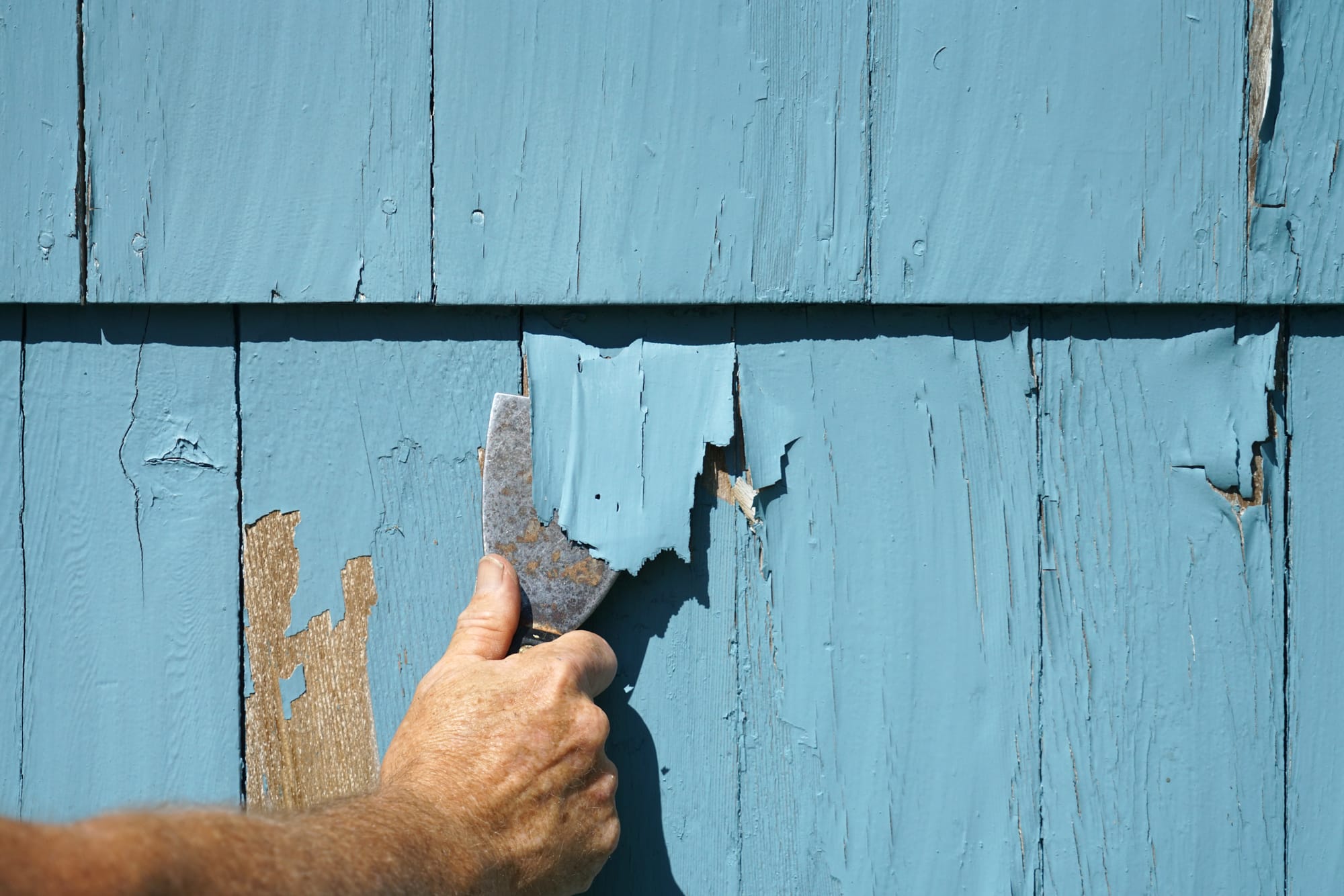
Peeling paint
Peeling paint is the big one.Buyers notice it fast because it is obvious. It also creates immediate concern around protection. Once paint is peeling, the surface underneath may be more exposed to moisture and weather.
Flag peeling paint on:
- wood siding
- fascia
- window trim
- door trim
- porch posts
- railings
- stair risers
- garage trim
- lower siding
- south or west-facing elevations
A little peeling can sometimes be repaired. Widespread peeling may point toward a larger exterior repaint conversation.
For sellers with visible peeling, send them toward exterior painting in Portland or a focused condition review before buyers start assigning their own scary price tag.
Exposed wood
Exposed wood is worse than faded paint.Faded paint says the coating is aging. Exposed wood says protection has already failed in that spot.
Buyers may not know exactly what they are seeing, but exposed wood almost always feels like deferred maintenance.Common exposed wood areas include:
- trim edges
- fascia ends
- porch railings
- stair details
- window sills
- door frames
- siding edges
- lower trim near landscaping
This should not be brushed off as “just paint.” That phrase has caused more bad seller advice than half the internet combined.
Failed caulk
Failed caulk around windows, trim, siding joints and doors can be a quiet red flag.
Buyers may not notice every caulk line, but inspectors often do. Failed caulk can also make the exterior look neglected in close-up walkthroughs.Watch for:
- cracked caulk
- open joints
- gaps around trim
- separated caulk near windows
- missing caulk at siding transitions
- old hard caulk that no longer seals
- caulk pulling away from surfaces
In Portland, failed caulk can feel extra concerning because buyers connect gaps with moisture. Sometimes that concern is valid. Sometimes it is not. Either way, it is better to know before inspection.
For questionable areas, link sellers to paint failure help in Portland so the issue can be reviewed before it becomes buyer ammunition.
What exterior stains make buyers nervous?
Exterior staining can be tricky because not every stain means disaster. But buyers do not always know that.
Mildew and moss staining
Portland homes deal with shade, trees, wet seasons and organic growth. Mildew or moss staining can make a home look damp, neglected or poorly maintained.
Common areas:
- north-facing walls
- shaded siding
- lower siding near shrubs
- porch ceilings
- fascia near gutters
- trim near damp landscaping
- stair and railing areas
Sometimes cleaning solves the issue. Sometimes the staining is tied to coating failure or moisture exposure. The trick is not guessing in front of the seller like you are reading tea leaves off a cedar shingle.
Water stains
Water stains near rooflines, windows, trim joints or lower siding can raise bigger concerns.
Buyers may wonder about:
- gutter issues
- roof runoff
- failed flashing
- moisture intrusion
- siding deterioration
- window leaks
A stain may be old and inactive. It may also point to a real problem. Either way, sellers should know before the buyer’s inspector gets a dramatic little clipboard involved.
Rust or metal staining
Rust stains near fasteners, railings, flashing, vents or metal fixtures can also make buyers nervous.
These may show up as:
- orange streaks
- rust bleed through paint
- stained fasteners
- discolored metal trim
- railing corrosion
Rust does not always mean the house is in trouble, but it does make surfaces look poorly maintained.
Why does bubbling or blistering paint matter before listing?
Bubbling paint can scare buyers because it looks like trapped moisture.
That is not always the cause, but buyers do not care about technical nuance when they are standing in the driveway imagining repair bills.
Bubbling or blistering may happen near:
- lower siding
- shaded walls
- trim joints
- window areas
- railings
- porch ceilings
- areas with poor previous prep
- surfaces painted under bad conditions
Bubbling paint should be reviewed before listing because it raises the question buyers hate most:
“Is this just cosmetic, or is something happening underneath?”
For sellers, unanswered questions are expensive. A clear explanation is cheaper than letting buyers create their own horror movie.
How do faded and chalky exteriors affect buyer confidence?
Faded paint usually does not scare buyers as much as peeling paint, but it can still hurt the listing.
Fading and chalking make the home feel older, tired and less maintained.
Chalking is that powdery residue you may see when rubbing the paint surface. It often shows up as exterior coatings age and break down under weather exposure.
Buyers may not know the term. They just see:
- dull siding
- washed-out color
- uneven exterior finish
- faded trim
- weak curb appeal
- a house that looks “due”
For listings, faded paint matters most when the home is competing against cleaner-looking properties nearby. The buyer may not reject the home over faded paint alone, but it can lower emotional confidence.
That matters because buyers pay stronger when they feel confident.
Exterior paint red flag table for Realtors
Use this during listing prep walkthroughs.
| Exterior Issue | Buyer Reaction | Listing Risk | Best Next Step |
| Peeling paint | “This house needs work.” | High | Review before photos or inspection |
| Exposed wood | “Is this damaged?” | High | Get painter input quickly |
| Failed caulk | “Could water get in?” | High | Review around windows and trim |
| Mildew / moss staining | “This home feels damp.” | Medium | Clean or inspect depending on severity |
| Bubbling paint | “Moisture problem?” | High | Do not ignore before listing |
| Faded paint | “Looks tired.” | Medium | Consider curb appeal repaint or touch-up |
| Bad touch-ups | “This was patched cheaply.” | Medium | Repaint clean sections if visible |
| Soft trim | “Possible rot.” | High | Needs evaluation before listing |
| Chalking | “Exterior is aging.” | Medium | Consider repaint planning |
| Rust staining | “Poor maintenance.” | Medium | Review source and paint system |
Which exterior issues affect listing photos the most?
Photos usually punish the front-facing issues first.
Before photography, Realtors should check:
- front door
- entry trim
- porch railings
- visible fascia
- curb-facing siding
- garage trim
- shutters
- window trim
- stair risers
- side yard gates if visible
- front porch ceiling
- exterior color consistency
A house can look fine from the street and still look rough in photos if the entry has chipped trim, a faded door or peeling details.
That matters because online listing photos are the first showing.
A buyer may never schedule a tour if the exterior photos quietly say, “Bring money and emotional endurance.”
What exterior issues affect inspections and negotiations?
Inspection-related paint concerns usually involve protection, moisture and substrate condition.
Realtors should be more cautious with:
- peeling paint on older wood siding
- exposed wood
- failed caulk around windows
- paint failure near gutters
- soft trim
- water stains
- bubbling paint
- cracked siding transitions
- failing porch rails or stairs
- paint failure close to soil or landscaping
These issues can turn into negotiation points because buyers may request repairs, credits or price reductions.
A seller does not need to solve every exterior issue before listing. But they should know which ones could become leverage for the buyer.
For bigger exterior concerns, the seller should request a painting estimate or send photos for review before listing.
Want my free Exterior Paint Red Flag Checklist for Realtors?
Use this downloadable asset during seller walkthroughs, listing prep conversations and exterior photo-day checks.
It includes:
- exterior paint red flags buyers notice fast
- a green / yellow / red Realtor scoring system
- seller conversation scripts
- must-review-before-listing issues
- photo-day exterior punch list
Download the asset here:
Download the free Exterior Paint Red Flag Checklist for Realtors
How should Realtors talk to sellers about exterior paint issues?
Keep it practical. Do not make the seller feel like their house is falling apart unless it actually is.
Bad framing:
“The exterior looks bad.”
Better framing:
“Some exterior paint areas may raise maintenance questions for buyers. Let’s review those before photos or inspection.”
Bad framing:
“You need to repaint the whole house.”
Better framing:
“We may not need a full repaint, but these visible areas could affect buyer confidence.”
Bad framing:
“This is probably water damage.”
Better framing:
“This could be cosmetic, but it is worth having a painter look before buyers or inspectors make assumptions.”
Bad framing:
“Just touch it up.”
Better framing:
“Touch-ups may flash or make it look patchy. Let’s find out whether this needs spot repair or a cleaner section repaint.”
The goal is not to scare the seller. The goal is to prevent the buyer from being the first person to make the issue sound scary.
In Our Experience
Exterior paint issues become listing problems when nobody explains them before the buyer does. A little peeling trim may be manageable. Exposed wood or bubbling near a wet area may need a closer look. The best pre-listing move is not panic painting. It is identifying what is cosmetic, what is risky and what could become negotiation leverage.
Should sellers fix exterior paint issues or disclose them?
That depends on severity, timing, budget and the listing strategy.
Some exterior paint issues should be fixed before listing because they are highly visible and likely to affect buyer confidence.
Others may be better handled through pricing strategy, disclosure or negotiation planning.
Fix before listing when:
- the issue is visible in photos
- the entry looks neglected
- peeling paint is obvious
- exposed wood is present
- caulk failure is near windows or doors
- the issue could become an inspection concern
- the cost is reasonable compared with the likely buyer objection
Review before deciding when:
- the issue may be moisture-related
- bubbling is present
- trim looks soft
- there are stains near rooflines or windows
- the seller is unsure whether a full repaint is needed
Usually skip for now when:
- the issue is minor
- it is not visible in photos
- it does not affect buyer-facing areas
- the buyer is likely to remodel or repaint anyway
- fixing it would create a bigger timeline problem
This is where Lightmen Painting projects and Lightmen Painting reviews help sellers feel more comfortable getting a professional opinion instead of guessing.
How do exterior paint issues connect to curb appeal?
Curb appeal is not just color. It is condition.
A home can have a nice color palette and still feel neglected if the trim is peeling, the door is chipped or the porch railings look tired.
Exterior paint affects curb appeal through:
- color
- cleanliness
- trim sharpness
- door condition
- siding consistency
- porch details
- entry confidence
- perceived maintenance
That last one is the big one.Buyers may not know why one home feels better cared for than another. They just feel it.
Fresh, clean, maintained exterior surfaces tell buyers the seller has been paying attention. Failed exterior paint tells buyers to start hunting for discounts.
For listings that need curb appeal help beyond minor touch-ups, exterior painting in Portland is the natural money-page path.
What if the seller cannot afford full exterior painting?
Then prioritize the buyer-facing risks first.
A tight seller budget does not mean “do nothing.” It means the scope needs discipline.
First priority: obvious failure
Handle the paint issues most likely to scare buyers:
- peeling trim
- exposed wood
- failed caulk
- bubbling paint
- visible mildew staining
- front entry damage
Second priority: photo-facing surfaces
Focus on what buyers see online:
- front elevation
- front door
- porch
- window trim
- garage trim
- curb-facing siding
Third priority: inspection-sensitive areas
Review areas likely to show up later:
- fascia
- window trim
- lower siding
- trim near gutters
- railings
- stair details
Fourth priority: pure cosmetics
Only after the scary stuff is handled should sellers worry about color refreshes or minor aesthetic improvements.
This is where a Portland painting contractor can help separate urgent from optional without turning every seller meeting into a full exterior repaint pitch.
How can Realtors spot paint problems during a walkthrough?
Use a simple loop.
Start at the street, then move closer.
From the curb
Look for:
- faded siding
- uneven color
- peeling trim
- dirty entry
- stained fascia
- worn front door
- general neglect
At the entry
Look for:
- chipped door paint
- worn threshold
- peeling jambs
- cracked trim caulk
- porch railing wear
- stair riser damage
Around the sides
Look for:
- shaded mildew
- bubbling paint
- lower siding issues
- exposed trim edges
- moisture stains
- failed caulk around windows
Near rooflines and gutters
Look for:
- stained fascia
- peeling soffits
- paint failure below gutters
- soft-looking trim
- repeated water streaks
Around landscaping
Look for:
- plants touching siding
- damp lower boards
- soil too close to painted surfaces
- peeling near shrubs
- mildew staining
How do exterior paint issues compare with interior paint issues?
Exterior paint issues usually create more fear. Interior paint issues usually create more aesthetic resistance.
Both matter. They just affect the sale differently.
| Paint Issue Type | Buyer Concern | Common Result | Best Page to Link |
| Interior scuffs | Home feels worn | Lower emotional appeal | Interior painting |
| Loud interior colors | Buyer sees repaint work | Lower photo performance | Interior color guide |
| Peeling exterior paint | Maintenance concern | Inspection or negotiation risk | Paint failure / exterior painting |
| Exposed wood | Possible deterioration | Repair concern | Paint failure |
| Dated cabinets | Kitchen feels old | Buyer sees upgrade cost | Cabinet painting |
| Bad touch-ups | Cheap prep impression | Lower confidence | Fast touch-up guide |
This article focuses on exterior issues, but the larger Realtor cluster should move readers between exterior, interior and cabinet decisions naturally.
That is how the whole section becomes a real resource instead of a pile of lonely blog posts eating crackers in the corner.
What this means for Portland sellers and agents
Exterior paint issues can scare buyers because they do not look like simple cosmetic flaws. They look like maintenance risk, moisture risk, inspection risk and future cost.
For Portland Realtors, the win is catching those issues before listing photos, showings and inspections. Sellers may not need a full exterior repaint, but they do need a clear plan for visible peeling, exposed wood, failed caulk, mildew staining, bubbling paint or exterior surfaces that make the home feel neglected.
Lightmen Painting helps Portland-area agents and sellers review exterior paint issues, pre-listing paint needs, curb appeal improvements and paint failure concerns before the market starts judging. Start with Realtor painting support in Portland or request a painting estimate.
People Also Ask
What exterior paint issues scare buyers away?
Peeling paint, exposed wood, failed caulk, bubbling, mildew staining, soft trim and obvious DIY touch-ups can scare buyers away because they suggest deferred maintenance. Buyers may worry about moisture, siding damage and future repair costs.
Should sellers fix peeling exterior paint before listing?
Sellers should fix or review peeling exterior paint before listing when it is visible from the curb, near the entry, appears in photos or could raise inspection concerns. Minor hidden peeling may not matter as much, but buyer-facing failure needs a plan.
Can exterior paint problems affect home value?
Exterior paint problems can affect buyer confidence, curb appeal and negotiation strength. Even when the issue is cosmetic, buyers may treat it like future repair cost. Visible exterior failure can make a home feel less maintained.
Definitions
- Exterior paint issues that can scare buyers away: Visible exterior paint problems that create buyer concern before or during a home sale.
- Paint failure: Peeling, bubbling, cracking or adhesion loss in a painted surface.
- Peeling paint: Paint that has lifted or separated from the surface.
- Exposed wood: Bare wood no longer protected by paint or coating.
- Failed caulk: Cracked, missing or separated sealant around joints and trim.
- Bubbling paint: Raised paint blisters that may suggest moisture or adhesion problems.
- Mildew staining: Dark or organic staining often found on shaded or damp exterior surfaces.
- Chalking: Powdery paint residue caused by exterior coating breakdown.
- Curb appeal: The visual impression a home makes from the street.
- Inspection concern: A condition likely to be noted or questioned during a home inspection.
- Negotiation risk: An issue buyers may use to request repairs, credits or a lower price.
- Pre-listing exterior review: A paint-focused review before a home is listed for sale.
Exterior paint issues that can scare buyers away include peeling paint, bubbling paint, exposed wood, failed caulking, mildew staining, chalking, faded exterior paint, soft trim and bad exterior touch-ups. Portland Realtors and listing agents should watch for these exterior paint problems before listing because buyers may connect visible paint failure with moisture damage, deferred maintenance, siding problems and inspection risk. A seller may not need full exterior painting before listing, but obvious buyer-facing paint failure should be reviewed before photos, showings or inspections. Lightmen Painting provides Realtor painting support in Portland, exterior painting, paint failure help, pre-listing painting estimates and curb appeal painting guidance for sellers preparing homes for market.