Pre-Listing Painting Checklist for Portland Realtors
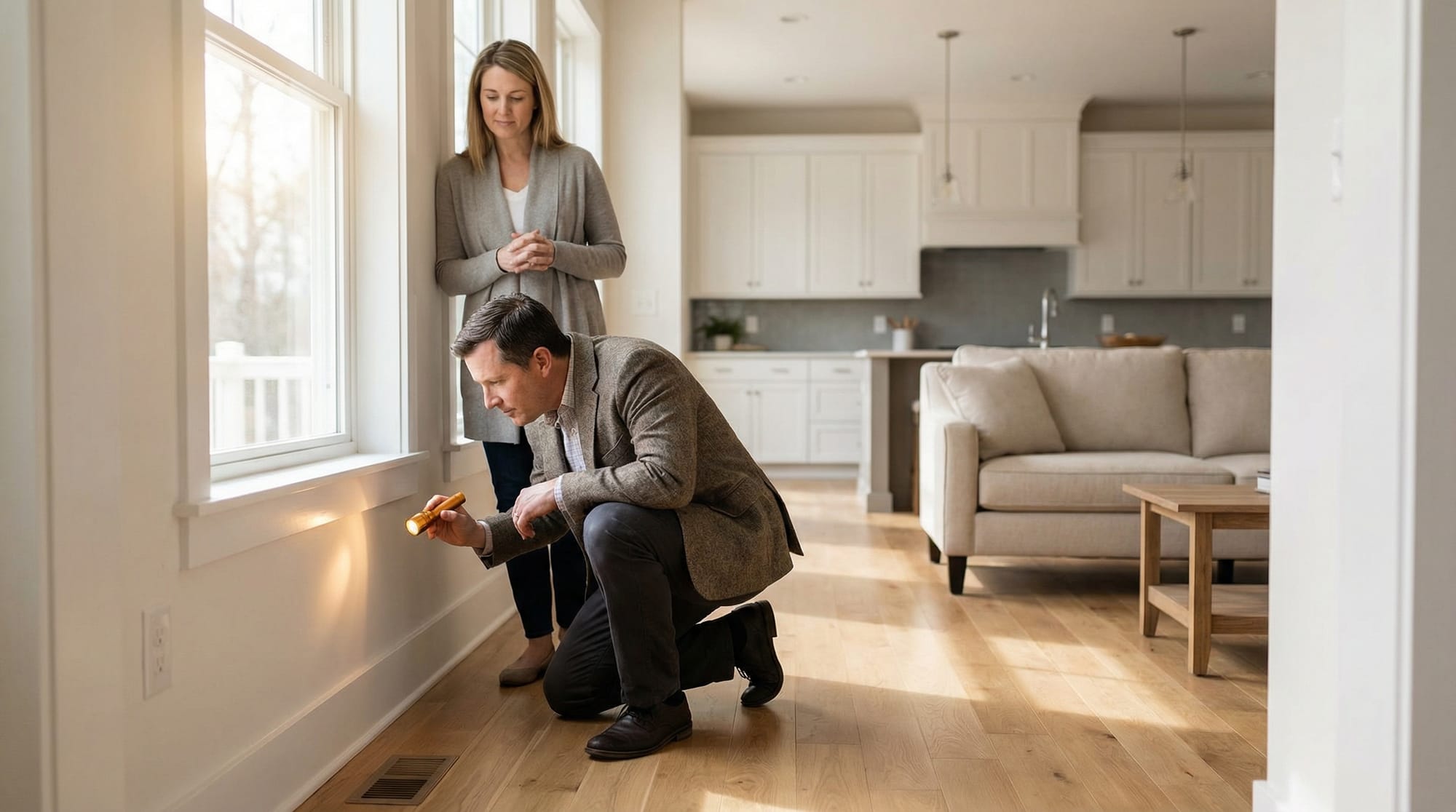
Key Features
- Helps Realtors prioritize paint work before photos, showings and inspections.
- Separates must-do paint issues from seller money-wasters.
- Connects listing prep to interior, exterior, cabinet, paint failure and estimate paths.
Pre-listing painting is not about making every house perfect. That is how sellers blow money trying to turn a normal home into a museum nobody asked for.
The real goal is simpler: help the home show better, photograph better and feel better-maintained before buyers start hunting for reasons to discount it.
For Portland Realtors, this matters because paint issues show up fast in listing photos, walkthroughs, inspection conversations and buyer psychology. Scuffed walls, yellowed trim, tired cabinets, peeling exterior paint, stained ceilings and bad DIY touch-ups all send the same quiet message: “This house may have more problems hiding behind the curtain.”
That may not be fair. Buyers are not always fair. They are walking through a house making emotional decisions with a calculator in their back pocket.
We look at pre-listing painting differently than a normal repaint. The question is not always, “What can we paint?” The better question is, “What paint work will actually help this listing, and what is just seller panic wearing a fresh coat of eggshell?”
That is what this guide is built for.
Things to Know
- Paint work before listing should support buyer confidence, not perfection.
- Bad touch-ups can look worse than the original wall damage.
- Exterior paint failure can trigger inspection and negotiation concerns.
- Cabinets are worth reviewing when the kitchen feels dated but structurally solid.
- The front entry and main living areas usually deserve attention first.
Quick Answer for Realtors
Before listing a Portland home, focus paint work on the areas buyers notice fastest:
- Front entry, exterior trim and curb-facing paint issues
- Main living areas, hallways and high-touch walls
- Trim, doors and baseboards with visible wear
- Kitchen cabinets when they make the home feel dated
- Bathrooms with moisture stains, peeling paint or ugly color choices
- Paint failure signs that may trigger inspection concerns
- Photo-day touch-ups that make rooms look cleaner online
Skip repainting low-impact rooms, hidden areas or surfaces that will not affect photos, showings, buyer confidence or negotiation strength.
Why should Portland Realtors care about paint before listing?
Because buyers do not evaluate paint like contractors. They evaluate it like nervous shoppers.
A seller may see “a few scuffs.” A buyer sees:
- deferred maintenance
- possible water issues
- poor care
- bad DIY work
- future expense
- a reason to lower the offer
That is why painting can be one of the cleanest pre-listing improvements. It is visible. It photographs well. It changes how a home feels quickly. And when the scope is smart, it can cost less than the first price reduction.
For Realtors, this is where the value is. You are not just recommending paint. You are helping the seller protect the listing from avoidable objections.
For bigger listing-prep situations, agents can point sellers toward Lightmen’s realtor painting support in Portland so the scope can be reviewed before anyone starts throwing money at the wrong walls.
What should be painted before listing a home?
Start with what buyers see first, then move into the rooms that influence emotion and perceived value.
1. The front entry and curb-facing exterior
The front entry is the buyer’s first close-up moment.
Paint problems here hit harder than sellers think:
- peeling trim
- dirty front door
- chipped jambs
- cracked caulk
- faded porch details
- mildew near shaded siding
- worn stair risers or railings
If the outside looks neglected before the lockbox even opens, the buyer walks in looking for more problems. That is not where you want their head.
For homes with obvious exterior wear, sellers should consider a professional exterior painting in Portland review before listing. Portland weather does not play nice with failing paint, and buyers notice peeling, bubbling and exposed wood fast.
2. Main living areas
Living rooms, dining rooms, open kitchens and entry halls usually matter more than bedrooms.
These spaces drive first impressions and listing photos. If walls are scuffed, patched poorly, dark, dated or color-heavy, repainting can make the home feel cleaner and more move-in ready.
Good pre-listing paint colors are usually:
- warm white
- soft greige
- light taupe
- muted off-white
- clean neutral beige
- soft warm gray, when the home can handle it
The goal is not “boring.” The goal is buyer-safe.
3. Trim, doors and baseboards
Sellers love to focus on walls. Buyers often notice trim.
Beat-up trim makes a house feel tired even if the wall color is fine. Watch for:
- chipped door frames
- dirty baseboards
- yellowed white trim
- worn handrail paint
- scuffed hallway corners
- damaged bathroom trim
- mismatched touch-up paint
Interior trim work can be tedious, but it has a big effect on perceived cleanliness. For listings where the interior needs more than a quick patch-and-roll, sellers can start with professional interior painting instead of trying to DIY it during listing week. That is how chaos gets invited to the party.
4. Kitchens and cabinets
Cabinets can make or break buyer perception.
If the kitchen is dated but structurally fine, cabinet painting may be one of the strongest pre-sale upgrades. It can make the room feel newer without the cost of replacement.
Cabinet painting before listing makes sense when:
- cabinets are solid but dated
- the finish is yellowed or worn
- the color hurts the listing photos
- hardware is being updated
- the kitchen feels darker than it should
- replacement would be overkill
It does not make sense when cabinets are damaged, failing, delaminating or cheap boxes that need replacement anyway.
For sellers weighing the decision, point them to cabinet refinishing in Portland for a realistic look at whether painting is worth it before listing.
What should sellers not waste money painting?
This is where agents can save sellers from themselves.
Some sellers get pre-listing fever and suddenly want to paint everything, replace half the house and schedule four contractors in the same week. Fun idea if your hobby is lighting money on fire.
Usually, sellers should avoid spending heavily on:
- closets that photograph poorly or barely matter
- garages unless they are truly rough
- unfinished utility areas
- rooms with acceptable neutral paint
- areas likely to be remodeled by the buyer
- tiny touch-ups that will flash worse than the original scuff
- exterior areas not visible or not condition-critical
The point is not to avoid paint. The point is to paint with intent.
A good pre-listing scope should separate:
| Paint Area | Seller Priority | Why It Matters | Usually Worth It? |
| Front door and entry trim | High | First impression and curb appeal | Yes |
| Main living walls | High | Photos, showings, buyer emotion | Yes |
| Bedrooms | Medium | Depends on color and condition | Sometimes |
| Cabinets | High if dated | Kitchen value perception | Often |
| Garage walls | Low | Rarely changes buyer emotion | Usually no |
| Closets | Low | Low photo/showing impact | Usually no |
| Peeling exterior trim | High | Inspection and maintenance concern | Yes |
| Random tiny touch-ups | Medium | Can flash if matched poorly | Depends |
What exterior paint issues scare buyers away?
Exterior paint problems feel bigger than interior scuffs because buyers connect them to maintenance, moisture and repair costs.
In Portland, this is especially important. Rain, shaded siding, moss, mildew and older wood trim can turn small paint problems into bigger concerns.
Realtors should watch for:
- peeling paint on siding or trim
- bubbling paint after wet weather
- exposed wood
- failing caulk around windows
- dark mildew staining
- soft trim
- cracked paint at joints
- blistering near lower siding
- stained fascia
- paint failure on railings, stairs or porches
These issues do not always mean the home is in bad shape. But they do raise questions.
When sellers have visible peeling, bubbling, cracking or staining, link them toward a paint failure inspection before listing. It is better to know what the issue is before buyers and inspectors start making guesses.
What interior paint issues hurt listing photos?
Interior paint problems are brutal in photos because cameras love making flaws look worse.
Before photography, walk the home looking for:
- shiny touch-up spots
- scuffed hallway walls
- dark accent walls
- stained ceilings
- chipped door trim
- patched drywall that was never painted correctly
- nail holes around gallery walls
- kids’ room colors that dominate the listing
- bathroom paint peeling near showers
- kitchen wall grease or discoloration
The worst offender is usually bad touch-up work. A seller thinks they are helping. Then the photos come back and every patch looks like a crime scene under natural light.
If the wall has multiple touch-ups, repaint the wall corner-to-corner. Spot painting only works when the paint, sheen, age and wall texture cooperate. They often do not, because paint is petty like that.
Where should Realtors use the free checklist?
Use it during the first listing walkthrough.
The best timing is before the seller starts spending money, not after they already hired someone cheap, painted the wrong rooms and created more work.
Add the checklist to your listing prep process:
- Walk the exterior first.
- Flag curb-facing paint issues.
- Check main living spaces.
- Look closely at trim and doors.
- Review kitchen cabinets.
- Check bathrooms for stains or peeling.
- Separate must-do, nice-to-do and skip.
- Send photos to a painter if the scope is unclear.
Want the actual printable version?
Download the free Pre-Listing Paint Checklist for Portland Realtors:
This is designed so agents can save it, copy it into a Google Doc, share it with sellers or use it internally before photos and showings.
How should Realtors prioritize paint when sellers have a tight budget?
Budget changes the conversation.
When sellers cannot paint everything, use this order:
Priority 1: Anything that creates buyer fear
This includes peeling exterior paint, water stains, visible mildew, failed caulk, bubbling paint, stained ceilings and damaged trim.
Fear costs more than ugliness.
A dated color might annoy a buyer. A stain or peeling exterior might make them wonder what else is wrong.
Priority 2: Anything that affects listing photos
Photos are the first showing. Bad paint in photos reduces clicks, and fewer clicks means fewer showings.
Focus on:
- living room
- kitchen
- entry
- dining area
- primary bedroom
- exterior front elevation
Priority 3: Anything that makes the home feel dirty
Scuffed walls, grimy doors and yellowed trim can make a clean home feel poorly maintained.
That is an easy perception problem to fix.
Priority 4: Optional upgrades
Cabinet painting, full interior repaints and larger exterior projects can be excellent, but only when they fit the listing strategy, timeline and price point.
If the seller is unsure, they can request a painting estimate and make the decision with real numbers instead of panic math.
When should Realtors bring in a professional painter?
Bring in a painter when the paint issue could affect price, timing, inspection confidence or photos.
A professional review makes sense when:
- the seller wants to list within 30 days
- multiple rooms need repainting
- cabinets are dated
- exterior paint is peeling
- trim is visibly worn
- there are moisture stains
- the seller is considering a price reduction
- the agent needs a fast, practical scope
- the home needs buyer-safe colors
For agents who send repeat referrals, it helps to have a consistent partner who understands listing urgency and seller budgets. That is exactly where Lightmen’s real estate painting partner support fits.
The goal is not to oversell every seller into a full repaint. The goal is to give the seller the right scope for the listing.
What should Realtors ask before referring a painter?
Before you send a painter to a seller, ask questions that protect the client and your relationship.
Good questions include:
- Do you understand pre-listing timelines?
- Can you help separate must-do from optional work?
- Can you work from photos for an early scope review?
- Do you handle interiors, exteriors and cabinets?
- Can you identify paint failure issues before listing?
- Are you licensed, bonded and insured?
- Can you communicate clearly with sellers?
- Do you provide written estimates?
- Can you work around photo dates and open houses?
- Do you have reviews and project examples?
You can send sellers to Lightmen Painting reviews or recent project examples when they need trust proof before scheduling.
That small step can prevent the dreaded “my agent referred a guy and now my house is half-painted two days before photos” disaster. Nobody needs that episode.
Pre-listing paint walkthrough checklist
Use this quick version during the listing walkthrough.
Exterior
- Front door looks clean and intentional
- Entry trim is not chipped or peeling
- Siding does not show obvious peeling
- Caulk around windows is not visibly failed
- Porch railings or stairs are not heavily worn
- No mildew streaks near buyer-facing areas
- Exterior colors do not hurt curb appeal
Interior
- Main living walls are neutral and clean
- Hallways do not show heavy scuffing
- Trim and doors are not beat up
- Bathroom paint is not peeling or stained
- Kitchen walls look clean
- Bedrooms do not have extreme colors
- Ceilings do not show stains
- Touch-ups do not flash under light
Cabinets
- Cabinet color does not date the kitchen badly
- Finish is not peeling or sticky
- Doors and drawers are aligned well enough to justify painting
- Hardware updates would pair well with repainting
- The cabinet boxes are solid
Listing readiness
- Paint work can be completed before photos
- The seller has a realistic budget
- The scope supports the listing price
- The paint plan reduces buyer objections
- The agent has a clean handoff path for estimates
In Our Experience
At Lightmen Painting, the best pre-listing paint scopes are focused and practical. The projects that help listings most are usually the ones that clean up first impressions, reduce buyer objections and avoid obvious maintenance red flags. The bad ones are the panic projects where everyone tries to repaint the whole house three days before photos. That is not a strategy. That is a caffeine-fueled hostage situation with rollers.
What this means for Portland sellers and agents
A pre-listing paint plan should make the home feel cleaner, better cared for and easier for buyers to say yes to. It should not turn into a bloated renovation plan that eats the seller’s equity before the sign goes in the yard.
For Portland Realtors, the best move is to use a simple checklist, flag the highest-impact areas, then bring in a painter when the decision affects photos, buyer confidence, inspection risk or listing strategy.
Lightmen Painting helps Portland-area agents and sellers plan practical pre-listing paint work across interiors, exteriors, cabinets and paint failure concerns. For help with a listing, start here: schedule a painting estimate or reach out through Lightmen Painting contact.
People Also Ask
Should sellers paint before listing a home?
Sellers should paint before listing when visible wear, dated colors, peeling paint or bad touch-ups could hurt photos, showings or buyer confidence. A full repaint is not always necessary. The best approach is to prioritize high-impact areas first.
What paint colors help a home sell faster?
Warm whites, soft greige, light taupe and clean neutral colors usually help homes show better because they photograph well and appeal to more buyers. Strong personal colors can work in some homes, but they create more risk before listing.
Is cabinet painting worth it before selling?
Cabinet painting can be worth it before selling when the cabinets are solid but dated. It is usually most valuable when the kitchen is a major visual weakness and replacement would cost too much for the seller’s timeline.
Definitions
- Pre-listing painting: Paint work completed before a home goes on the market.
- Listing prep: Improvements made before photography, showings and open houses.
- Curb appeal: How attractive the home looks from the street.
- Paint failure: Peeling, bubbling, cracking or adhesion problems in painted surfaces.
- Touch-up painting: Small paint repairs meant to cover scuffs, chips or marks.
- Flashing: Uneven sheen or visible patchiness after paint touch-ups.
- Buyer perception: How buyers emotionally judge the home’s condition.
- Neutral paint colors: Buyer-friendly colors that appeal to a wide audience.
- Cabinet refinishing: Painting or coating existing cabinets instead of replacing them.
- Exterior Condition Report: A review of exterior paint and surface condition before repaint planning.
- Pre-sale painting: Painting done specifically to support resale.
- Painting estimate: A written price and scope for paint work.
A pre-listing painting checklist for Portland Realtors helps agents, sellers and listing teams decide what paint work should happen before photos, showings, inspections and open houses. Pre-listing painting in Portland often includes interior painting, exterior painting, cabinet refinishing, trim painting, front entry touch-ups, curb appeal painting and paint failure review. Realtors working with sellers should prioritize paint projects that improve buyer perception, reduce inspection concerns and help the home photograph better. Lightmen Painting supports Portland-area real estate professionals with realtor painting support, listing prep painting, interior painting, exterior painting, cabinet painting, paint failure diagnosis, project examples, reviews and estimate scheduling.