KEY FEATURES
- Built around active operations-This page focuses on traffic, loading, access, and staging instead of pretending warehouse repainting is just big walls and no nuance.
- Flex-space aware-It covers the overlap between industrial function and office/frontage visibility, which is where many Portland warehouse properties actually live.
- Tied to real Lightmen support pages-It connects to the live commercial hub, estimate page, process page, reviews page, and about page.
A lot of people hear “warehouse painting” and assume the job should be simple.Big walls. Big doors. Fewer feelings. Easy, right?
Not really.
Active warehouse and flex properties come with their own version of pain: truck routes, loading areas, active personnel, safety expectations, access conflicts, operational timing, and the very real fact that a repaint should not make the building harder to use than the faded exterior already does. That is what makes warehouse painting in Portland different from generic commercial repainting. The property is usually still moving while the work is happening, and if the repaint plan ignores traffic flow, dock access, exterior staging, or daily reset, the paint job turns into an operations headache real fast.
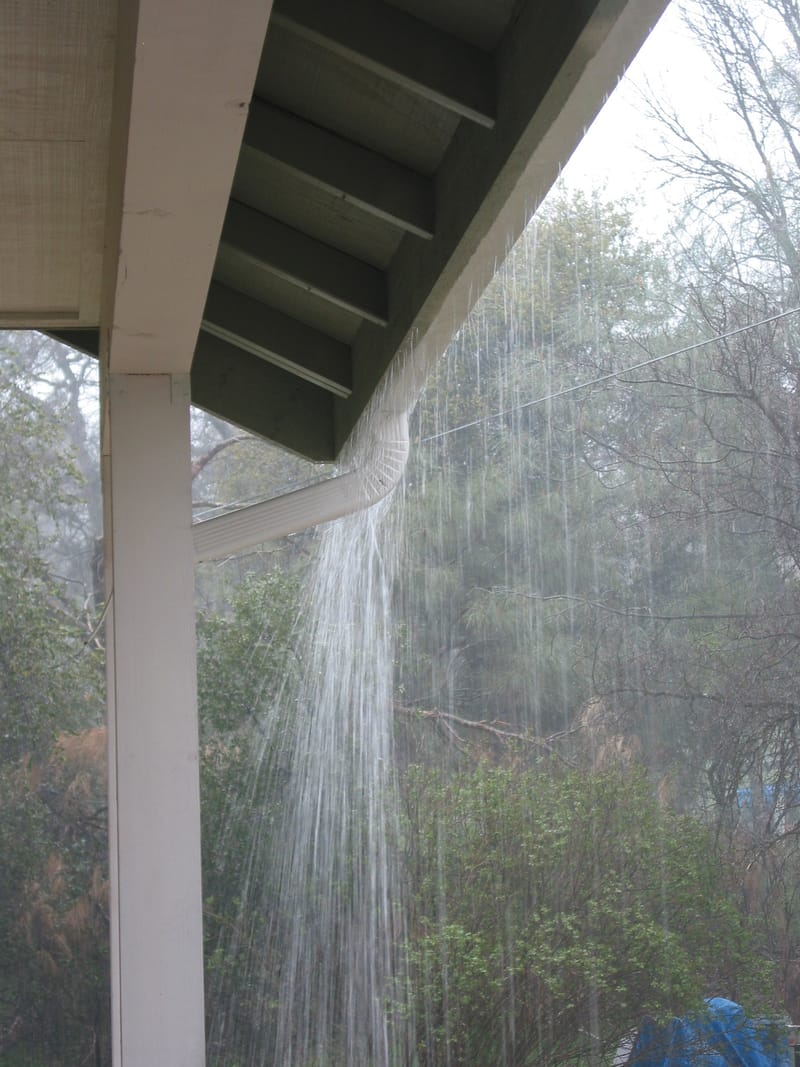
Portland adds its own timing pressure. The local climate summary from the National Weather Service shows that nearly 90 percent of annual rainfall falls between mid-October and mid-May, with the driest conditions concentrated in July and August. That means exterior warehouse repaint planning gets punished when owners wait too long and try to squeeze active-site work into a crowded weather window.
THINGS TO KNOW
- Active warehouse repaint jobs fail operationally before they fail cosmetically.
- Portland’s dry exterior window is valuable and gets crowded.
- Some warehouse properties still need strong front-office or customer-facing presentation.
- Phased warehouse repainting can be smarter than forcing one big full-site push.
- Bid comparisons are useless if the site-access assumptions are vague.
If you have not read the cluster hub yet, start with Commercial Real Estate Painting Portland: Repaint Planning for Brokers, Owners & Asset Managers. If the bigger issue is exterior staging and access, pair this page with Commercial Exterior Painting Portland: How to Plan Repaints Without Killing Access or Curb Appeal. This page is the warehouse-specific lane.
Why does warehouse painting need a different plan than office or retail painting?
Because warehouses are judged less by polish and more by control.A retail repaint gets judged by visibility, storefront feel, and customer impression.
An office repaint gets judged by tours, reception, and occupied-space disruption.
A warehouse repaint gets judged by whether the building can still function while the work is happening.That means the key questions shift toward:
- can trucks still move
- can loading stay open
- can personnel still circulate safely
- can staging stay tight
- can the repaint improve the building without creating a traffic nightmare
This is still part of the broader commercial painting Portland conversation, but it is not the same operational puzzle as office or retail work. Lightmen’s live commercial hub is already positioned around commercial painting in Portland, and this page gives that topic a more industrial and flex-space-specific branch.
What kinds of warehouse repaint jobs are we really talking about?
Usually one of these:
1. Exterior warehouse repaint
This is the most common version:
- faded wall fields
- weather-hit entries
- beat-up man doors
- rough trim and dock-adjacent surfaces
- older coatings showing age or failure
2. Active flex-space refresh
This can involve:
- mixed industrial / office frontage
- shared exterior approaches
- customer-facing front entries with more industrial rear zones
- selective repainting that supports leasing or repositioning
3. Failure-driven repaint planning
Sometimes the question is not “paint it now.” Sometimes the first move is “
diagnose what’s going wrong before we bid nonsense.”
That is why Paint Failure Inspection Portland belongs in this cluster.
4. Repaint planning around active operations
This is the real heart of the warehouse category:
- repaint while the site keeps moving
- repaint without wrecking access
- repaint without turning staging into a safety problem
What parts of a warehouse property usually matter most?
Not every warehouse surface carries the same value.
The highest-impact areas are often:
- front-facing elevations
- loading-adjacent zones
- personnel-entry doors
- dock surrounds
- weather-hit trim and edges
- client-facing office frontage if the site has one
- high-visibility access routes
- signage-adjacent surfaces
Owners sometimes assume they need to repaint the entire box because the whole building exists. Sometimes that is correct. Sometimes the real move is a targeted plan that cleans up the areas doing the most visual and operational damage first.
If the asset is more mixed-use or flex-office than pure industrial, that is where Retail & Office Painting Portland may overlap a bit with this page.
What usually causes the most disruption during a warehouse repaint?
Not the paint. The footprint.
Disruption usually comes from:
- too many active work zones at once
- staging that spills into loading or truck movement
- blocked man-door access
- poor sequencing around docks
- no clear route planning
- equipment sitting longer than needed
- weak communication with site users
- a site that looks and behaves like nobody mapped the workflow first
How should a warehouse repaint be sequenced?
Tightly and in zones.A good warehouse repaint usually follows this logic:
Step 1: Define the active operational routes
Know where trucks, employees, and deliveries must move before the first ladder shows up.
Step 2: Rank the visible and vulnerable surfaces
Not every elevation or entry deserves the same urgency.
Step 3: Break the project into manageable work zones
That might mean:
- one elevation at a time
- front first, rear later
- dock-adjacent sequence
- office-facing frontage separate from industrial rear zones
Step 4: Stage equipment where it does not interfere with core use
Simple. Rarely done as well as it should be.
Step 5: Reset daily
If the site still feels like a work zone after the day ends, the repaint starts feeling like operational drag instead of controlled improvement.For the broader exterior logic behind that sequencing, this page should link hard to Commercial Exterior Painting Portland.
How does Portland weather affect warehouse repaint timing?
A lot more than owners like to admit.Because warehouse exteriors are often big, exposed, and operationally sensitive, they do not benefit from sloppy schedule optimism. The local climate data says nearly 90 percent of annual rainfall falls between mid-October and mid-May, while summer carries the driest conditions. That means the best exterior windows are both valuable and crowded.
Practical takeaway:
- inspect early
- plan early
- schedule before everybody else wants the same window
- do not treat “summer” like one giant open slot waiting just for your property
If timing is the real issue, route users to Best Time to Repaint a Portland Commercial Building.
When does a warehouse repaint need a full scope versus targeted work?
This is where owners either get smart or get expensive.
Full repaint usually makes sense when:
- the whole building is visibly aging
- coating wear is broad
- one-off corrections would look patchy
- the asset needs a stronger reset
- the maintenance story across the exterior is weak
Targeted work makes more sense when:
- the most visible frontage is the main problem
- dock or loading zones are aging differently than the rest
- man doors, trim, or office-front sections are dragging the site down
- the owner wants a phased maintenance plan instead of one big spend
That is why Commercial Paint Maintenance Plans for Portland CRE Portfolios should live close to this pillar. Some warehouse properties need a reset. Others need a smarter rhythm.
What if the warehouse also has office or client-facing space?
Then the repaint has two jobs:
- support the industrial side operationally
- support the office/frontage side visually
This is common in flex properties. The front office portion may need:
- better appearance
- cleaner tenant or client impression
- stronger entry sequence
- less visual fatigue
While the rear operational side may need:
- better maintenance optics
- more durable correction
- access-safe sequencing
- less interference with loading and movement
That is where this pillar naturally links into Commercial Interior Painting Portland and Retail & Office Painting Portland.
Mini case example: active flex warehouse, good plan vs bad plan
Say you have a Portland flex property with:
- tired front office exterior
- a weather-hit dock-side wall
- active loading
- daily staff entry through one main personnel door
Bad plan
- activate too much exterior at once
- stage equipment where it competes with loading
- leave access shifts unclear
- let the front office look half-closed for too long
- drag the job across too many visible surfaces at once
Better plan
- separate front-office-facing work from operational rear work
- phase the dock-adjacent zones intelligently
- protect the man-door route
- keep the active footprint smaller
- finish one visible zone cleanly before sprawling wider
Same property. Different amount of pain.
What mistakes waste the most money on warehouse repaint jobs?
1. Treating the site like it is empty
It usually is not.
2. Overactivating the footprint
This is the fastest way to turn paint work into a logistics problem.
3. Ignoring the front-office or client-facing side
Some warehouses still need to show well.
4. Waiting until failure spreads
Then the scope gets heavier and the schedule gets tighter.
5. Comparing bids before clarifying operational assumptions
A cheaper bid may just be pretending the site is easier than it is.
If the failure side is already in the mix, this page should connect directly to Commercial Exterior Paint Failure Portland and Paint Failure Inspection Portland.
What should a property team ask before approving a warehouse repaint scope?
Ask these directly:
- What routes stay open during the work?
- How wide will the active work zone get?
- How are you sequencing the loading and traffic-sensitive areas?
- What parts of the building matter most visually versus operationally?
- What surfaces can wait?
- Is this a full reset or a phased maintenance move?
- What weather window assumptions are built into the plan?
- What happens if the schedule shifts?
- Are we painting for function, appearance, or both?
- What are you assuming about site access that could change pricing?
Those questions usually tell you whether the contractor is planning a real project or just hoping the building cooperates.
IN OUR EXPERIENCE
At Lightmen Painting, the warehouse jobs that feel best are usually the ones where the property team already knows which routes, entries, and operational zones matter most before the repaint plan gets finalized. The rough jobs are the ones where everyone agrees the building looks tired, but nobody maps traffic, loading, or front-vs-rear priorities until the site is already half activated.
Warehouse repaint checklist
Strategy
- property goal defined
- front-facing vs operational zones separated
- full vs targeted scope clarified
- weather window reviewed
Access and operations
- truck routes identified
- loading impacts mapped
- man-door access protected
- equipment staging footprint controlled
- daily reset plan defined
Risk control
- visible failure inspected
- office/flex frontage evaluated
- operational assumptions clarified before pricing
- phased plan considered if helpful
Cheap industrial refresh vs controlled warehouse repaint vs overbuilt industrial campaign
| Approach | Cost now | Operational disruption | Result | Risk | Best for |
| Cheap vague refresh | Lower | Often messy | Mixed | High | Owners who want lower numbers and bigger surprises |
| Controlled warehouse repaint | Moderate to higher | Managed | Stronger | Lower | Active sites that still need to function while improving |
| Overbuilt industrial campaign | Highest | Heavier | Sometimes justified, sometimes wasteful | Medium | Sites where repositioning truly supports the spend |
Middle lane again. Funny how that keeps happening.
What live Lightmen pages already support this pillar?
These live Lightmen pages fit this branch right now:
They are all live now, and they give this pillar real conversion and trust support instead of made-up scaffolding.
Wrap-up: how do you repaint active industrial and flex space without making the property harder to use?
By treating the repaint like a route-and-sequencing problem first.
That means:
- protect movement
- control the active footprint
- separate visible frontage from operational zones
- plan around loading and personnel routes
- respect Portland’s weather window
- decide early whether the scope is full, targeted, or phased
That is how a warehouse repaint helps the site instead of stepping on it.
If you need to repaint an active warehouse or flex property without turning the site into a traffic and staging headache, Lightmen Painting can help you sort the sequence before the project starts stepping on operations.
PEOPLE ALSO ASK
Can you paint a warehouse while it is still operating?
Yes, but the repaint has to be sequenced around loading, staff routes, access points, and a tightly controlled work footprint.
What is the best time to repaint a warehouse exterior in Portland?
Usually during the drier exterior window, but the smart move is planning early before that calendar gets crowded.
Should a warehouse repaint be phased?
Often yes, especially when the property is active, the frontage and operational zones have different priorities, or the full site does not need the same urgency all at once.
DEFINITIONS
- Warehouse painting Portland – Repaint work focused on warehouse, industrial, and flex properties in the Portland market.
- Warehouse repaint planning Portland – The sequencing, access, and scope decisions behind a warehouse repaint.
- Industrial painting Portland – Commercial painting work for industrial-use buildings and environments.
- Flex space painting Portland – Painting work for buildings that combine warehouse/industrial and office-style functions.
- Loading route – The active path used for deliveries, trucks, or operational movement.
- Man-door access – Personnel entry routes that must remain usable during the project.
- Operational footprint – The space the building needs to remain functional during repaint work.
- Phased repaint – A project broken into planned sections instead of handled as one giant push.
- Failure inspection – Diagnosing coating or substrate issues before pricing a repaint blindly.
- Daily reset – End-of-day cleanup and site control that keeps the property usable during ongoing work.
Warehouse painting Portland property teams need is usually less about decorative finish and more about access, timing, and function. Warehouse repaint planning Portland jobs often involve active loading, truck routes, staff circulation, front-office visibility, and weather-driven exterior scheduling, especially in a market where most rainfall falls between mid-October and mid-May and the driest exterior window lands later in summer. Warehouse painting Portland and industrial painting Portland scopes work best when owners separate front-facing image problems from operational-use zones, control the active work footprint, and decide early whether the site needs a full repaint, a phased maintenance plan, or a more targeted exterior correction. Flex space painting Portland projects also benefit from tying office-frontage appearance into the broader industrial repaint strategy.